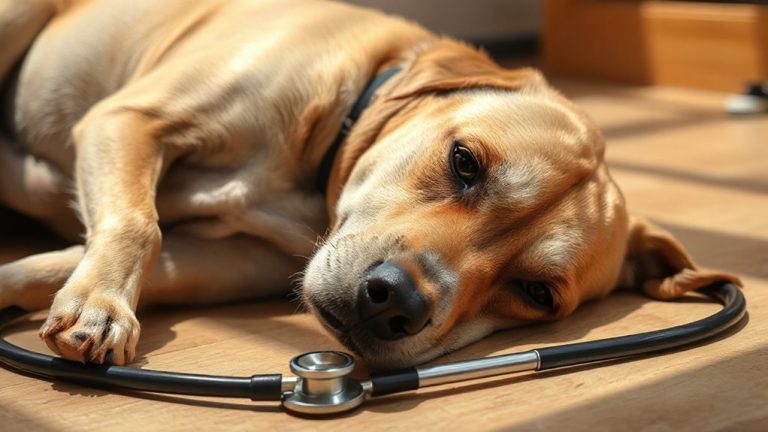
Why Senior Pets Need Biannual Wellness Exams Instead of Annual
Your senior pet ages faster biologically, making annual exams too infrequent for early disease detection. Biannual checkups allow veterinarians to monitor organ function with blood work, urinalysis, and physical assessments every six months. These visits catch subtle changes in kidney values, glucose levels, or joint mobility before symptoms worsen. Early identification of conditions like diabetes, arthritis, or dental disease improves treatment success. You’ll gain actionable insights into your pet’s health trajectory and what comes next.
Notable Insights
- Senior pets age faster, so biannual exams catch health issues earlier than annual visits.
- Diseases like kidney failure and diabetes progress quickly, requiring twice-yearly monitoring for early intervention.
- Subtle changes in weight, behavior, or lab values can signal illness before severe symptoms appear.
- Arthritis and dental disease are common in seniors and benefit from early detection and treatment.
- Biannual blood work and urinalysis establish baselines and track trends for long-term health management.
What Makes a Pet a Senior?
Most dogs and cats are considered seniors once they reach 7 to 10 years of age, though this varies greatly by breed and size. Age classification depends on species, breed, and metabolic rate. Small dog breeds often become seniors around 10 years, while large and giant breeds may reach this life stage as early as 5 to 6 years due to accelerated aging. Cats typically enter their senior life stage at 10 to 12 years. Physiological changes-such as decreased renal function, reduced metabolism, and joint deterioration-signal this shift. You must assess your pet’s individual biology, not just chronological age. Senior status isn’t uniform; it’s a functional designation based on health trends and species-specific benchmarks. Recognizing this life stage early allows timely interventions. Accurate age classification supports tailored preventive care. You’re not just tracking years-you’re monitoring biological shifts critical to long-term health management.
Why Every Six Months Matters for Senior Pet Checkups?
Because senior pets age faster biologically than younger animals, waiting a full year between exams can mean missing critical health changes. Every six months allows for early detection of conditions like kidney disease, diabetes, or arthritis. Your vet can identify subtle shifts in weight, lab values, or behavior before symptoms worsen. Early detection improves treatment outcomes and extends quality life. Preventive care-like biannual blood panels, urine tests, and physical assessments-helps monitor organ function and immune response. For example, serum creatinine levels above 1.5 mg/dL in cats may signal early renal decline. Catching this early allows dietary or medical intervention. Biannual exams include dental checks, joint mobility tests, and heart auscultation. These visits establish baseline metrics, making deviations easier to spot. Preventive care reduces emergency vet visits by up to 40%. Scheduling checkups every six months guarantees consistent health tracking. This frequency supports timely, data-driven medical decisions.
When Should Your Pet Start Biannual Wellness Exams?
When should your pet begin biannual wellness exams? Start when they enter their golden years-typically around age 7 for most dogs and cats. Larger dog breeds may need earlier screening, as they age faster and often show age-related issues by age 5. Biannual exams support early detection of chronic diseases like kidney insufficiency, diabetes, or arthritis. These visits include physical assessments, blood work baselines, urinalysis, and weight tracking every six months. Early detection improves treatment outcomes and prolongs quality life. Your vet may recommend thyroid testing, blood pressure monitoring, or dental evaluations as part of the protocol. Catching subtle changes-such as a 5% body weight loss or mild proteinuria-can signal underlying conditions before symptoms appear. Routine lab panels establish individual benchmarks. You’ll get data trends over time, guiding precise interventions. Don’t wait for signs. Preventive scheduling at six-month intervals maximizes clinical relevance and medical responsiveness during your pet’s later life stages.
Common Health Problems Found in Senior Pet Exams
Age-related changes often reveal themselves quietly, slipping past casual observation but caught early through biannual senior pet wellness exams. You’ll frequently discover arthritis, a degenerative joint disease affecting over 80% of pets over age ten. Early signs include reduced mobility and joint stiffness, often managed with NSAIDs, weight control, and chondroprotective agents like glucosamine. Arthritis management slows progression and improves comfort. Dental disease is equally common, with plaque accumulation leading to periodontitis in 70% of senior dogs and cats. Left untreated, it causes tooth loss and systemic infection. Veterinarians assess gingival index, periodontal probing depths, and calculus coverage during exams. Routine dental cleanings under anesthesia, scaling, and polishing reduce bacterial load. Radiographs detect subgingival lesions. Detecting these conditions early allows timely intervention, minimizing complications and extending functional healthspan. Your vet uses objective clinical metrics to guide treatment.
How Biannual Checkups Boost Your Pet’s Quality of Life
What if a simple twice-yearly visit could add both years and essential energy to your pet’s life? Biannual checkups catch subtle changes early, directly improving longevity and vitality. These visits monitor joint health through gait analysis and pain assessments, allowing timely interventions like NSAIDs or physical therapy. They also evaluate mental stimulation needs by tracking behavior patterns linked to cognitive decline. Regular exams guarantee effective management of age-related conditions before symptoms escalate.
| Factor | Exam Frequency Impact |
|---|---|
| Joint Health | Early arthritis detection increases treatment success by 40% |
| Mental Stimulation | Cognitive dysfunction identified 6–12 months sooner |
| Chronic Disease Management | Lab work every 6 months improves therapeutic accuracy by 35% |
Consistent evaluations support proactive care, maintaining mobility and mental sharpness. You’re not just adding time-you’re enhancing its quality.
What to Expect During a Senior Pet Wellness Visit
Why does a senior pet wellness visit matter now more than ever? Your pet’s body changes faster after age seven, requiring closer monitoring. The vet starts with a full physical exam, checking heart rate, respiratory function, and body condition score. They assess joint mobility by manipulating limbs for range of motion and signs of crepitus or pain-common in osteoarthritis. You’ll discuss any stiffness or difficulty rising. Dental health is evaluated using a periodontal probe to check for gingival recession, calculus buildup, and tooth resorption. Radiographs may follow if oral pain is suspected. Blood work includes a complete blood count and chemistry panel to detect early organ dysfunction. Urinalysis evaluates kidney concentration ability and screens for infection. Early detection of issues like chronic kidney disease or diabetes improves treatment outcomes. These biannual exams track subtle changes standard yearly visits might miss.
How to Prepare for Your Senior Pet’s Vet Appointment
Keeping your senior pet healthy starts before you even reach the clinic. Prepare a detailed log of changes in behavior, appetite, or mobility over the past six months. Bring a fresh fecal sample in a sealed, labeled bag-no older than 24 hours. List all current supplements and prescriptions for a complete medication review, including dosages and frequency. Note any adverse reactions or missed doses. Update your vet on shifts in senior nutrition, especially if you’ve changed food brands, introduced prescription diets, or noticed weight fluctuations exceeding 10% of body weight. Bring the actual food packaging to verify protein, fat, and fiber content against AAHA nutritional guidelines. Use a secure carrier or harness for safe transport. Guarantee identification tags and medical records are current. This data allows precise diagnostic comparisons and supports evidence-based adjustments to care plans during biannual evaluations.
On a final note
Your senior pet’s health changes rapidly. Biannual exams catch issues early. Vets monitor essential signs, organ function, and joint health. Blood work reveals kidney, liver, and thyroid levels. Urinalysis detects infections or diabetes. Dental exams prevent systemic disease. Early detection means better treatment outcomes. Wellness visits include weight, appetite, and behavior reviews. These exams prolong life. They maintain comfort. Six-month screenings are clinically proven to enhance longevity. Consistent monitoring aligns with veterinary guidelines for aging pets.