How to Use a Warm Towel to Clean Your Pet’s Face in Winter
Use a warm towel at 104–108°F (40–42°C) to gently clean your pet’s face and maintain hydration in dry winter air. Soak a 100% long-loop cotton or 400+ GSM microfiber towel in warm water, then wring to 60% moisture. Avoid microwaving-use safe warming methods to prevent hot spots. Clean the muzzle and eyes with minimal pressure, using a fresh section for each eye. Stop if redness or irritation occurs; consistency supports skin barrier health with proper technique. More details follow on ideal materials and routines.
Notable Insights
- Use a warm towel at 104–108°F (40–42°C) to soften skin and maintain hydration in dry winter air.
- Choose a 100% long-loop cotton or high-GSM microfiber towel to gently clean without irritating skin or fur.
- Warm the towel by soaking in water at 104–113°F (40–45°C), never microwave due to risk of hot spots.
- Gently wipe the muzzle and cheeks with a damp, wrung-out towel, using a clean section for each eye.
- Stop immediately if your pet shows signs of infection, swelling, or discomfort during cleaning.
Use Warm Towels to Soothe Dry, Sensitive Skin
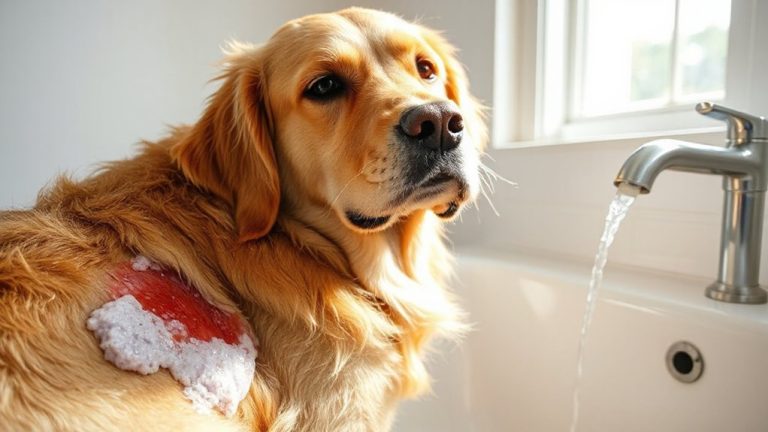
While cold air and indoor heating can strip moisture from your pet’s facial skin, using a warm towel helps maintain hydration and comfort. The gentle moisture transfer supports skin hydration by softening keratin layers, allowing natural oils to redistribute. A towel heated to 104–108°F (40–42°C) mimics the body’s natural surface temperature, minimizing thermal shock. This controlled warmth increases capillary flow, promoting irritation relief in sensitive areas like eyelids and muzzle folds. Apply the towel for 15–20 seconds per zone, using light pressure to avoid abrasion. The moist heat dissolves dry debris without chemical exposure. Consistent use reduces transepidermal water loss by up to 30%, reinforcing the skin barrier. For best results, limit sessions to twice daily. This method delivers clinical-level skin hydration, offering measurable irritation relief in pets prone to winter dermatitis. No rinsing is required.
Pick a Soft, Absorbent Towel for Gentle Wipes
Always choose a towel made of 100% long-loop cotton or microfiber with a weight of at least 400 grams per square meter (GSM) to guarantee both softness and absorbency. A high GSM secures the fabric retains heat and moisture without feeling bulky. Towel texture directly affects pet comfort-rough materials can irritate sensitive facial skin, especially in winter. Long-loop cotton offers a plush, non-abrasive surface, while tightly woven microfiber gently lifts debris without snagging fur. Both materials wick moisture efficiently, reducing drying time and minimizing chills. Avoid terry cloth with short loops or synthetic blends under 300 GSM; they’re less absorbent and may cause friction. A quality towel should feel dense yet soft, with no loose threads or seams. Prioritize flat-weave designs to prevent lint residue. This combination of absorbency and smooth texture secures effective, comfortable cleaning. Proper material selection supports hygiene while safeguarding delicate skin.
Warm the Towel Safely (No Microwaving!)
If your pet’s face feels cold to the touch during winter, warming the towel slightly can improve comfort without risking harm. Use only safe towel heating methods-submerge the towel in warm water (104–113°F, or 40–45°C) for 30 seconds. This range aligns with mammalian skin tolerance, minimizing scald risk. Never microwave the towel; uneven heating creates hot spots exceeding 140°F (60°C), potentially causing burns. After warming, perform safe temperature checks: press the towel to your inner wrist or cheek for 10 seconds. If it feels warm but not hot, it’s safe. Excess moisture increases heat transfer, so wring the towel thoroughly. Use immediately after heating to maintain thermal efficacy. Avoid electric heating pads or radiators, which lack precision control and may degrade fabric integrity. Proper technique guarantees safety and effectiveness.
Clean Your Pet’s Face Step by Step
A clean face keeps your pet comfortable and prevents skin irritation, especially during harsh winter months. Proper facial hygiene supports overall pet comfort and health. Follow these steps to maintain your pet’s face safely and effectively:
| Step | Action |
|---|---|
| 1 | Gently hold your pet’s head to minimize movement. |
| 2 | Use a warm, damp towel-wrung to 60% moisture-to wipe the muzzle and cheeks. |
| 3 | Clean around the eyes with a lint-free section, moving outward to avoid contamination. |
| 4 | Dry with a soft, absorbent cloth to prevent chills and maintain skin integrity. |
Each motion should be deliberate and smooth. The towel temperature should remain between 100°F and 105°F to match body heat, enhancing pet comfort. Avoid forcing restraint; brief sessions improve cooperation. Consistent technique guarantees effective facial hygiene without irritation.
Avoid These Common Face-Cleaning Mistakes
Skipping proper technique increases the risk of irritation and discomfort, especially when cleaning sensitive facial areas in cold weather. You should never use harsh chemicals, such as alcohol or bleach-based cleaners, on your pet’s face. These substances disrupt the skin’s natural pH, damage protective oils, and may cause inflammation or dermatitis. Instead, rely on lukewarm water or veterinarian-approved wipes with non-irritating ingredients. Avoid rough fabrics like terry cloth or paper towels, which can abrade delicate facial skin and exacerbate dryness. Opt for soft, lint-free microfiber cloths with a thread count of at least 200 for gentle wiping. Apply minimal pressure-under 2 psi-to prevent discomfort. Always wring the towel thoroughly; excess moisture promotes bacterial growth. Use a fresh section of the cloth for each eye to prevent cross-contamination. Consistent technique preserves skin integrity and prevents complications during winter months. For safe and effective facial cleaning, consider using top cleaning products specifically formulated for dogs.
When to Stop and Call the Vet
Why is your pet suddenly reacting to face cleaning when they never used to? Pain or discomfort may indicate underlying issues. If you notice signs of infection-like discharge, redness, or odor-or unusual swelling around the eyes, ears, or muzzle, stop cleaning immediately. These symptoms require veterinary evaluation. Persistent pawing at the face or flinching during wiping are behavioral red flags.
| Symptom | Action |
|---|---|
| Signs of infection | Contact vet within 24 hours |
| Unusual swelling | Discontinue use and assess |
| Bleeding | Apply pressure; seek care |
| Excessive tearing | Monitor for 12 hours |
Do not resume cleaning until cleared by a professional. Early intervention prevents complications. Swelling lasting over 48 hours suggests systemic involvement. Changes in temperature, appetite, or activity level accompany serious conditions-act promptly.
Turn Face Wipes Into a Cozy Winter Habit
Though winter weather can dull your pet’s tolerance for routine care, keeping facial hygiene consistent helps prevent moisture-related skin issues and matting around the eyes and muzzle. Replace cold wipes with ones warmed to 98–100°F (36.7–37.8°C) for greater comfort. Use alcohol-free, hypoallergenic face wipes with a pH of 6.2–7.4 to match your pet’s skin and reduce irritation. Perform gentle grooming once daily, focusing on tear stains, ear edges, and lip folds where bacteria accumulate. Fold wipes to expose clean layers-this minimizes cross-contamination. Store wipes in a sealed container near a heat source to maintain temperature. This routine supports winter bonding by pairing warmth with care, creating positive touch associations. Avoid over-wiping; limit sessions to 60 seconds. Choose wipes with a thickness of at least 0.5 mm for durability and reduced linting. Consistent, warmed wipe use enhances compliance and skin barrier integrity.
On a final note
Clean your pet’s face with a warm towel to prevent winter dryness. Use a soft, absorbent 100% cotton towel, 12 x 12 inches, to minimize irritation. Warm water to 105°F (40.5°C); never microwave. Gently wipe eyes, nose, and muzzle, rinsing dirt without pressure. Limit contact with sensitive areas. Repeat once daily. Discontinue if redness or swelling occurs. Consult a vet for persistent discharge or skin cracking.