The Role of Hydration in Preventing Constipation in Cats on High-Fiber Diets
High-fiber diets can worsen constipation in cats without enough water. Fiber absorbs moisture, increasing stool bulk but slowing motility if hydration is inadequate. Cats need 3–4 mL of water per kcal daily; dry food provides only 6–10% moisture, while wet food offers 70–80%. Without sufficient fluids, the colon dries out feces, causing hard stools. Pairing fiber with proper hydration maintains smooth passage-keeping digestion on track and gut function balanced-especially when soluble and insoluble fibers are in a 1:2 ratio. You’ll discover practical ways to optimize this balance next.
Notable Insights
- High-fiber diets require adequate hydration to prevent stool hardening and maintain intestinal motility.
- Wet food provides 70–80% moisture, helping cats meet hydration needs and reduce constipation risk.
- Insoluble fiber absorbs water; without sufficient intake, it can slow digesta passage and cause dry stools.
- Water fountains can increase cat hydration by up to 20%, supporting digestion on high-fiber diets.
- Ideal fiber balance (1:2 soluble to insoluble) works best when paired with consistent, sufficient water intake.
Why Constipation Happens on High-Fiber Cat Diets
While fiber can support digestive health in cats, too much of it may actually contribute to constipation rather than prevent it. A fiber imbalance disrupts normal intestinal motility, slowing the passage of digesta. This delay can lead to excessive water reabsorption in the colon, resulting in dry, hard stools. High insoluble fiber levels bind water and increase stool bulk, but without sufficient hydration, this exacerbates constipation. Additionally, excessive fiber interferes with nutrient absorption by reducing the digestibility of proteins, fats, and essential minerals. The fermentation of soluble fiber produces short-chain fatty acids, which support colonocytes, but oversupplying it alters gut pH and microbial balance. Diets with more than 10% crude fiber on a dry matter basis often exceed feline requirements. You should monitor fiber content closely, ensuring it supports digestion without impairing nutrient absorption or gastrointestinal transit.
How Dehydration Makes Cat Constipation Worse
Because water plays a critical role in digestive function, even mild dehydration can markedly worsen constipation in cats. Without enough fluid, your cat’s colon absorbs excess water from the feces, making stools hard and difficult to pass. This process is amplified on high-fiber diets, which rely on adequate hydration to maintain bulk and motility. Dehydration triggers fluid retention, reducing the free water available in the intestines. This retention impairs fiber’s ability to swell and soften waste. Concurrently, an electrolyte imbalance-especially low potassium or sodium-can disrupt neuromuscular signaling in the gut. These imbalances slow colonic contractions, decreasing peristalsis by up to 30% in affected cats. Reduced motility prolongs stool transit time, compounding constipation. Sustained dehydration also alters mucosal secretions, further drying intestinal contents. These combined effects create a cycle where constipation intensifies without intervention. Proper hydration helps prevent these physiological disruptions, supporting consistent, healthy bowel function.
Is Your Cat Under-Hydrated? Key Warning Signs
You may already know how dehydration slows digestion and hardens stool, but recognizing the signs early can stop constipation before it escalates. A dry coat is a visible indicator of poor hydration. Normally, a cat’s fur is smooth and resilient due to adequate sebum and moisture. When hydration drops, the coat loses elasticity and appears dull or flaky. Lethargic behavior accompanies this-your cat moves less, sleeps more, and shows reduced interest in play. These symptoms reflect diminished blood volume and lower cellular function. Check for skin tenting: gently lift the scruff. If it takes longer than two seconds to return to position, dehydration is likely. Mucous membranes may also be tacky instead of moist. Early detection allows non-invasive intervention. Monitor water intake; cats typically need 3–4 mL per kcal daily. Address changes promptly to support gastrointestinal motility and prevent complications in high-fiber diets.
Wet Food vs. Dry: Which Boosts Hydration More?
How much water is your cat really getting from their daily meals? Wet food provides up to 80% moisture, greatly boosting hydration. Dry food drawbacks include low moisture-only 10% or less-forcing cats to drink more water separately, which they often don’t. Relying on dry food can compromise fluid balance, especially on high-fiber diets that require more water to move through the digestive tract.
| Food Type | Moisture Content | Hydration Impact |
|---|---|---|
| Wet Food | 70–80% | High; supports kidney function and digestion |
| Dry Food | 6–10% | Low; increases dehydration risk |
| Mixed Diet | Varies | Moderate; depends on ratio |
Wet food benefits include promoting consistent urine dilution and reducing constipation risk. Its high water content mimics a cat’s natural prey-based diet, supporting ideal gastrointestinal transit without overreliance on external water sources. Some best wet dog food for picky eaters also offer high palatability and moisture, making them suitable options for picky feline companions transitioning to wet diets.
Easy Ways to Get Your Cat to Drink More Water
Cats often fail to drink enough water, especially when fed dry food with its minimal moisture content. You can increase your cat’s water intake by using water fountains, which provide continuous filtration and aeration, mimicking natural running water. Models like the Pioneer Pet Raindrop operate at less than 45 decibels and hold 1.3 gallons, encouraging consistent use. Water fountains increase daily consumption by up to 20% compared to bowls, according to clinical observations. Place multiple units in high-traffic areas to maximize accessibility. Another effective method is offering flavored ice, made by freezing low-sodium chicken broth in ice cube trays. As the ice melts, it releases taste enhancers without adding excess sodium. Rotate ice cubes every 12 hours to maintain freshness. These methods support hydration, essential for cats on high-fiber diets, reducing fecal dryness and minimizing constipation risks.
Soluble vs. Insoluble Fiber: What’s Best for Digestion?
Why do some fibers ease constipation while others seem to worsen it? The answer lies in the type of fiber and its effect on gut motility. Soluble fiber absorbs water, forming a gel that softens stool and supports consistent bowel movements. It’s especially helpful in high-fiber diets where hydration is ideal. Insoluble fiber adds bulk and speeds intestinal transit, but without enough water, it can worsen impaction. You need the right fiber balance to maximize digestive efficiency. Too much insoluble fiber without adequate moisture reduces gut motility and increases stool hardness. For cats, a mix of both fibers-typically 1:2 soluble to insoluble ratio-works best. This combination regulates fermentation, maintains colon health, and prevents dry, hard feces. Always pair fiber-rich foods with increased water intake.
When to See the Vet for Cat Constipation
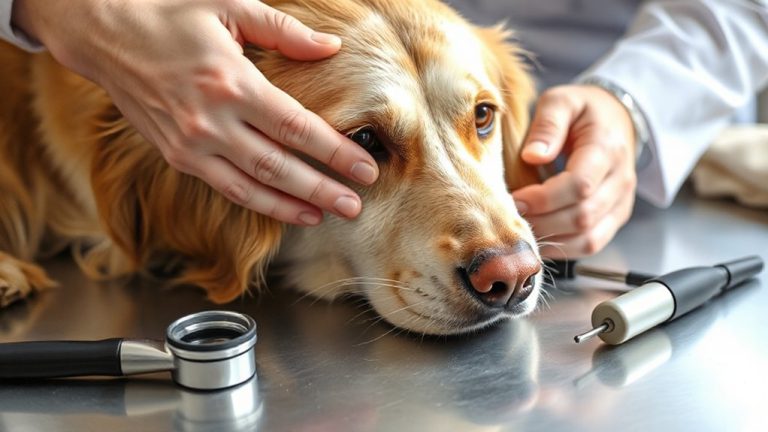
When should you stop managing your cat’s constipation at home and seek professional help? If your cat shows rectal bleeding, consult a veterinarian immediately-this symptom indicates possible tissue damage or severe impaction. Persistent straining without stool production for over 48 hours requires urgent evaluation. Lethargy concerns are critical; reduced activity often reflects systemic distress or dehydration. A cat’s normal resting heart rate ranges from 140–220 bpm-any significant deviation may signal complications. Body temperature above 102.5°F or below 100.5°F demands veterinary assessment. If your cat hasn’t passed stool in 72 hours despite dietary adjustments and hydration efforts, professional intervention is necessary. Vets may use abdominal palpation, radiographs, or enemas. Do not delay care. Prolonged constipation can lead to obstipation or megacolon. Early diagnosis improves outcomes.
On a final note
You must guarantee your cat stays well-hydrated on a high-fiber diet to prevent constipation. Fiber absorbs water, increasing stool bulk; without sufficient hydration, intestinal motility slows. Provide at least 60 ml of water per kg of body weight daily. Wet food supplies up to 80% moisture, versus 10% in dry kibble. Use water fountains or multiple clean bowls to encourage drinking. Monitor litter box habits closely-infrequent, hard stools signal concern.