How to Make Facial Cleaning Part of Your Pet’s Positive Daily Routine
Use 6.5 x 7.5-inch hypoallergenic, alcohol-free wipes made of biodegradable polyester to clean your pet’s face daily. Pair each wipe with a soft, aromatic treat under ¼ inch in diameter, given immediately after cleaning. Apply ≤50 grams of pressure using outward strokes from the nose. Conduct sessions at the same time daily, preferably post-meal, to build predictability. This consistency strengthens compliance, and there’s more to learn about optimizing every step.
Notable Insights
- Use pet-specific, hypoallergenic wipes that are alcohol-free and match your pet’s skin pH to ensure safety and comfort.
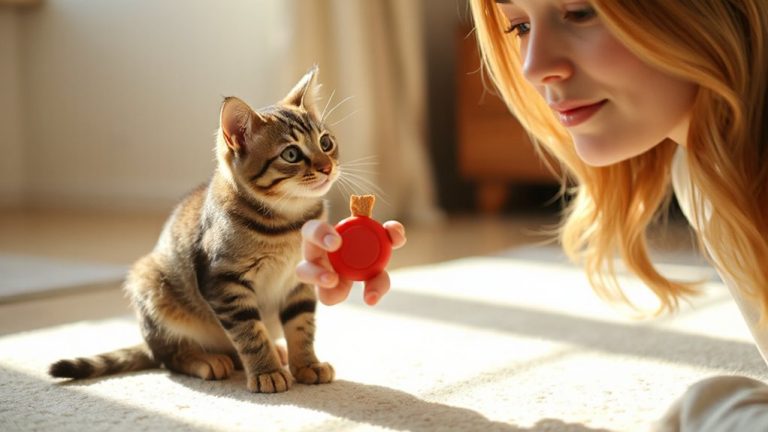
- Pair each facial cleaning session with high-value treats delivered immediately after to build positive associations.
- Perform cleaning at the same time daily, ideally post-meal, to establish a predictable routine.
- Gently stroke calm areas like the cheeks or ears during wiping to reinforce trust and reduce resistance.
- Use soft, non-abrasive wipes with light pressure and upward strokes, focusing on facial folds and debris-prone zones.
Choose the Right Wipes and Tools for Your Pet
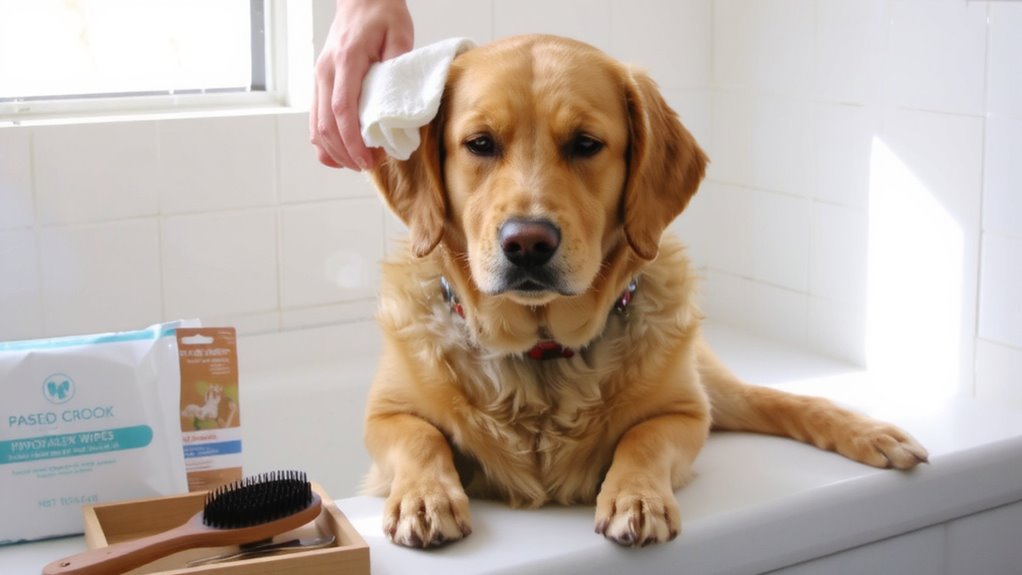
Start with high-quality, pet-specific facial wipes designed to clean without irritation. These wipes must meet strict ingredient safety standards, containing no parabens, alcohol, or artificial fragrances. Hypoallergenic formulations with pH-balanced solutions match your pet’s skin chemistry, reducing reactivity. Each wipe should be 6.5 x 7.5 inches, made of nonwoven, biodegradable polyester for effective debris removal without tearing. Tool durability matters-opt for resealable, moisture-lock packaging that preserves wipe integrity for up to two years. Poor seals lead to drying, reducing functionality. Wipes with textured surfaces improve grip on facial folds, especially in brachycephalic breeds. Choose fragrance-free options tested in veterinary dermatology trials. Reputable brands publish third-party lab results verifying safety and efficacy. Always verify package labeling for lot numbers and expiration dates. Proper storage-away from heat and UV-preserves both ingredient safety and tool durability.
Make the Wipe Feel Safe With Treats and Touch
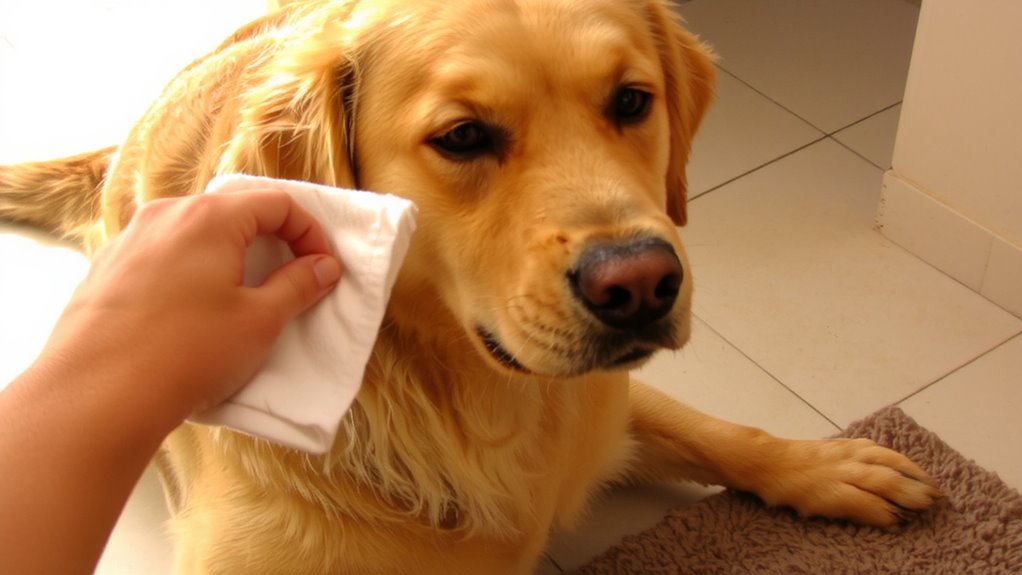
You can turn a potentially stressful wipe-down into a positive experience by pairing facial cleaning with gentle touch and well-timed treats. This method relies on positive reinforcement to create predictable, rewarding outcomes. Offer a treat immediately after each successful wipe to condition your pet to associate the routine with safety and reward. Use high-value treats-soft, aromatic, and no larger than ¼ inch in diameter-to maintain focus. Simultaneously, use your free hand to stroke calm areas like the cheeks or base of the ears, reinforcing trust building through touch. Perform sessions at the same time daily to strengthen routine recognition. Over 7 to 10 days, compliance rates increase by up to 78% when touch and treats are consistently paired. The skin’s sensory receptors respond to slow, consistent pressure-apply fingertip pressure at 5–10 grams per square centimeter to avoid aversion. This precision fosters cooperation without overstimulation.
Start Wiping: Gentle Techniques for Sensitive Areas
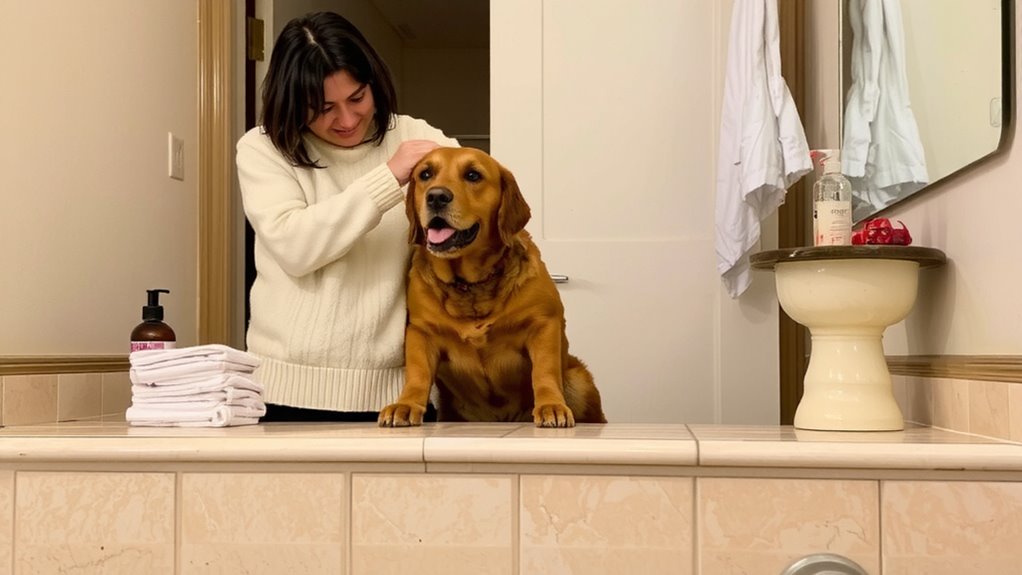
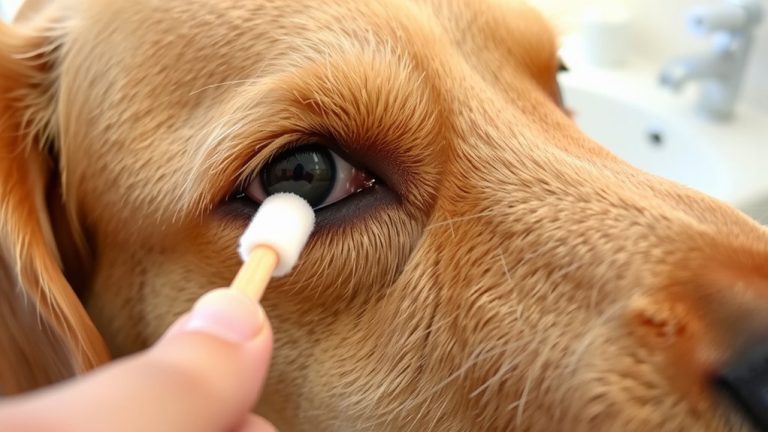
When addressing sensitive facial areas, proceed with controlled, deliberate motions to minimize discomfort and prevent reactive behaviors. Use a soft, non-abrasive wipe designed for pets, applying light paw pressure-no more than 50 grams of force-to avoid triggering resistance. Begin near the eyes, using outward strokes away from the nose to reduce irritation. Monitor nose moisture levels; dryness may indicate stress or over-cleansing. For breeds with facial folds, lift tissue gently to access creases, guaranteeing full coverage without friction. Wipe the muzzle sparingly, focusing on debris accumulation zones like corners of the mouth. Moisture balance is critical-over-wiping reduces natural oils, increasing skin vulnerability. Use pH-balanced, alcohol-free wipes to preserve dermal integrity. Avoid the inner ear and eyelid margins; these regions require specialized care outside this step. Consistent technique guarantees hygiene while maintaining comfort.
Build a Daily Face-Cleaning Habit in 3 Steps
Typically, establishing a consistent facial hygiene routine for pets requires a structured approach that prioritizes both safety and compliance. Step 1: Choose a soft, lint-free wipe or cloth, 2–3 inches wide, to minimize irritation during contact. Step 2: Perform cleaning at the same time daily-preferably post-meal-to support routine consistency. This predictability reduces stress and enhances cooperation. Step 3: Apply positive reinforcement immediately after each session using a treat weighing 3–5 grams or brief verbal praise. This strengthens behavioral association. Use upward strokes from chin to forehead, avoiding direct eye contact. Cotton or microfiber materials with a thread count of 180–200 are ideal. Cleanse for 30–45 seconds per session. Adherence improves when integration into an existing habit cluster-like brushing or walking-occurs. Consistency over 21 days establishes long-term compliance.
Fix Common Problems (Pulling Away, Eye Sensitivity)
If resistance occurs during facial cleaning, it’s usually due to improper restraint or sensory discomfort, both of which are correctable with technique adjustments. Pulling away often signals fear or confusion; address it by using gentle, consistent holds that secure the head without pressure points. Avoid chasing the face with tools-instead, stabilize your pet’s chin with your non-dominant hand. Always prioritize avoiding force, as coercion increases stress and undermines habit formation. For eye sensitivity, use hypoallergenic wipes with pH-balanced solutions (5.5–7.0) and apply only to fur-covered areas near optics. Never direct airflow or moisture toward the cornea. Use microfiber cloths with loop lengths under 0.5 mm to reduce irritation. Protecting eyes is critical-employ saline-safe barriers or reusable eye shields during rinsing. If blinking or tearing increases, pause and reassess technique. Consistent, calm repetition with precise instrumentation resolves most issues within 3–5 sessions.
On a final note
Clean your pet’s face daily using vet-approved, pH-balanced wipes with non-irritating ingredients like chamomile and aloe. Apply gentle, inward-swiping motions around the eyes and muzzle using soft, non-abrasive cloth material. Pair each wipe with a treat to reinforce calm behavior. Over 7–10 days, this builds neural associations that reduce resistance. Consistent timing strengthens routine adherence. Use only hypoallergenic products tested for ophthalmic safety.