Treating Chronic Kidney Failure in Dogs With Phosphorus Binders and Fluid Therapy
Your dog’s failing kidneys can’t excrete phosphorus, so levels rise above 6.5 mg/dL, triggering tissue damage. Phosphorus binders like aluminum hydroxide (50–150 mg/kg with meals) reduce absorption by binding dietary phosphorus in the gut. Fluid therapy, given 3–4 times weekly subcutaneously, improves kidney perfusion and toxin clearance. Together, they maintain serum phosphorus between 2.7–4.8 mg/dL and support electrolyte balance. This dual approach slows disease progression while preserving quality of life-key details on proper use and monitoring follow.
Notable Insights
- Phosphorus binders reduce intestinal absorption of phosphorus, helping control serum levels in dogs with chronic kidney failure.
- Common binders include calcium carbonate, aluminum hydroxide, and lanthanum carbonate, given with meals to maximize effectiveness.
- Fluid therapy improves kidney perfusion and toxin clearance, supporting renal function in dogs with CKD.
- Subcutaneous fluids are typically administered 3–4 times weekly to maintain hydration and electrolyte balance.
- Combining phosphorus binders and fluid therapy slows disease progression and enhances quality of life in affected dogs.
Why High Phosphorus Happens in Dogs With Kidney Failure
Although healthy kidneys easily filter excess phosphorus from the blood, when kidney function declines in dogs with chronic kidney failure, this essential process becomes impaired. You see a direct disruption in phosphorus metabolism as nephron loss reduces functional capacity. Normally, renal excretion regulates serum levels by eliminating about 70–80% of dietary phosphorus. But when glomerular filtration rate (GFR) drops below 35 mL/min/1.73 m², excretion lags. Phosphorus accumulates because residual nephrons can’t compensate fully. The tubules’ reabsorption threshold is exceeded, overwhelming limited excretory pathways. As a result, hyperphosphatemia develops progressively. Intestinal absorption continues unimpeded, worsening retention. You’ll observe serum phosphorus rise above baseline (normal: 2.7–5.8 mg/dL), often exceeding 6.5 mg/dL in stage 3–4 CKD. Without intervention, disrupted mineral balance persists. This pathophysiological cascade stems from inadequate renal excretion, central to impaired phosphorus metabolism. Monitoring and early management are critical to slowing progression.
How Phosphorus Harms Dogs With Kidney Disease
When phosphorus builds up in your dog’s bloodstream due to failing kidneys, it doesn’t just sit there harmlessly-it actively damages tissues and organs. This buildup leads to phosphorus toxicity, a condition that disrupts normal metabolic balance. Excess phosphorus binds with calcium, forming crystals that deposit in soft tissues. Over time, this causes organ calcification, especially in the kidneys, heart, and blood vessels. Calcification stiffens tissues, impairing function. In the kidneys, it accelerates scarring and reduces filtration capacity. Elevated phosphorus also suppresses active vitamin D production, weakening bones. Your dog may not show obvious signs at first, but microscopic damage is ongoing. Persistent high levels worsen prognosis and shorten survival time. Controlling phosphorus isn’t just supportive-it’s critical to slowing disease progression. Left untreated, phosphorus toxicity leads to systemic deterioration. Early intervention helps preserve remaining kidney function and improves quality of life.
How Phosphorus Binders Help Dogs With Kidney Failure
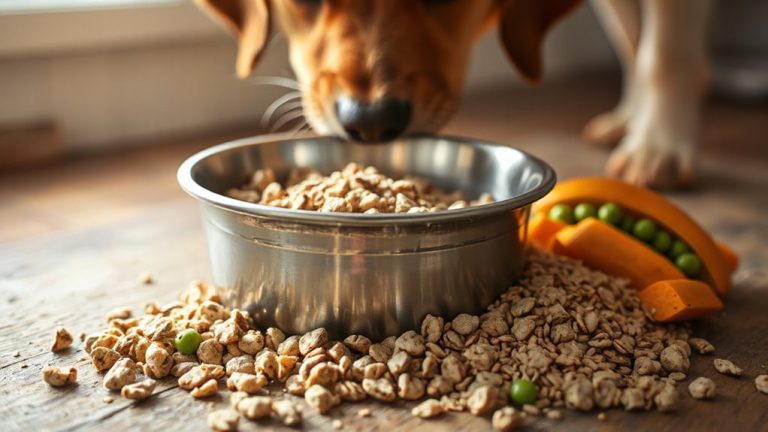
Because failing kidneys can’t properly excrete phosphorus, your dog’s blood levels rise-making phosphorus binders a key part of treatment. These medications bind dietary phosphorus in the intestines, reducing absorption. This action supports phosphorus regulation, which is critical in slowing kidney disease progression. Without intervention, elevated phosphorus disrupts calcium balance, increasing the risk of mineralization in soft tissues. Binders like calcium carbonate or aluminum hydroxide work best when given with meals, maximizing contact with ingested phosphorus. Typical dosing ranges from 500 to 3,000 mg daily, divided with food. Effectiveness is monitored via blood tests measuring serum phosphorus, ideally kept between 2.7 and 4.8 mg/dL. Consistent use helps maintain electrolyte stability. You’ll notice improved energy and appetite when levels stabilize. Phosphorus binders don’t cure kidney disease, but they do slow complications by preserving internal balance.
Choosing the Best Phosphorus Binder for Your Dog
How do you determine which phosphosrus binder suits your dog’s needs? Start by consulting your veterinarian to assess your dog’s bloodwork, especially serum phosphorus levels. Choosing brands matters-common options include aluminum hydroxide, calcium acetate, and lanthanum carbonate. Aluminum-based binders are effective but require monitoring due to potential accumulation. Calcium acetate efficiently binds phosphorus in the gut but may raise blood calcium levels if overused. Lanthanum carbonate has low systemic absorption, reducing side effects. Each product has specific dosing: aluminum hydroxide typically requires 50–150 mg/kg with meals. Watch for side effects like constipation, nausea, or reduced appetite. Some dogs respond better to one formulation over another. Consistency in administration with every meal guarantees maximum efficacy. Long-term safety and compliance should guide your final decision.
The Role of Fluid Therapy in Kidney Disease
Fluid therapy plays a central role in managing chronic kidney disease in dogs, working alongside dietary changes and medications like phosphorus binders to support kidney function. It helps maintain hydration, promotes toxin clearance, and stabilizes blood pressure. Proper fluid balance directly impacts urine concentration and electrolyte balance-both critical in kidney disease management. Dehydrated dogs often show poor urine concentration, worsening toxin buildup. Regular fluid support improves kidney perfusion and slows disease progression.
| Parameter | Target Range |
|---|---|
| Urine Specific Gravity | 1.008–1.030 |
| Serum Potassium | 3.5–5.0 mmol/L |
| Blood Urea Nitrogen | <60 mg/dL |
These values reflect improved electrolyte balance and kidney efficiency. Fluids help dilute metabolic waste and sustain glomerular filtration, reducing stress on nephrons. Consistent therapy supports cellular function and helps avoid dangerous imbalances. You’ll notice better energy and appetite when hydration and electrolyte balance are optimized.
How to Give Subcutaneous Fluids at Home
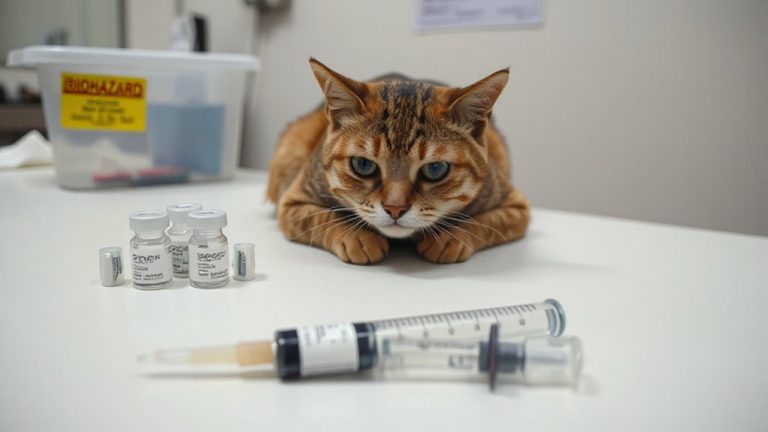
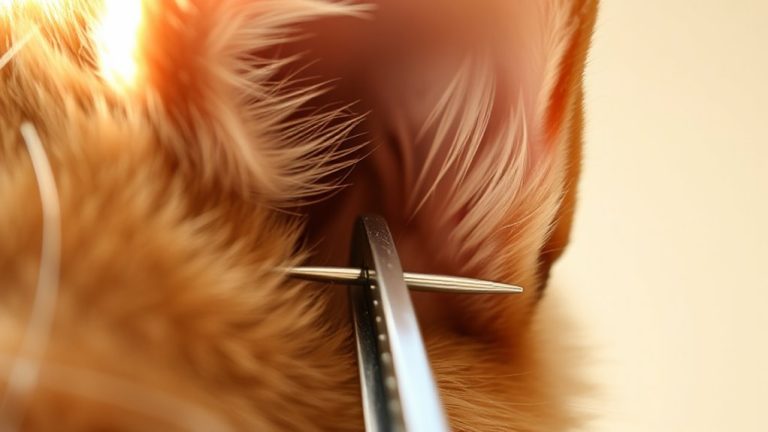
When your veterinarian recommends subcutaneous fluid therapy, it’s usually to help maintain hydration and support kidney function between clinic visits. You’ll administer fluids under your dog’s skin using sterile equipment. Start by hanging the fluid bag 18–24 inches above the dog to guarantee steady flow. Use a needle with an appropriate needle gauge-typically 18 to 22 gauge-based on your dog’s size and skin condition. Larger dogs often need a lower gauge (thicker) needle for faster delivery. Insert the needle gently into the loose skin between the shoulder blades. The fluids form a pocket that’s gradually absorbed. Fluid absorption occurs over several hours, depending on your dog’s hydration level and circulation. Monitor for swelling or discomfort. Always follow your vet’s prescribed volume and frequency to avoid complications. Practice proper hygiene to prevent infection.
How Binders and Fluids Work Together to Improve Your Dog’s Health
While subcutaneous fluids support hydration and kidney function, phosphate binders play a complementary role by reducing toxin buildup in your dog’s bloodstream. Together, they maintain electrolyte balance and enhance nutritional support. Fluids flush out waste, while binders prevent phosphorus absorption in the gut. This dual approach slows disease progression and improves quality of life.
| Function | Benefit |
|---|---|
| Fluid therapy | Increases urine output, dilutes blood toxins |
| Phosphate binders | Lower serum phosphorus, reduce uremic symptoms |
| Electrolyte balance | Prevents arrhythmias, supports nerve function |
| Nutritional support | Preserves muscle mass, boosts energy levels |
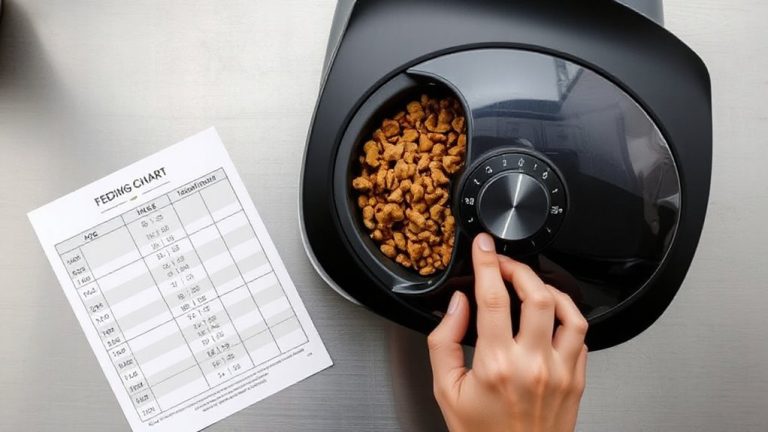
You administer binders with meals for maximum efficacy. Fluids are given 3–4 times weekly, as prescribed. Consistency guarantees stable kidney parameters. Regular blood tests monitor creatinine, BUN, and phosphorus levels. Combined, these therapies work synergistically-like a filter and a sponge-to keep your dog healthier longer.
On a final note
You manage chronic kidney failure in dogs by controlling phosphorus and maintaining hydration. Phosphorus binders like aluminum hydroxide or lanthanum carbonate reduce intestinal phosphate absorption-dose at 50–100 mg/kg with meals. Subcutaneous fluids, typically Lactated Ringer’s Solution, are delivered at 10–20 ml/kg daily to support renal perfusion. Together, they slow disease progression and improve quality of life. Consistent administration is critical.