Understanding Feline Cognitive Dysfunction in Aging Cats and Environmental Enrichment
Feline cognitive dysfunction affects over half of cats aged 15 and older, causing memory loss, confusion, and disrupted sleep due to beta-amyloid plaques in the hippocampus. You can support brain health with environmental enrichment like sensory stimulation and structured play. Use puzzle toys such as the Trixie Flip Board (15.7″ x 7.9″) with movable caps to encourage problem-solving. Rotate scents and toys every 48 hours to maintain novelty. Install nightlights (3–5 lumens) and non-slip flooring for safety. Consistent routines and prey-mimicking wand sessions boost dopamine. Further strategies for long-term cognitive support follow.
Notable Insights
- Feline Cognitive Dysfunction is a progressive condition similar to Alzheimer’s, affecting over 50% of cats aged 15 and older.
- Early signs include memory lapses, confusion, nighttime vocalization, and disrupted sleep-wake cycles.
- Environmental enrichment supports brain health through sensory stimulation, social interaction, and neuroplasticity.
- Puzzle toys like Outward Hound Hide-A-Squirrel and Trixie Flip Board provide cognitive challenges suitable for low-mobility cats.
- Home modifications such as non-slip flooring, nightlights, and consistent layouts reduce stress and improve safety.
What Is Feline Cognitive Dysfunction?
Feline cognitive dysfunction (FCD) is a progressive neurological condition affecting older cats, similar in many ways to Alzheimer’s disease in humans. You’ll notice memory decline as one of the core symptoms, with affected cats often forgetting familiar routes or the location of their litter box. Behavioral changes are common and include disorientation, altered sleep cycles, and reduced interaction. Neuropathological studies show beta-amyloid plaques accumulating in the brain, particularly in the cortex and hippocampus, regions linked to learning and memory. These deposits disrupt neuronal function, leading to synaptic degeneration. FCD prevalence increases markedly after age 10, with over 50% of cats aged 15 or older exhibiting clinical signs. Diagnosis is based on excluding other conditions and evaluating behavioral criteria. There’s no cure, but management focuses on improving quality of life. Early recognition helps you implement supportive strategies promptly, potentially slowing symptom progression through environmental and medical interventions.
Early Signs of Dementia in Senior Cats
How do you know when your older cat might be slipping into cognitive decline? Watch for subtle memory lapses, such as forgetting litter box location or feeding spots. These omissions are not occasional accidents but repeated behaviors over weeks. Confusion episodes manifest as staring at walls, getting stuck in corners, or disorientation in familiar rooms. Your cat may vocalize at night, indicating disrupted circadian rhythms common in feline cognitive dysfunction (FCD). Changes in social interaction-avoiding family or excessive clinginess-also signal neural decline. Sleep-wake cycle disturbances occur in 40–80% of affected cats, per veterinary studies. Early detection hinges on tracking these behavioral shifts systematically. Note the frequency, duration, and context of each incident. While aging naturally slows cognition, persistent memory lapses and recurrent confusion episodes warrant veterinary assessment. Diagnostic exclusion of metabolic diseases, such as kidney or thyroid disorders, is required before confirming cognitive decline. Incorporating a cat health monitor can provide continuous insight into behavioral patterns critical for early diagnosis.
How Enrichment Helps Senior Cat Brains
While cognitive aging is inevitable, environmental enrichment can substantially slow neural decline in senior cats. Sensory stimulation and social interaction promote neuroplasticity, improving cognitive reserve. Daily engagement strengthens synaptic connections, delaying dysfunction onset.
| Stimulus Type | Neural Impact |
|---|---|
| Auditory cues | Enhances auditory processing |
| Scent rotation | Activates olfactory cortex |
| Visual tracking | Stimulates visual pathway neurons |
| Tactile surfaces | Increases somatosensory input |
| Interactive play | Boosts dopamine and social bonding |
Enrichment routines should occur twice daily for 15–20 minutes. Social interaction with humans or companion cats elevates oxytocin, reducing stress-related cortisol. Multimodal stimulation-especially novel scent diffusion and sound-based games-improves hippocampal function. Consistent exposure yields measurable behavioral improvements in orientation and memory tasks. You can expect observable gains in attention span and reduced disorientation within 6–8 weeks.
Best Puzzle Toys for Aging Cats
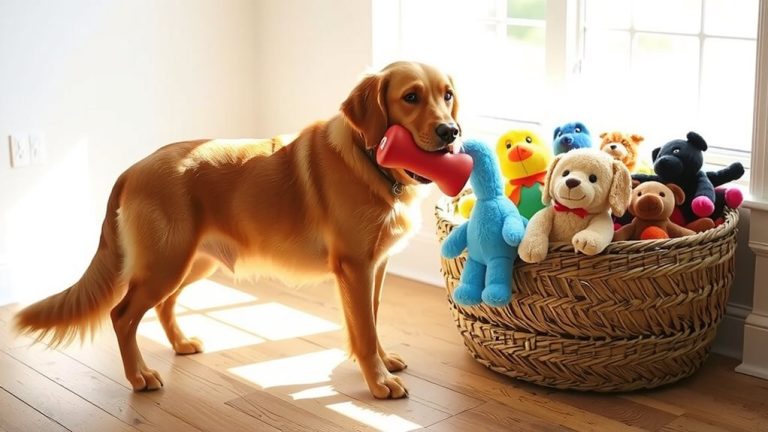
When choosing puzzle toys for aging cats, prioritize designs that balance cognitive challenge with physical accessibility. Memory games improve mental acuity by requiring cats to recall food placement, reinforcing neural pathways. Toys like the Outward Hound Hide-A-Squirrel offer adjustable difficulty, with soft, removable plush squirrels (measuring 3.5″ each) that provide tactile and auditory sensory stimulation. The Trixie Activity Flip Board uses sliding lids and movable caps (dimensions: 15.7″ x 7.9″) to encourage problem-solving while minimizing joint strain. For low-mobility cats, the Nina Ottosson Buggin’ Out puzzle features shallow compartments and non-slip rubber feet for stability. Its level-1 complexity guarantees success without frustration. Rotating puzzle types weekly sustains engagement and promotes consistent sensory stimulation. Durable, dishwasher-safe materials guarantee hygiene and longevity. These features support sustained cognitive engagement, making them ideal tools for senior cat mental maintenance. Best Dog Puzzle Toys can offer inspiration for selecting durable and stimulating designs adaptable for feline use.
Cat-Proof Your Home for Cognitive Health
Since cognitive health in aging cats relies heavily on environmental stability and safety, modifying your home to reduce confusion and prevent injury is essential. Secure loose cables, block off small spaces, and install baby gates to restrict access to stairs or hazardous areas. Designate quiet, accessible areas as safe spaces-low-sided litter boxes should be within 6 feet of resting areas, and non-slip flooring reduces fall risks. Maintain consistent furniture placement to support spatial memory. Incorporate sensory stimulation through rotating textured mats, auditory devices with nature sounds (50–60 dB), and vertical spaces like cat shelves at 24–36 inches high. Use nightlights (3–5 lumens) to aid dim-light vision. Avoid strong scents or sudden layout changes, as these disrupt spatial recognition. These adjustments reduce disorientation, minimize stress-related behaviors, and support neurocognitive function by maintaining predictable environmental cues essential for senior cat well-being.
Daily Habits That Boost Senior Cat Brain Function
How can you actively support your senior cat’s cognitive health every day? Engage your cat in daily memory games to reinforce neural pathways and slow cognitive decline. Simple food puzzle toys requiring manipulation to release kibble increase problem-solving engagement and improve recall. Rotate toys every 48 hours to maintain novelty and maximize sensory stimulation. Introduce new scratching surfaces, textured mats, and scented objects like silver vine or catnip to activate olfactory receptors linked to memory retention. Use auditory cues-consistent clicking sounds paired with treats-to condition responses and support learning. Provide structured play sessions lasting 15 minutes twice daily using wand toys that mimic prey movement, enhancing visual tracking and coordination. Maintain a consistent schedule to reduce anxiety and support circadian regulation. These habits promote neuroplasticity, essential for aging feline brains. Combined, memory games and sensory stimulation form a non-pharmacological foundation for sustaining cognitive function.
On a final note
You now understand feline cognitive dysfunction and its early markers, like disorientation or sleep cycle changes. Environmental enrichment slows neural decline. Use puzzle feeders with adjustable difficulty, such as the Outward Hound Nina Ottosson line (measuring 9.5″ x 9.5″ x 1.5″; dishwasher-safe; supports 3–5 treat releases per session). Maintain daily routines, provide vertical spaces, and guarantee litter box accessibility to reduce stress and support cognitive health.