Identifying and Managing Food-Triggered IBS in Sensitive Dogs
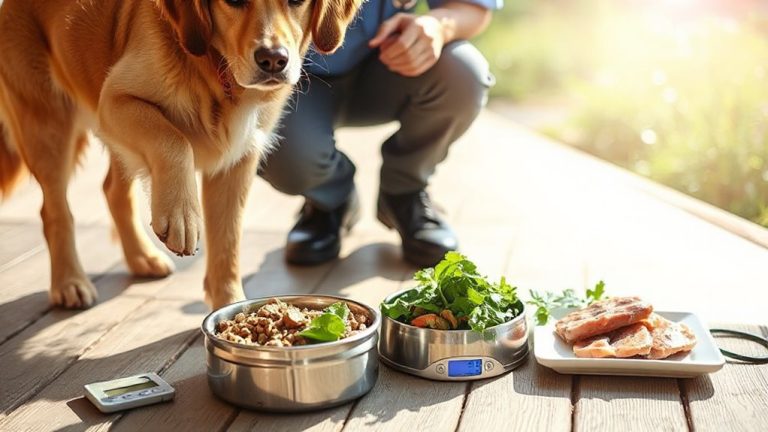
If your dog paces, squats, or shows discomfort within 30–60 minutes after eating, it may signal food-triggered IBS. Common culprits include wheat, dairy, soy, and processed meats with preservatives like BHA. Use limited-ingredient diets with novel proteins-such as venison or duck-and include soluble fiber like psyllium (2–4% dry matter). Guarantee food has ≥87% digestibility to minimize residue. Track symptoms daily using the Bristol Stool Scale, aiming for Type 4. Consistent feeding times and gradual shifts over 7–10 days help stabilize gut function. Long-term success depends on precise dietary control and ongoing observation. Further details reveal even more effective strategies.
Notable Insights
- Watch for restlessness, panting, or squatting within 30–60 minutes after meals as signs of post-eating abdominal pain.
- Eliminate common triggers like wheat, dairy, soy, corn, and artificial additives to reduce fermentation and inflammation.
- Use limited-ingredient diets with novel or hydrolyzed proteins such as venison or duck to minimize immune reactions.
- Incorporate soluble fiber like psyllium (2–4% dry matter) to regulate bowel movements and support gut motility.
- Track symptoms daily using a food journal and the Bristol Stool Scale to identify patterns and assess dietary responses.
Does Your Dog Have IBS? Key Signs After Eating
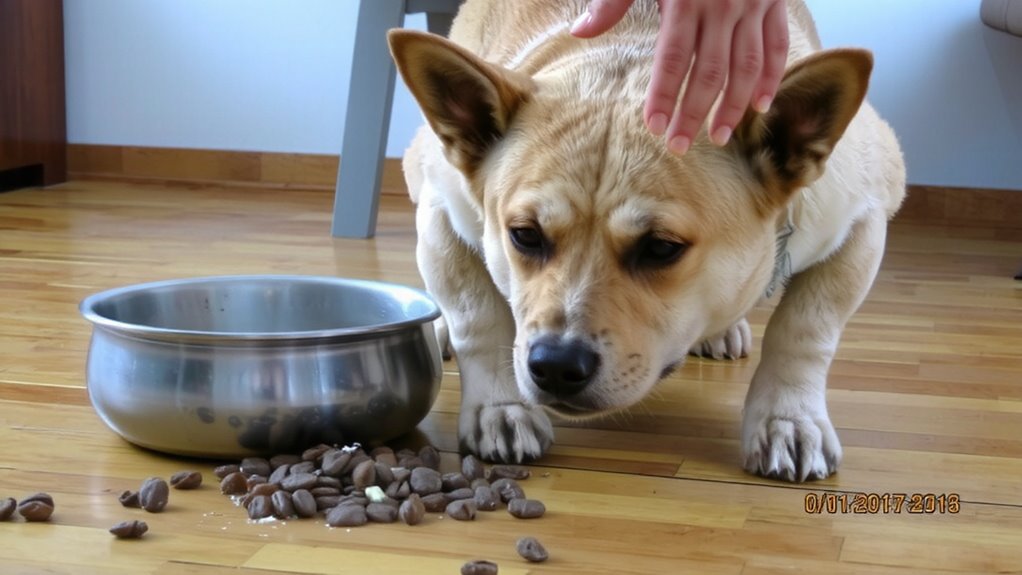
Have you noticed your dog pacing, whining, or suddenly squatting within 30 to 60 minutes after a meal? These behaviors may signal abdominal pain linked to food-triggered irritable bowel syndrome (IBS). Dogs with IBS often experience gas buildup due to fermentation of poorly digested nutrients in the colon. This gas accumulation increases intestinal pressure, contributing to discomfort and distension. Abdominal pain manifests as restlessness, panting, or a hunched posture. Unlike simple indigestion, these symptoms recur consistently post-meal. The timeframe-30 to 60 minutes-aligns with gastric emptying and intestinal transit in canines, which averages 45 minutes. Persistent signs during this window suggest a systemic digestive issue. Gas buildup can be confirmed by abdominal auscultation or radiography. Accurate observation of timing, frequency, and clinical behavior is essential for diagnosis. Document episodes for veterinary review. A reliable way to manage accidents during potty training is using high-absorbency puppy training pads.
Top Foods That Trigger IBS in Dogs
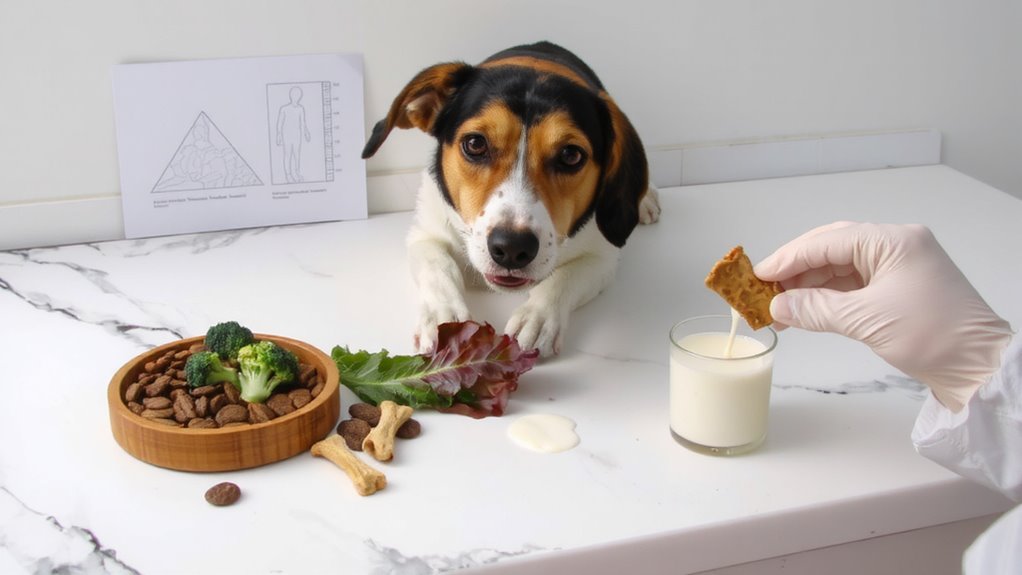
Certain ingredients lurk in common dog foods that can provoke intestinal turmoil in sensitive canines. Food allergies and ingredient sensitivity are primary culprits in triggering IBS symptoms. Common triggers include wheat, dairy, soy, and corn-frequent fillers in commercial kibble. These carbohydrates resist full digestion, fermenting in the colon and producing gas, bloating, and discomfort. Animal proteins like beef and chicken, while nutritious, often provoke immune responses linked to food allergies. Processed meats high in sulfites and preservatives exacerbate gut inflammation. Artificial additives-specifically BHA, BHT, and ethoxyquin-increase oxidative stress in the intestinal lining. Even some “healthy” ingredients like legumes (peas, lentils) can disrupt gut motility due to high fiber and lectin content. Each dog reacts uniquely; however, elimination diets confirm ingredient sensitivity. Monitoring stool consistency and frequency after dietary changes provides measurable data. Avoiding known triggers reduces flare-ups and supports long-term digestive health.
Best IBS-Friendly Dog Foods and Ingredients
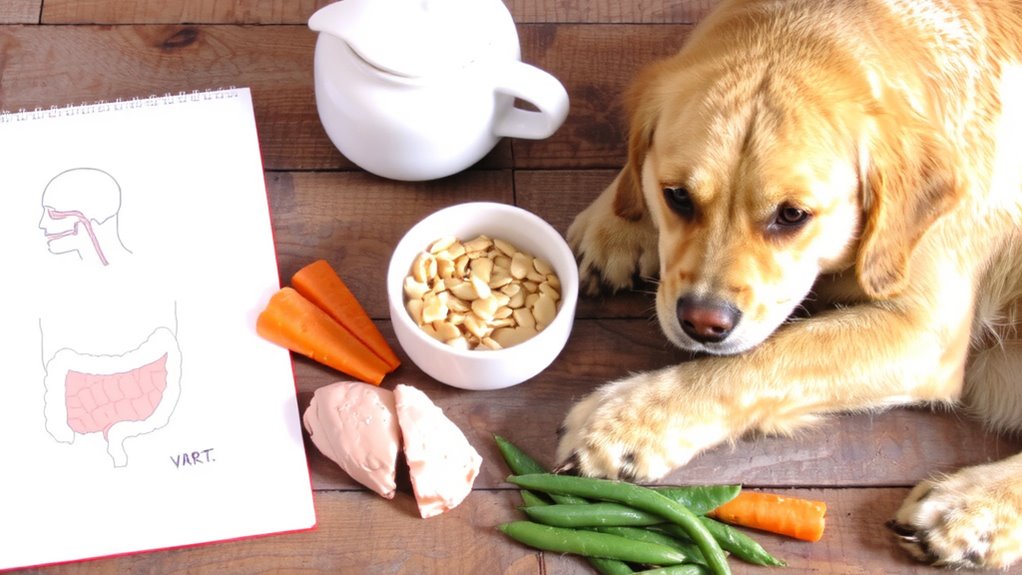
A limited-ingredient diet forms the foundation of managing food-triggered IBS in dogs. These formulas contain minimal components to reduce the risk of adverse reactions. Limited ingredients mean fewer potential allergens, making it easier to identify sensitivities. Choose diets with hydrolyzed proteins or novel proteins like venison, duck, or kangaroo-ingredients your dog hasn’t encountered before. Novel proteins help bypass immune recognition, lowering inflammatory responses. Look for grain-free or low-residue carbohydrates such as sweet potato or pea fiber, which support digestion without irritating the gut. Opt for foods with soluble fiber (e.g., psyllium) at 2–4% dry matter to normalize stool consistency. High digestibility (≥87%) guarantees maximum nutrient absorption and minimal fecal bulk. Avoid artificial additives, fillers, and common allergens like beef, dairy, or wheat. Commercial options like Purina Pro Plan Veterinary Diets HA or Royal Canin Hypoallergenic meet these specifications and are clinically tested for gastrointestinal sensitivity. For reliable options, consider best hydrolyzed dog food formulations recommended by veterinarians.
How to Monitor Your Dog’s IBS Response
Once you’ve selected an appropriate IBS-friendly diet, tracking your dog’s response becomes the next step in effective management. Start daily symptom tracking to detect patterns in bowel movements, gas, and discomfort. Note stool consistency using the Bristol Stool Scale (Types 1–7), aiming for Type 4-smooth, sausage-like stools. A food journal is essential: record meals, treats, feeding times, and any environmental stress游戏副本ors. Log entries every 24 hours for accuracy. Track for at least 6–8 weeks, as food-triggered reactions may take days to manifest. Use a digital app or notebook with date and time stamps. Sudden stool changes (loose, mucus-coated, or frequent defecation) indicate poor tolerance. Gradual improvement suggests dietary efficacy. Symptom tracking helps isolate triggers without guesswork. Never skip entries-consistency maintains reliable data. Adjustments rely on objective logs, not assumptions.
Prevent IBS Flare-Ups With the Right Diet Plan
Preventing IBS flare-ups in dogs hinges on implementing a diet designed to minimize intestinal irritation while supporting consistent digestive function. You should choose a highly digestible, limited-ingredient formula to reduce the risk of grain sensitivity, which can exacerbate gastrointestinal inflammation. Look for diets with documented hydrolyzed proteins or novel protein sources like venison or duck. Fiber balance is critical-aim for 2–4% crude fiber on a dry matter basis. Soluble fiber, such as psyllium or beet pulp, helps regulate fermentation and stool consistency. Avoid abrupt dietary changes; shift over 7–10 days to maintain gut microbiome stability. Commercial diets labeled “low-residue” or “veterinary therapeutic” often contain optimized nutrient profiles. Monitor stool scores weekly using a standardized scale (e.g., 1–7 Purina Fecal Scoring System). Consistency in feeding times and portion control further supports intestinal regularity. Selecting one of the best limited ingredient dog foods can simplify the transition to a hypoallergenic, easily digestible diet.
On a final note
You can manage food-triggered IBS in sensitive dogs. Choose limited-ingredient diets with hydrolyzed proteins or novel sources like venison. Use fiber blends with 2–4% beet pulp or FOS to regulate stool. Monitor symptoms for 8–12 weeks during elimination trials. Avoid common triggers: dairy, wheat, soy, and high-fat ingredients. Rotate only vet-approved foods. Maintain consistency-sudden changes disrupt gut microbiota stability.