How to Handle a Pet That Resists Anal Gland Expression
Your pet resists anal gland expression due to pain from inflamed or impacted glands, which heightens sensitivity in the 4 and 8 o’clock perianal regions. Start desensitization with 10–15 seconds of daily hindquarter touching, progressing over 2–4 weeks to light fingertip pressure. Use high-fiber food (4–6% crude fiber) and pumpkin supplementation to maintain firm stools. Express glands with a controlled C-shaped motion, but skip if you notice redness, swelling, or pus-seek veterinary care instead. Persistent resistance may reveal underlying issues best managed professionally.
Notable Insights
- Gradually desensitize pets by starting with light hindquarter touches and pairing them with treats over 1–2 weeks.
- Progressively increase touch duration and apply gentle pressure near gland sites without direct contact.
- Use calm body language, slow movements, and a soft voice to minimize stress during handling.
- Seek veterinary help if signs of infection, pain, or abnormal discharge are present.
- Support natural gland expression with a high-fiber diet, adequate hydration, and regular exercise.
Why Pets Resist Anal Gland Expression
While some pets tolerate anal gland expression, many resist due to discomfort or prior negative experiences. Your pet’s resistance often stems from acute pain sensitivity in the perianal region, where the anal glands are located just inside the anus at the 4 and 8 o’clock positions. Pressure on inflamed or impacted glands causes sharp discomfort, triggering a fear response. This reflexive reaction can include vocalization, struggling, or even biting. Nociceptors-pain-detecting nerve endings-in the area become hyperactive when glands are diseased, amplifying discomfort. Repeated painful encounters condition your pet to anticipate harm, reinforcing avoidance behaviors. Fear response is further exacerbated by restraint, unfamiliar scents, or quick movements during handling. These physiological and behavioral factors are measurable: elevated heart rate, increased cortisol levels, and fixed gaze indicate stress. Understanding these mechanisms helps explain why cooperation drops when pain sensitivity and fear response interact.
Desensitize Your Pet to Gland Handling
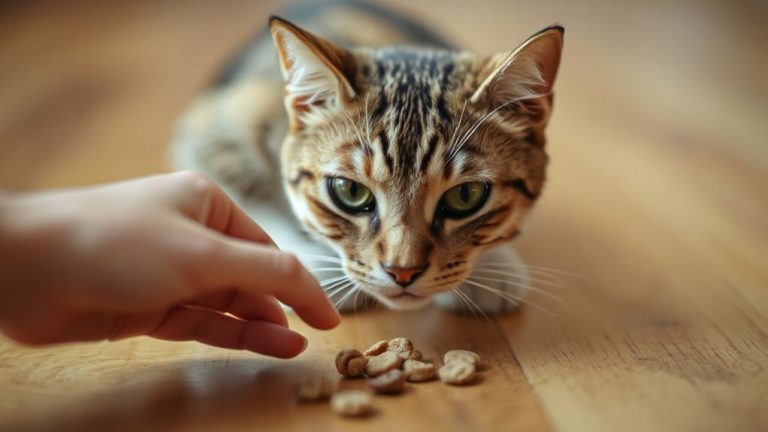
How do you begin turning resistance into cooperation? Start with gradual exposure to the anal gland area using light, non-invasive touch. Begin by gently handling your pet’s hindquarters daily for 10–15 seconds, increasing duration over 1–2 weeks. Pair each touch with positive reinforcement, such as a small treat or soft praise, to create a favorable association. Use consistent pressure-start with one finger near, but not on, the gland at 4–5 o’clock and 7–8 o’clock positions. Avoid forcing contact. Over time, progress to light fingertip pressure over the gland capsule at the skin surface, maintaining your pet’s comfort. Desensitization typically takes 2–4 weeks, but may extend based on individual temperament. This method increases compliance by reducing fear-based responses through predictable, safe interactions. Patience and consistency improve long-term success.
Stay Calm: and Keep Your Pet Calm During Expression
Always remain composed during anal gland expression, as your pet will pick up on your energy. Your body language directly influences their stress levels. Stand relaxed, avoid sudden movements, and maintain even breathing. Tense muscles or rushed actions signal danger, increasing resistance. Use a gentle touch to reinforce calm. Begin with light fingertip pressure near the anal area to acclimate the pet before applying targeted pressure at the 4 and 8 o’clock positions. Apply steady, inward pressure in a C-shaped motion with your thumb and forefinger. Most glands release with 1–2 psi of pressure; excessive force risks tissue damage. Keep your voice low and consistent. A calm, predictable rhythm enhances cooperation. Maintain eye contact without staring. Your controlled presence reassures the animal. Consistent gentle touch and relaxed body language improve procedural success rates by reducing fear-based reflexes. Incorporating anxiety-reducing pet accessories can further help keep your pet calm during this sensitive process.
When to Get Help From a Pro
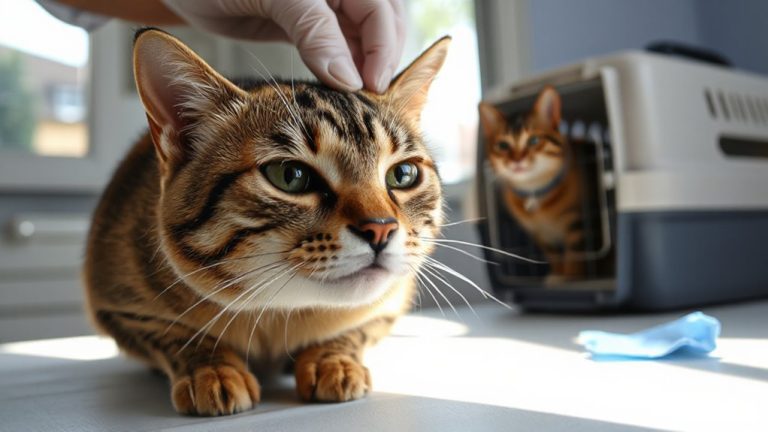
You can manage anal gland expression at home if your pet stays calm and the glands release with minimal pressure. However, seek professional help if you notice signs of infection, such as redness, swelling, pus, or persistent foul odor. These symptoms indicate possible abscess or impaction requiring immediate veterinary intervention. Your pet may also exhibit pain during defecation or excessive licking, which warrants a professional assessment. Vets use gloved fingers and controlled pressure at the 4 o’clock and 8 o’clock positions near the anus to evaluate gland consistency. If fluid is thick, bloody, or absent, blockage is likely. Chronic issues may require digital palpation or ultrasound for accurate diagnosis. Only trained professionals should handle ruptured or severely impacted glands. Delaying care risks systemic infection. Early professional assessment prevents complications and guides appropriate treatment, including antibiotics or surgical options if necessary.
Prevent Future Resistance With Routine Care
A consistent care routine can reduce anal gland issues in as little as 4 to 6 weeks. Start with diet management: feed your pet a high-fiber diet containing at least 4–6% crude fiber to encourage firm stools that naturally express the glands. Moisture-rich foods or added pumpkin (1–2 tablespoons daily for medium dogs) support colon health. Small breed dogs need this more due to narrower ducts. Pair diet with regular exercise routines-30 to 60 minutes daily of brisk walking or play-to stimulate bowel motility. Physical activity increases intra-abdominal pressure, aiding natural expression. Monitor stool consistency; stools should be firm but not hard, rating 2–3 on the Bristol Stool Chart. Overweight pets are at higher risk due to reduced pelvic muscle tone. Weigh your pet monthly and adjust caloric intake accordingly. Routine vet checkups every 3–6 months help track progress and catch early signs of impaction.
On a final note
You can manage anal gland expression resistance with consistent training and calm handling. Desensitize your pet using gradual touch and positive reinforcement. Perform expression only when necessary-typically every 3–6 weeks, depending on breed and diet. Use gentle pressure at the 4 and 8 o’clock positions around the anus. If your pet shows aggression or discomfort, seek veterinary assistance immediately. Routine care reduces complications.