The Risks of Feeding Table Scraps to Pets With Preexisting Digestive Conditions
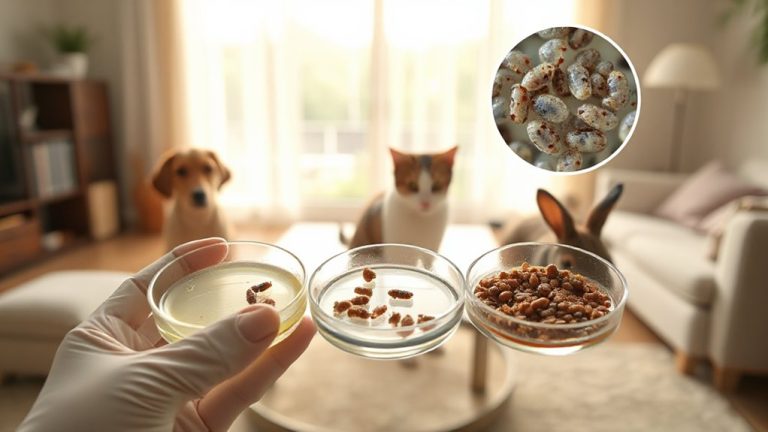
Feeding table scraps risks severe digestive flare-ups if your pet has pancreatitis or IBS. Human food often exceeds 15% fat-overwhelming compromised digestion. Fatty meals trigger pancreatitis; seasonings like onion damage red blood cells at 0.5% of body weight. Dairy, chocolate, and grapes worsen inflammation or cause toxicity. Unpredictable nutrient levels disrupt gut stability. Even small portions alter motility and microbiome balance. Clinical signs include vomiting, hunched posture, and diarrhea with mucus. Immediate vet care improves outcomes for toxins like xylitol. Safer options exist. You’ll discover which common foods pose the greatest danger and how to make better choices.
Notable Insights
- Table scraps high in fat can trigger pancreatitis in pets with sensitive or compromised digestive systems.
- Seasonings like onions and garlic in human food can destroy red blood cells and cause toxicity.
- Fatty meats and dairy worsen malabsorption and promote inflammation in pets with existing digestive disorders.
- Unregulated nutrient content in scraps disrupts gut motility and microbiome balance, especially in IBS.
- Toxic foods such as grapes, chocolate, and high-salt items can cause acute digestive and systemic reactions.
Why Table Scraps Are Dangerous for Pets With Sensitive Stomachs
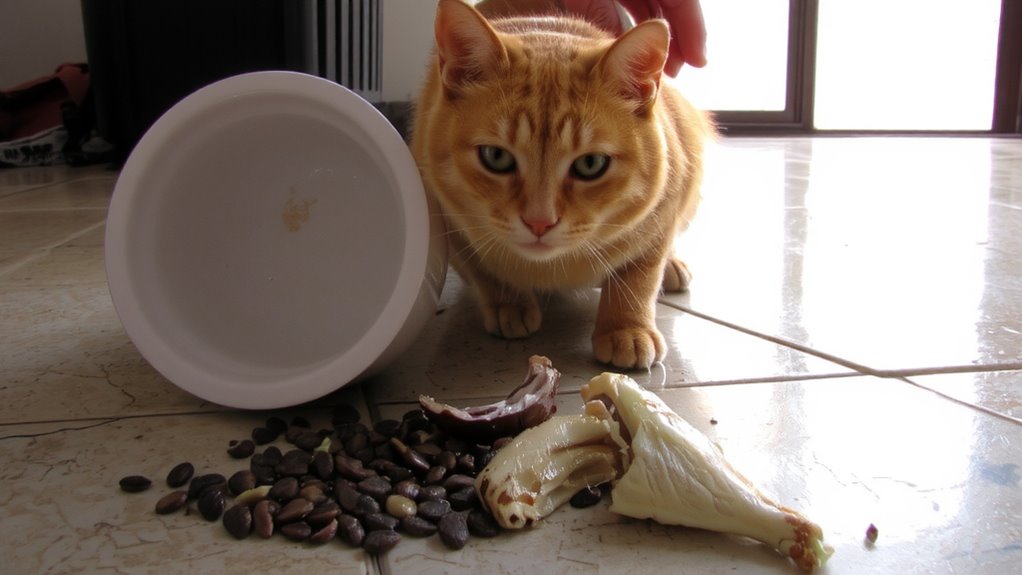
While your pet might beg for a bite of your dinner, feeding table scraps can severely disrupt their digestive system, especially if they already have a sensitive stomach. High fat content in human food triggers pancreatitis in susceptible animals. A diet exceeding 15% fat can overwhelm a dog’s digestive capacity, leading to vomiting and diarrhea. Cats show similar intolerance. Seasoning toxicity is another critical concern. Ingredients like onions, garlic, and excessive salt damage red blood cells and strain kidneys. Even small amounts-0.5% of body weight in seasoned meat-can cause clinical signs. Pets lack enzymes to metabolize many spices, resulting in gastrointestinal inflammation. Unlike commercial pet foods, table scraps offer inconsistent nutrient profiles. They bypass controlled formulation, introducing unpredictable variables. You’re compromising digestive stability for a momentary reward. Stick to veterinarian-approved diets. They’re designed with precise fat levels and zero toxic seasonings. Your pet’s gut depends on it.
Top 10 Human Foods That Worsen Pet Digestive Conditions
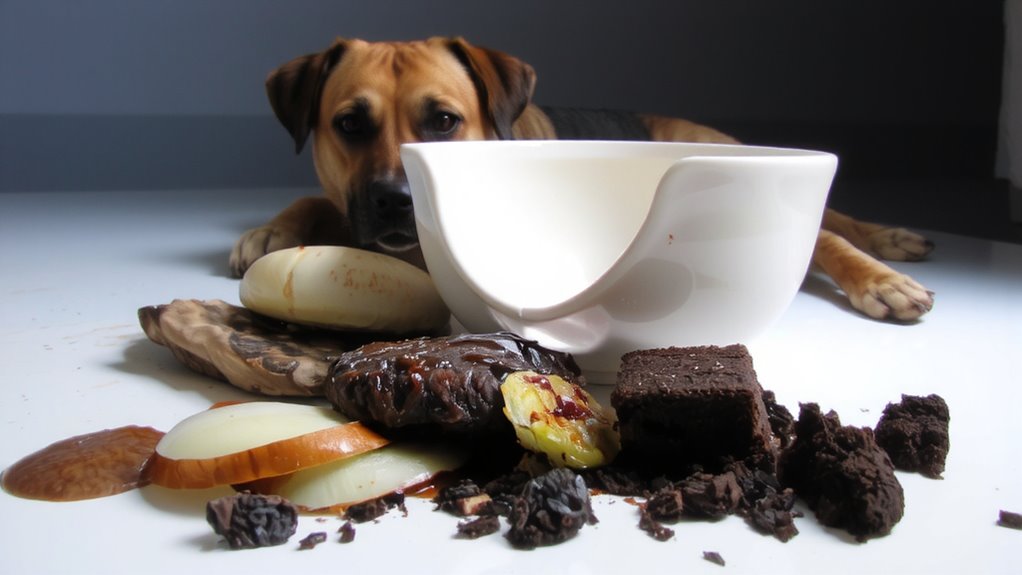
Because your pet’s digestive system isn’t equipped to process many human foods, giving even small portions can intensify existing gastrointestinal issues. Dairy products, for example, contain lactose that most adult pets can’t digest, promoting gut inflammation. Fatty meats trigger bile overproduction, worsening malabsorption. Chocolate carries methylxanthines, which disrupt intestinal motility. Grapes and raisins induce nephrotoxicity and have been linked to acute digestive distress. High-salt foods alter gastrointestinal osmolarity, causing fluid retention and discomfort. Spices like onions and garlic damage red blood cells and irritate the GI tract. Sugary treats shift gut microbiota balance, encouraging pathogenic bacterial overgrowth. Artificial sweeteners such as xylitol provoke insulin spikes and liver stress. Acidic citrus fruits reduce gastric pH beyond normal limits. These items often cause food allergies, manifesting as chronic diarrhea or vomiting. Avoid them completely to protect your pet’s digestive integrity.
How Table Scraps Make IBS and Pancreatitis Worse
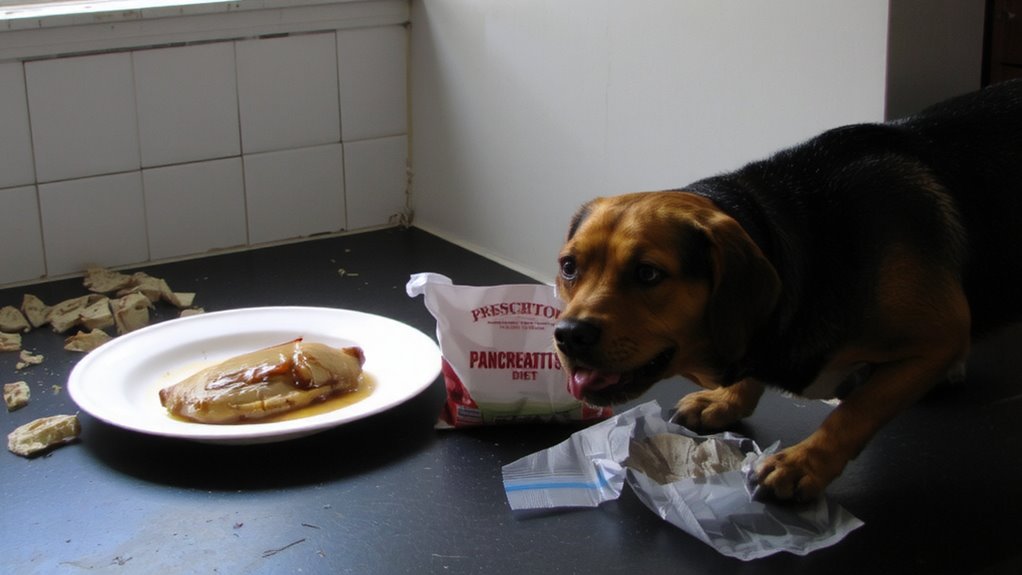
When your pet has irritable bowel syndrome (IBS) or pancreatitis, even small amounts of table scraps can disrupt delicate digestive processes. The high fat content in human foods stresses an inflamed pancreas, triggering painful flare-ups. Normal pancreatic enzyme release becomes erratic, worsening digestion. For pets with IBS, food unpredictability interferes with gut motility and microbiome stability. Table scraps vary in composition, making it impossible to maintain the consistent diet these conditions require. Sudden fat intake above 15% of caloric intake can overwhelm compromised systems. Commercial therapeutic diets are formulated with precisely controlled fat levels-often below 10% on a dry matter basis-to prevent exacerbation. Your pet’s digestive tract relies on predictability. Introducing scraps creates osmotic imbalances and increases intestinal permeability. This promotes inflammation. Stick to veterinarian-approved diets. Consistency isn’t just helpful-it’s medically necessary for managing chronic gastrointestinal disease.
Signs Your Pet Is Having a Reaction to Table Food
How can you tell if your pet is reacting badly to table food? Watch for abdominal pain, which often appears as restlessness, pacing, or a hunched posture. Your pet may whine or resist being touched around the belly due to visceral discomfort. Vomiting episodes are another red flag, especially if they occur within hours after consuming scraps. These aren’t isolated incidents-they may repeat in quick succession and contain bile or undigested food. Diarrhea frequently accompanies these symptoms, sometimes with mucus or blood. You might also notice reduced appetite or sudden lethargy, indicating systemic distress. Pets with preexisting digestive conditions react more severely due to compromised gastrointestinal regulation. Elevated heart rate and mild dehydration can follow within hours. These signs signal acute digestive disruption, not just mild upset. Immediate observation is critical-do not assume symptoms will resolve on their own.
What to Do Immediately After Your Pet Eats a Toxic Scrap
If your pet ingests a toxic table scrap, every minute counts. Initiate an emergency response immediately. Remove any remaining food from reach. Check your pet’s airway, breathing, and pulse-ensure they’re stable. Do not induce vomiting unless instructed. Some substances, like grapes or xylitol, require fast intervention to prevent liver failure or hypoglycemia. Call your veterinarian or an animal poison control center. Provide exact details: scrap type, quantity ingested, time of exposure, and your pet’s weight. A veterinary consultation is critical-teletriage can determine if in-person care is needed. Bloodwork, intravenous fluids, or activated charcoal may be administered based on toxin type. Delay reduces treatment efficacy. Use a carrier or secure harness to transport your pet safely. Time directly impacts prognosis. Swift action improves survival rates markedly. Record all symptoms for clinical accuracy.
Pet-Safe Snacks That Won’t Trigger Digestive Flare-Ups
For pets managing digestive conditions like inflammatory bowel disease or exocrine pancreatic insufficiency, selecting appropriate snacks is critical to avoiding symptom exacerbation. Digestive safe treats must be low in fat, free of spices, and easily digestible. You can rely on vet-approved commercial options or prepare Homemade meals with controlled ingredients. Simple proteins like boiled chicken breast or steamed turkey are gentle on sensitive systems. Always avoid lactose, artificial additives, and high-fiber foods unless prescribed. A well-chosen diet can complement best high-fiber dog foods when managed under veterinary guidance.
| Snack Type | Recommended Serving Size |
|---|---|
| Boiled Chicken | 1 oz for every 20 lbs |
| Cooked Sweet Potato | 1 tbsp for every 10 lbs |
| Low-fat Cottage Cheese | 1 tsp for every 15 lbs |
| Vet-formulated Treats | Follow label guidelines |
Homemade meals offer full ingredient control. Choose bland, hypoallergenic components. Digestive safe treats support nutrient absorption without overstimulating the gut.
How to Train Pets to Skip Table Scraps Happily
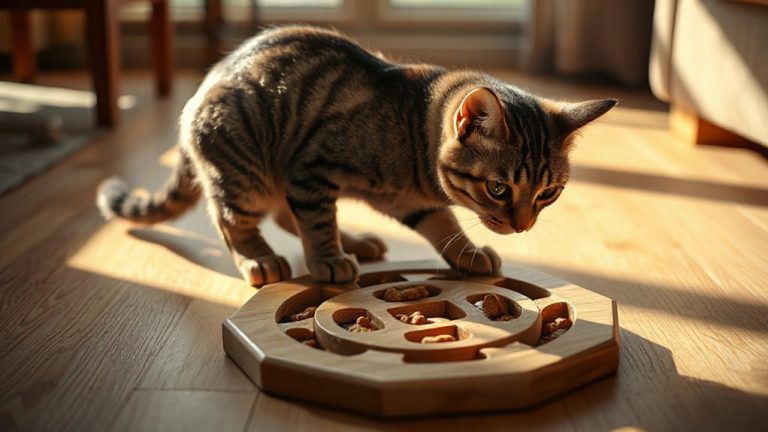
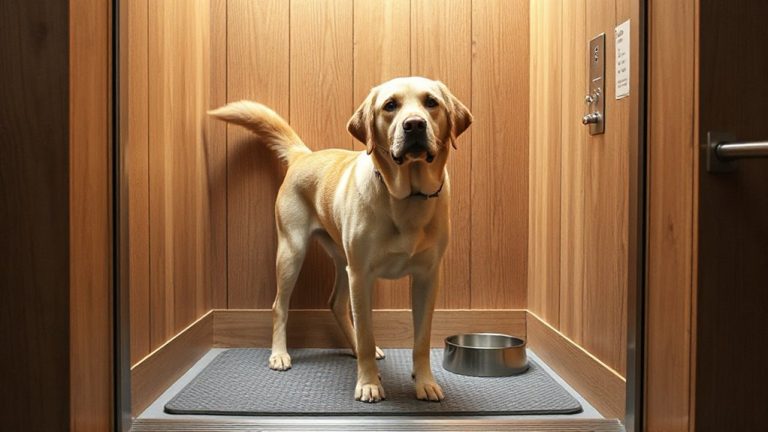
Why do pets fixate on table scraps despite the risks? Their instincts drive them to seek high-calorie, aromatic foods, but you can redirect this behavior. Use positive reinforcement by rewarding your pet with healthy treats when they ignore human food. For example, give a 10-calorie dental chew when they sit instead of begging. Consistent boundaries are critical-never feed from the table, even once. This prevents confusion and reinforces training. Designate a feeding zone away from the dining area, measured at least 6 feet from the table. Train for 10–15 minutes daily using a 0.5-second clicker response delay. Monitor compliance with a log, recording 95%+ success over 30 days for full reliability. Replace scraps with puzzle feeders that dispense kibble slowly, mimicking the reward cycle without digestive risks.
On a final note
You must avoid giving table scraps to pets with digestive conditions. Human food alters gut motility and increases luminal osmolarity, worsening symptoms. High-fat items elevate pancreatic enzyme concentrations, triggering flare-ups in pancreatitis. Even small portions-just 10–15 grams-can disrupt gastrointestinal homeostasis. Instead, use veterinarian-approved treats with defined fiber ratios (e.g., 3:1 soluble to insoluble). Monitor for vomiting or diarrhea, which indicate acute intolerance. Prevention maintains long-term GI health.