How to Clean Your Pet’s Face After a Rainy Walk
Use a pH-balanced, pet-safe cleanser between 6.2 and 7.5 with natural ingredients like aloe vera or chamomile. Wipe your pet’s face with a clean microfiber cloth using gentle, sweeping motions from forehead to muzzle. Replace cloth sections frequently to avoid cross-contamination. Clean eyes with saline, ears with pH 6.5 wipes, and muzzle with hypoallergenic cleanser. Dry with an ultra-fine fiber towel-pat, don’t rub. You’ll learn the full routine for stubborn grime and signs of irritation next.
Notable Insights
- Use a pet-safe, pH-balanced cleanser to gently wipe your pet’s face after a rainy walk.
- Clean with a microfiber cloth using light, sweeping motions from forehead to muzzle.
- Wipe each facial zone with a fresh section of the cloth to prevent spreading contaminants.
- Pay special attention to eyes, ears, and muzzle, using saline or vet-approved hypoallergenic cleansers.
- Pat the face dry with a soft towel, avoiding rubbing, and skip heat tools to protect sensitive skin.
Choose Your Pet-Safe Cleaning Supplies
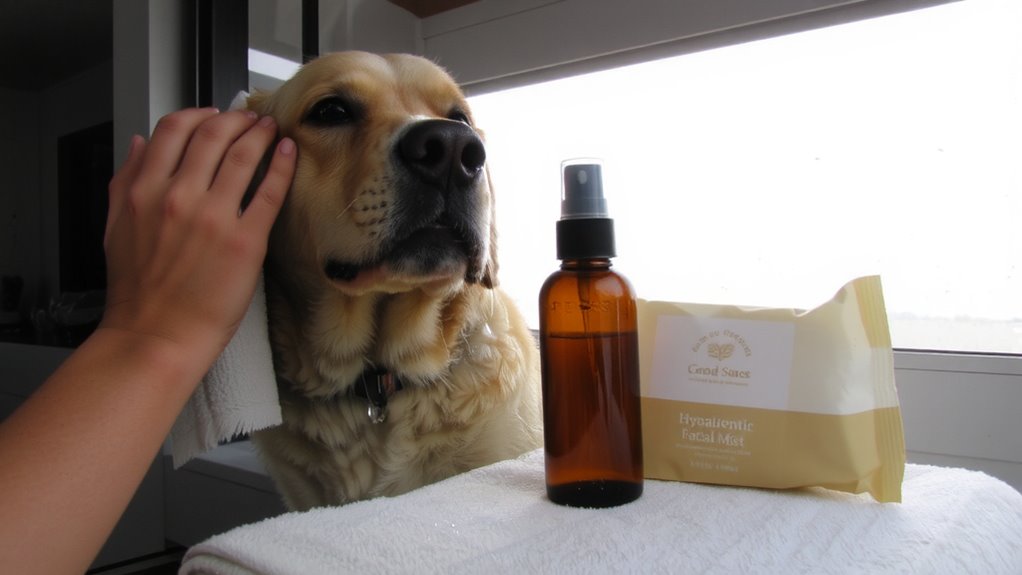
Start by selecting cleaning products specifically formulated for pets, as human wipes or cleansers may disrupt your pet’s skin pH and cause irritation. Choose products with certified pet safe ingredients to prevent allergic reactions or dermatological issues. Look for natural cleansers like aloe vera, chamomile, or coconut-derived surfactants, which effectively lift dirt without stripping essential oils. Products should have a pH between 6.2 and 7.5, matching most pets’ skin barriers. Avoid alcohol, parabens, and synthetic fragrances-these increase risk of dryness or inflammation. Prefer wipes with nonwoven polyester-cellulose blends for ideal texture and absorbency. Each wipe should contain at least 80% purified water and be saturated enough to clean without dripping. Independent dermatological testing should confirm safety for repeated use. Always check labels for USDA BioPreferred or EPA Safer Choice certifications. These standards verify ingredient sourcing and environmental safety. Using correct supplies guarantees effective hygiene without compromising skin health. For outdoor cleanups, consider pairing your routine with reliable dog poop bags to maintain overall pet hygiene.
Wipe Your Pet’s Face After Rain: Step by Step
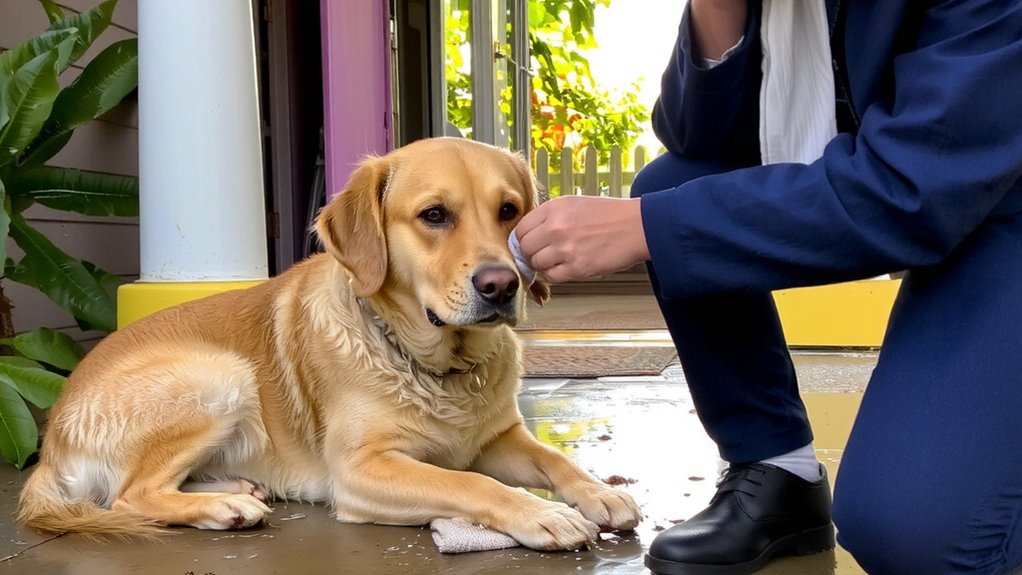
After returning from a rainy walk, it’s essential to clean your pet’s face promptly to remove contaminants trapped in wet fur. Begin by securing your pet in a well-lit, quiet area to minimize stress. Gently wipe the face using a clean, absorbent microfiber cloth-its tightly woven fibers lift dirt without irritation. Apply light, sweeping motions from forehead to muzzle, avoiding sensitive areas. Weather effects like dampness prolong exposure to pollutants, increasing skin irritation risk. Monitor pet behavior; restlessness may signal discomfort. Use a separate section of the cloth for each facial zone to prevent cross-contamination. For long-haired breeds, part fur with blunt-tipped scissors to expose skin. Repeat wiping until the cloth shows no residue-typically 2–3 passes. This method guarantees effective decontamination while preserving natural skin pH. Immediate post-walk cleaning reduces long-term dermatological issues linked to prolonged moisture exposure.
Clean Eyes, Ears, and Muzzle Without Stress
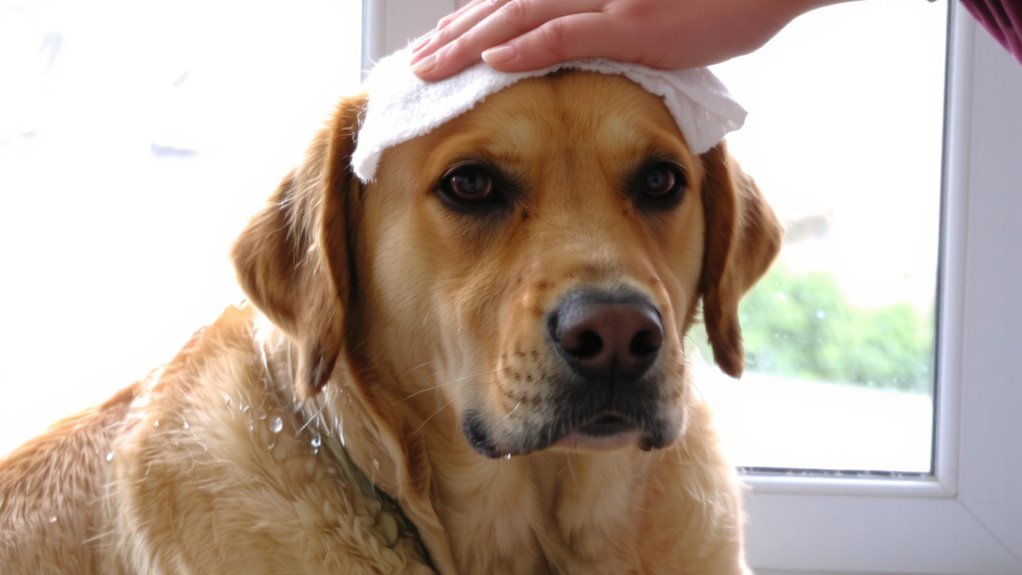
Why risk irritation when cleaning your pet’s sensitive facial zones? Proper facial hygiene prevents infections and supports overall health. Use a soft, microfiber cloth dampened with saline solution for eyes, pH-balanced ear wipes for ears, and a vet-approved muzzle cleanser for the nose area. Stress reduction begins with gentle handling-never insert anything into the ear canal. For eyes, wipe from inner to outer corner to avoid spreading debris. Limit session time to under two minutes to minimize anxiety. Consistent technique builds familiarity, reducing resistance over time.
| Zone | Tool | Frequency |
|---|---|---|
| Eyes | Saline, microfiber | Daily |
| Ears | pH 6.5 ear wipe | Weekly |
| Muzzle | Hypoallergenic wipe | After each walk |
| Technique | Gentle outward motion | Consistent |
| Goal | Infection prevention | Stress reduction |
Remove Mud and Debris Gently
You’ve already addressed your pet’s sensitive facial zones with care, guaranteeing eyes, ears, and muzzle remain irritation-free using properly vetted tools and methods. Now, focus on removing surface mud and debris without abrasion. Use a soft microfiber cloth dampened with lukewarm water to loosen dirt. Gently wipe along the grain of the fur to minimize skin friction. For facial stains caused by prolonged moisture exposure, avoid harsh scrubbing; instead, apply a vet-approved enzymatic cleanser with a pH of 5.5 to 7.0. Work the solution in circular motions using a cotton pad. Inspect creases around the muzzle and under the eyes thoroughly. Remove any embedded twigs or plant material with blunt-tipped tweezers, gripping close to the skin to prevent breakage. Always pull in the direction of hair growth. Guarantee no residue or foreign objects remain before proceeding. For quick cleanups after walks, consider using dog-specific paw wipes to maintain hygiene between baths.
Dry Gently and Calm Irritated Skin
While residual moisture can trap irritants against your pet’s skin, proper drying protects delicate facial tissues. Use a clean, absorbent microfiber towel with 80% moisture-wicking efficiency to gently pat-never rub-the facial area. Excessive friction can compromise the skin barrier, increasing sensitivity. For facial soothing, select towels with ultra-fine fibers (<1 denier) to minimize abrasion. Maintain ideal moisture balance by drying until the coat feels slightly damp, not bone-dry, to prevent stripping natural oils. If irritation is present, apply a vet-approved hypoallergenic balm with ceramides and pH 5.5–6.2 to restore lipid integrity. Avoid heat tools; air temperature above 35°C may worsen inflammation. Limit drying time to 90 seconds per zone to reduce stress. Proper technique supports epidermal health, reduces pruritus risk, and preserves the stratum corneum’s structural resilience.
Soften Crust or Grime the Right Way
When crust or grime accumulates on your pet’s face, start by softening it with minimal disruption to the skin barrier. Apply facial steam using a warm, damp cloth held 2–3 inches from the face for up to 5 minutes; this loosens debris without scalding. Limit exposure to prevent moisture saturation, which compromises epidermal integrity. After steaming, use natural exfoliants like colloidal oatmeal or aloe vera pulp to gently lift residue. These agents contain saponins and polysaccharides that dissolve organic buildup while maintaining pH balance near 6.5–7.0, matching most pets’ skin. Avoid scrubbing; instead, use circular fingertip motions for 10–15 seconds per zone. Rinse with lukewarm water at 98–100°F. Pat dry immediately. This protocol guarantees effective debridement while reducing transepidermal water loss. Always test products on a small area first.
When to See a Vet After Rain Exposure
How soon should you act if your pet shows signs after a rainy walk? Immediately. Prolonged rain exposure can trigger hypothermia symptoms, especially in small or thin-coated breeds. Watch for uncontrollable shivering, lethargy, shallow breathing, and cold extremities-core body temperature below 95°F indicates medical urgency. Hypothermia progresses rapidly, reducing circulation and impairing organ function. Fungal infections are another risk, particularly in skin folds or ears soaked for over two hours. Look for redness, itching, or a yeasty odor; Malassezia overgrowth is common in damp microenvironments. If you notice discharge, swelling, or behavioral changes post-rain, consult your vet. Early intervention prevents complications. Your pet’s skin pH and natural flora are disrupted by moisture, making professional diagnosis essential. Do not wait-veterinary assessment guarantees proper antifungal or thermal stabilization protocols are implemented promptly.
On a final note
You’ve protected your pet’s skin and coat with proper post-rain care. Use a microfiber towel-measuring at least 16” x 24”-to wick moisture efficiently without irritation. Apply a vet-approved, pH-balanced facial wipe with no parabens or alcohol. For persistent grime, use a soft silicone brush with bristles under 0.5 mm in diameter. Monitor for redness or discharge; persistent symptoms require veterinary assessment within 24 hours.