How to Include Saline Solution for Pets in Your Emergency Kit
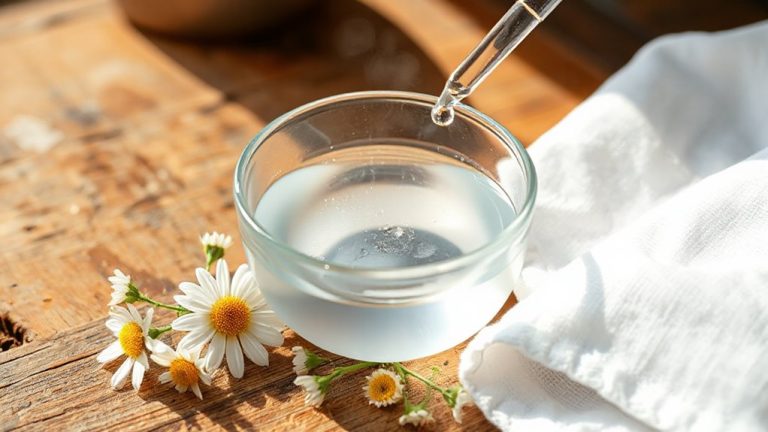
Keep sterile 0.9% sodium chloride saline in your pet’s emergency kit for safe eye, nose, and wound irrigation. Use preservative-free, single-use vials labeled for ophthalmic or wound care. Store in a cool, dry place and discard after opening. Flush eyes with 3–5 drops or use a bulb syringe for nasal or wound cleaning. Guarantee the solution is room temperature and clear. Replace expired or cloudy products immediately. Proper use supports immediate first aid-next steps depend on your kit’s readiness.
Notable Insights
- Choose sterile, isotonic saline (0.9% sodium chloride) labeled for ophthalmic, nasal, or wound use in pets.
- Include single-use sterile vials to maintain solution safety and prevent contamination during storage.
- Store saline in a cool, dry place away from sunlight, between 59°F–86°F (15°C–30°C).
- Label each saline container with expiration dates and replace after opening or upon expiry.
- Use saline for flushing eyes, noses, or wounds, but seek veterinary care if symptoms persist beyond 24 hours.
Use Saline Solution for Pet Eye and Nose Care
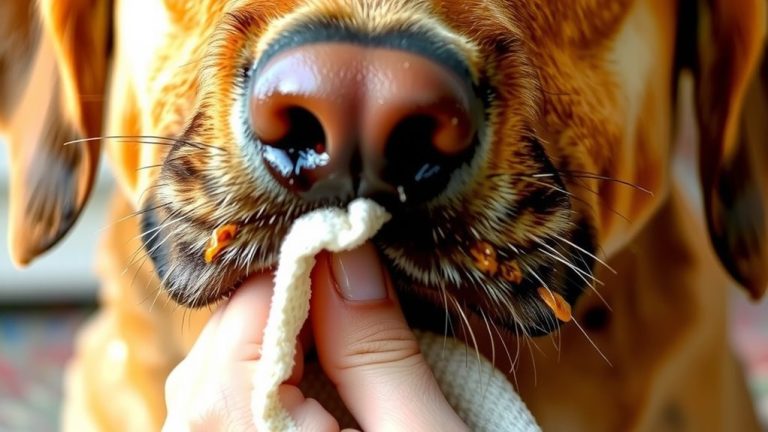
Why might your pet’s eyes or nose need special care? Dust, allergens, or minor irritants can inflame sensitive tissues. Eye irrigation helps flush debris and reduce discomfort. Use sterile saline solution (0.9% sodium chloride) to moisten dry eyes or rinse foreign particles. Administer 3–5 drops per eye, or use a bulb syringe for gentle irrigation. Nasal flushing clears mucus and irritants from nasal passages. Tilt your pet’s head sideways and insert 0.5–1 mL of saline into one nostril using a syringe without a needle. The fluid should exit the other nostril. This method improves airflow and eases breathing. Saline must be preservative-free and at room temperature to avoid irritation. Perform eye irrigation or nasal flushing only as needed. These procedures are safe but avoid excessive use-no more than twice daily unless directed by a vet. Always inspect equipment for cleanliness.
Clean Pet Wounds With Saline Solution
If your pet suffers a cut, abrasion, or minor wound, cleaning it properly is essential to prevent infection and support healing. Saline solution is ideal for wound irrigation because it’s isotonic, meaning it matches your pet’s natural fluid balance and won’t sting. Use it to flush out dirt, debris, and bacteria-key for effective infection prevention. Apply gently with a sterile syringe or pour directly over the wound.
| Application | Benefit |
|---|---|
| Wound irrigation | Removes contaminants without damaging tissue |
| Daily cleaning | Reduces risk of infection in open wounds |
| Post-surgery care | Supports healing with minimal irritation |
Use 5–10 mL per square inch of wound area during irrigation. Saline remains pH-neutral and non-toxic, making it safe for repeated use. Always discard opened bottles after 24 hours to maintain sterility.
Pick the Right Saline for Your Pet
You’ve cleaned your pet’s wound with saline, but not all solutions are created equal-choosing the right one matters for safety and effectiveness. Choose only sterile, isotonic (0.9%) sodium chloride solutions labeled for ophthalmic, nasal, or wound care use. Choosing sterile solutions guarantees no harmful microbes enter the wound. Non-sterile products can introduce infection. Check packaging for single-use vials or sealed containers to maintain sterility. Avoid solutions with preservatives like benzalkonium chloride-these can damage delicate tissues. Always be checking expiration dates before use; expired saline may lose sterility or change pH, reducing effectiveness. Temperature matters: use room-temperature saline to avoid shocking tissues. Never substitute contact lens solutions or homemade saltwater. Approved veterinary or human medical-grade products are safest. Read labels carefully. Correct saline choice supports healing and prevents complications.
Store Saline for Emergency Use
When preparing for pet emergencies, having sterile saline on hand can make a critical difference in the first few moments of care. Store unopened saline in a cool, dry place away from direct sunlight to guarantee storage safety and prevent contamination. Ideal conditions include temperatures between 59°F and 86°F (15°C–30°C). Always check the expiration date before use-expired solutions may lose sterility or pH balance. Apply shelf labeling to track purchase and expiration dates clearly, reducing the risk of accidental use of compromised product. Once opened, single-use vials should be discarded immediately after use. Multi-dose bottles with preservatives can last up to 28 days open but must be tightly sealed. Saline must remain clear and particle-free. If cloudiness occurs, discard it. Proper storage preserves isotonicity (0.9% sodium chloride), maintaining effectiveness for wound rinsing or eye flushing when seconds count.
Know When to Call the Vet After Home Care
Why assume a minor injury treated at home won’t take a serious turn? Even after using saline to flush debris or soothe irritation, you must monitor for emergency symptoms. Signs like persistent bleeding, swelling, discharge, or changes in behavior signal potential complications. Rapid breathing, lethargy, or refusal to eat are red flags requiring immediate veterinary consultation. Saline rinses aid surface care, but they can’t treat infections, foreign body penetration, or deep tissue damage. If your pet shows pain during or after treatment-flinching, vocalizing, or avoiding touch-it may indicate underlying injury beyond home management. Some ocular or ear conditions worsen without proper diagnosis. Time is critical: untreated irritation can progress to ulceration or systemic infection within hours. Always prioritize professional evaluation when symptoms persist beyond 24 hours or intensify. Veterinary consultation guarantees accurate diagnosis and prevents irreversible harm. Don’t rely solely on home care when emergency symptoms emerge.
Why Every Pet First Aid Kit Needs Saline
While many first aid supplies serve niche purposes, saline solution stands out as a fundamental and versatile component of any pet first aid kit. It supports critical functions like wound irrigation and pet hydration. Sterile, isotonic saline (0.9% sodium chloride) effectively cleans debris and contaminants from lacerations or abrasions without damaging tissue. Its pH and osmolarity match natural bodily fluids, minimizing irritation during use. For wound irrigation, a minimum of 50 mL per flush is recommended to reduce infection risk. Saline can also aid pet hydration when oral intake isn’t possible-administered subcutaneously under veterinary guidance. Standard single-use vials (5–30 mL) guarantee sterility, while larger bottles (250–500 mL) suit extended care. Unlike tap water or homemade solutions, sterile saline prevents microbial contamination. It has a shelf life of 2–3 years when stored properly. Always check expiration dates and solution clarity before use. When assembling your kit, consider choosing one of the top-rated pet first aid kits that includes saline solution as a standard component.
On a final note
You need saline solution in your pet’s emergency kit. It’s sterile, isotonic (0.9% sodium chloride), and pH-balanced to match your pet’s bodily fluids. Use it to flush debris from eyes or clean minor wounds. Avoid formulas with preservatives like BAK, which can irritate tissues. Store unopened vials at room temperature, away from light. Replace after the expiration date-typically 2–3 years. Saline won’t replace vet care, but it stabilizes injuries fast.