How to Manage Chronic Vomiting in Cats With Dietary Trials and Medication
If your cat vomits more than once a week for over three weeks, start a dietary trial with a novel protein like duck or rabbit, or a hydrolyzed protein diet, feeding exclusively for 8–12 weeks. Avoid treats, flavored medications, or human food. Your vet may prescribe maropitant (1 mg/kg once daily) or famotidine (0.5–1 mg/kg every 12–24 hours) to control symptoms. Persistent improvement indicates a dietary trigger-further refinements can clarify the best long-term plan.
Notable Insights
- Chronic vomiting in cats warrants investigation if occurring more than once weekly for over three weeks.
- Conduct an 8–12 week elimination diet trial with a novel or hydrolyzed protein to identify food triggers.
- Strictly avoid treats, human food, and flavored medications during dietary trials to ensure accuracy.
- Use medications like maropitant, famotidine, or omeprazole to manage symptoms while diagnosing underlying causes.
- Reintroduce the original diet after the trial to confirm food sensitivity if vomiting returns.
When to Worry About Your Cat’s Vomiting
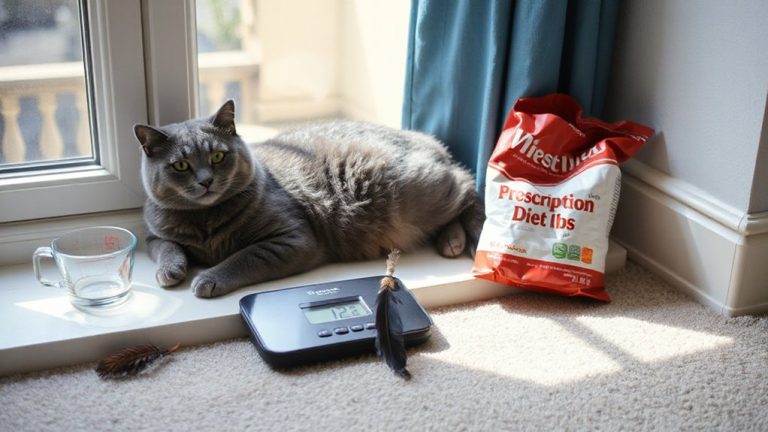
When should you stop brushing off your cat’s vomiting as no big deal? You should act when vomiting occurs more than once weekly for over three weeks. Occasional hairballs are normal; chronic episodes are not. Persistent vomiting can lead to weight loss, a red flag indicating inadequate nutrient absorption or underlying disease. Monitor your cat’s body condition score and record food intake. A drop of 5% or more in body weight over six months is clinically significant. Dehydration concerns arise when vomiting depletes fluids and electrolytes. Check skin elasticity by gently pulling the scruff-if it returns slowly, dehydration is likely. Blood work may reveal elevated kidney values due to fluid loss. Do not wait for extreme symptoms. Early intervention improves prognosis. Document frequency and consistency of vomitus for veterinary assessment. Chronic vomiting isn’t normal aging. It’s a clinical sign requiring diagnostic follow-up.
Common Causes of Chronic Vomiting in Cats
Chronic vomiting in cats isn’t something to shrug off-it’s a symptom with specific, identifiable causes that demand systematic evaluation. You need to rule out both dietary and physical origins. Common causes include food allergies, inflammatory bowel disease, gastrointestinal blockage, hyperthyroidism, and chronic pancreatitis. Food allergies trigger immune responses leading to gastrointestinal irritation. Gastrointestinal blockage, often from ingested foreign bodies, can obstruct digestion and provoke consistent vomiting. Diagnostic imaging and lab tests are essential to differentiate these conditions. A highly digestible, low-fat diet such as best wet cat food for pancreatitis can help manage nausea and support long-term gastrointestinal health.
| Cause | Key Indicator |
|---|---|
| Food allergies | Vomiting within 1–2 hours after eating |
| Gastrointestinal blockage | Loss of appetite, abdominal pain |
| Inflammatory bowel disease | Weight loss, chronic diarrhea |
| Hyperthyroidism | Increased thirst, hyperactivity |
| Chronic pancreatitis | Intermittent nausea, lethargy |
How Dietary Trials Help Identify Food Triggers
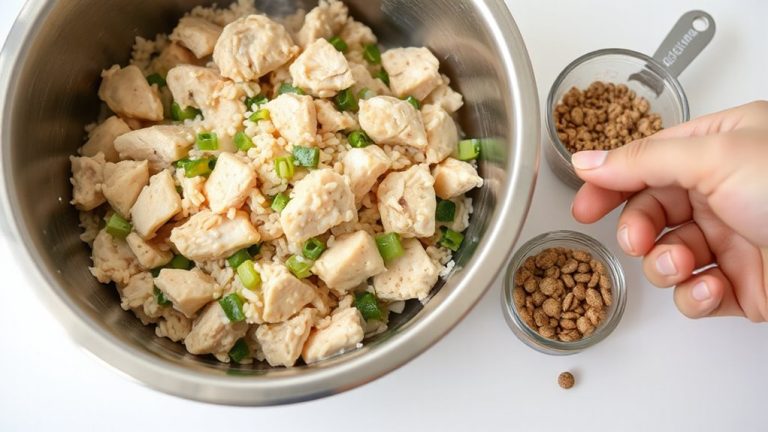
Though you might suspect a sensitive stomach, pinpointing food as the culprit requires a controlled approach. A dietary trial using an elimination diet is the gold standard for detecting food sensitivity in cats. You’ll feed your cat a simplified diet with a single novel protein and carbohydrate source it hasn’t been exposed to before. This diet must be strictly adhered to for 8–12 weeks, with no treats, flavored medications, or human food. During this time, you monitor vomiting frequency and other gastrointestinal signs. A positive response-reduced or eliminated vomiting-strongly suggests food sensitivity. Diagnostic accuracy improves when you reintroduce the original diet to see if symptoms return. This challenge phase confirms the food-trigger link. Consistency and compliance are critical for valid results.
Choosing the Right Hypoallergenic or Novel Protein Diet
You’ve committed to a dietary trial, and now selecting the appropriate hypoallergenic or novel protein diet is the next step. Start by identifying a protein your cat hasn’t been exposed to, as novel proteins reduce the risk of protein sensitivity. Common options include duck, rabbit, or venison, which aren’t in standard commercial foods. Hydrolyzed protein diets are another choice-proteins are broken into fragments too small to trigger an immune response. Ingredient sourcing matters: choose diets with transparent, consistent sourcing to guarantee purity and minimize cross-contamination. Look for veterinary therapeutic diets manufactured in dedicated facilities. Avoid treats or flavored medications with known allergens. The diet must be fed exclusively for 6–8 weeks. Monitor vomiting frequency as a primary response metric. Accurate adherence increases diagnostic reliability. For reliable options, consider reviewing the top picks for novel protein cat foods.
Medications That Support Cats With Chronic Vomiting
When dietary triggers are managed but vomiting persists, medications often play a necessary role in controlling symptoms and supporting gastrointestinal health. Your vet may prescribe anti nausea drugs like maropitant (Cerenia®), which blocks substance P in the vomiting center of the brain. It’s administered at 1 mg/kg subcutaneously or orally once daily, providing up to 24 hours of control. For chronic cases, oral ondansetron (0.5 mg/kg) may help, though it requires careful dosing. Acid reducers such as famotidine (0.5–1 mg/kg orally every 12–24 hours) reduce gastric irritation by inhibiting H2 receptors. Omeprazole, a proton pump inhibitor, offers stronger suppression at 0.7–1 mg/kg once daily. These medications decrease stomach acidity, allowing irritated mucosa to heal. Always use them under veterinary guidance-improper use can mask underlying disease or alter gastric pH critical for digestion.
How to Build a Vet-Approved Vomiting Management Plan
A thorough vomiting management plan starts with coordination between you and your veterinarian to address both symptoms and underlying causes. Diagnostic testing, like blood work and abdominal ultrasound, helps rule out metabolic or structural issues. Once identified, you’ll implement targeted dietary trials, medication protocols, and lifestyle adjustments.
| Component | Purpose | Frequency/Duration |
|---|---|---|
| Elimination Diet | Identify food intolerances | 8–12 weeks |
| Medication (e.g., maropitant) | Control nausea and vomiting | As prescribed |
| Stress reduction | Minimize GI triggers | Daily |
| Environmental enrichment | Promote mental well-being | Ongoing |
Stress reduction is essential-use Feliway diffusers and consistent routines. Environmental enrichment, such as vertical spaces and interactive toys, supports digestion by lowering cortisol. Monitor vomiting episodes daily. Adjust the plan every 4 weeks based on response. Always consult your vet before making changes.
On a final note
You should address chronic vomiting promptly. Persistent episodes may signal underlying disease. Dietary trials last 6–8 weeks using hydrolyzed or novel protein diets, like Purina HA or Royal Canin Hypoallergenic. Eliminate treats and table food. If vomiting continues, your vet may prescribe medications-famotidine for acid reduction or maropitant for nausea. Always follow a structured, vet-approved plan. Diagnostic testing, including bloodwork and ultrasound, guarantees accurate diagnosis and effective treatment.