How to Clean Your Pet’s Face Without Causing Anxiety or Fear
Start by calming your pet for 30 to 90 seconds using deep breathing and soft, low-toned speech at 60 beats per minute to lower heart rate and anxiety. Use a hypoallergenic, vet-approved wipe with a minimum thickness of 65 gsm and no alcohol or fragrances. Gently wipe from forehead to muzzle with downward strokes, focusing on eye creases and the jawline. Reward calm behavior immediately with a ¼-inch treat. Watch for stress signs like pinned ears or rapid breathing-stop if observed. Consistency, proper tools, and timing build trust and cooperation over repeated sessions. A structured approach guarantees safety, comfort, and long-term success.
Notable Insights
- Calm your pet with deep breathing and soft, low-toned talking before starting the face cleaning process.
- Use vet-approved, hypoallergenic wipes made of soft, non-abrasive materials to safely clean sensitive facial areas.
- Follow a gentle routine with downward strokes, focusing on eye creases, under the chin, and the jawline.
- Reward calm behavior immediately with small treats and quiet praise within two seconds of positive actions.
- Watch for stress signs like lip licking or pinned ears, and stop instantly to prevent fear escalation.
Calm Your Pet Before Cleaning
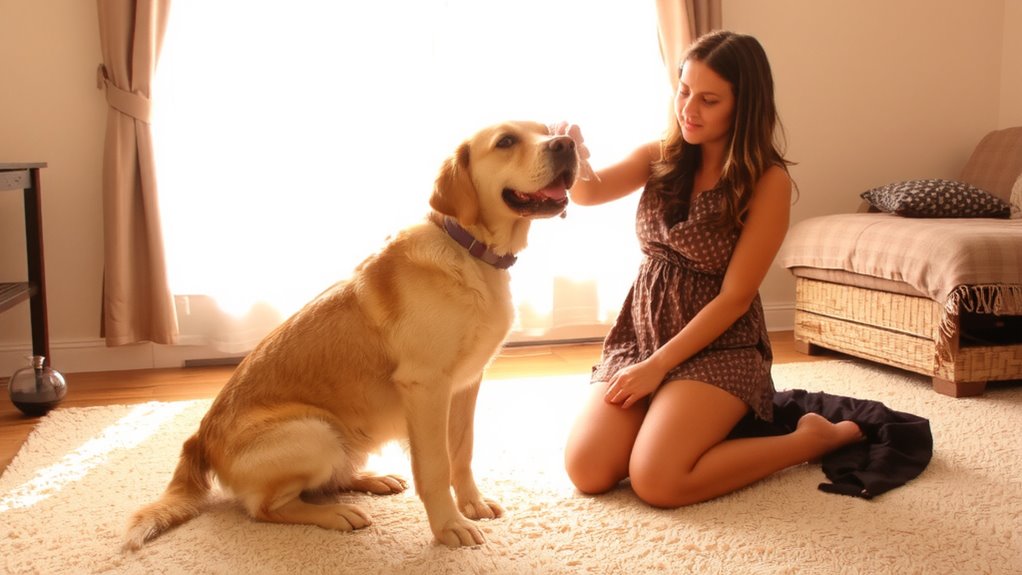
Before starting the cleaning process, take a moment to make sure your pet is relaxed and cooperative. Deep breathing helps lower your pet’s heart rate, reducing anxiety. You can encourage this by staying calm yourself-your pet senses your energy. Soft talking in a low, steady tone reinforces a safe environment. Use a consistent pitch, similar to a metronome set at 60 beats per minute, to maintain rhythm and predictability. Begin with brief verbal cues, then pause three to five seconds to allow response time. Monitor ear position and tail movement as physiological indicators of comfort. If your pet leans in or blinks slowly, continue. Avoid sudden movements or elevated tones, which trigger stress responses. This preparatory phase typically lasts 30 to 90 seconds and is critical for successful handling. Establishing this routine not only improves compliance during facial cleaning but also strengthens trust over time. Consistency enhances predictability, a key factor in animal behavior management. Incorporating proven anti-stress products for pets can further support a calm state during grooming sessions.
Pick Safe Tools for Face Wipes
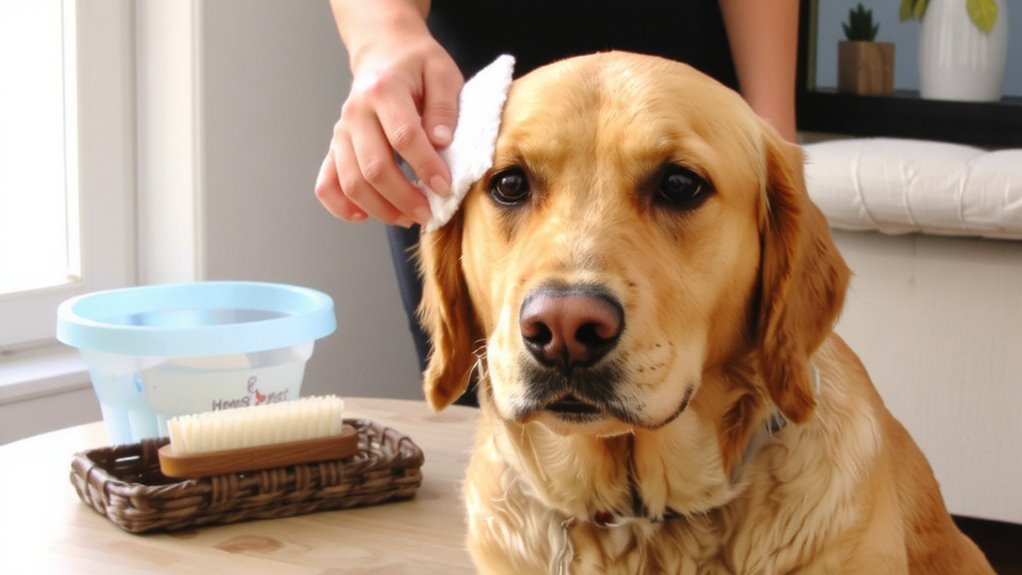
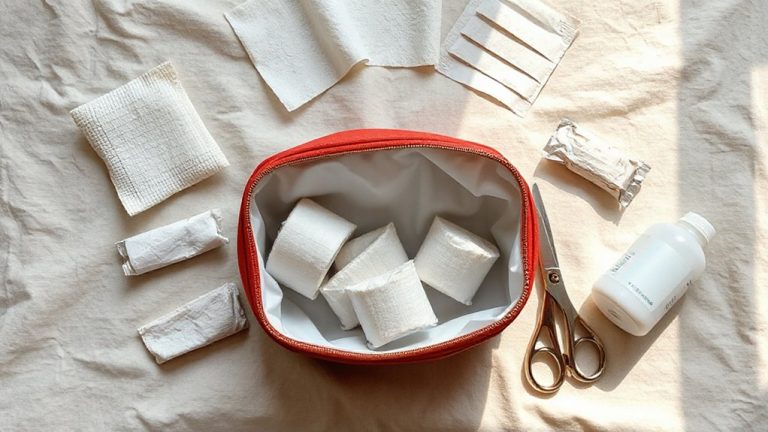
You’ve already helped your pet relax, setting the stage for a stress-free cleaning session. Now, choose face wipes with proven material safety and non-toxic product ingredients. Opt for wipes made from ultra-soft, non-abrasive materials like microfiber or plant-based fibers to prevent skin irritation. Avoid fabrics with loose weaves or rough textures that can scratch sensitive facial areas. Check labels: effective wipes contain mild, pH-balanced cleansers and lack alcohol, parabens, and artificial fragrances. Veterinary-approved options often include chamomile or aloe vera for gentle antimicrobial action. Make certain wipes are thick enough-minimum 65 gsm (grams per square meter)-to resist tearing during use. Never use human facial wipes; their chemical composition isn’t formulated for animal skin. Prioritize hypoallergenic, ophthalmologist-tested products. Proper material safety and clean product ingredients reduce dermatological risks markedly. Top-rated options are often vet-recommended and designed specifically for canine sensitivity, making best dog wipes a reliable choice for safe facial cleaning.
Follow a Gentle Step-by-Step Routine
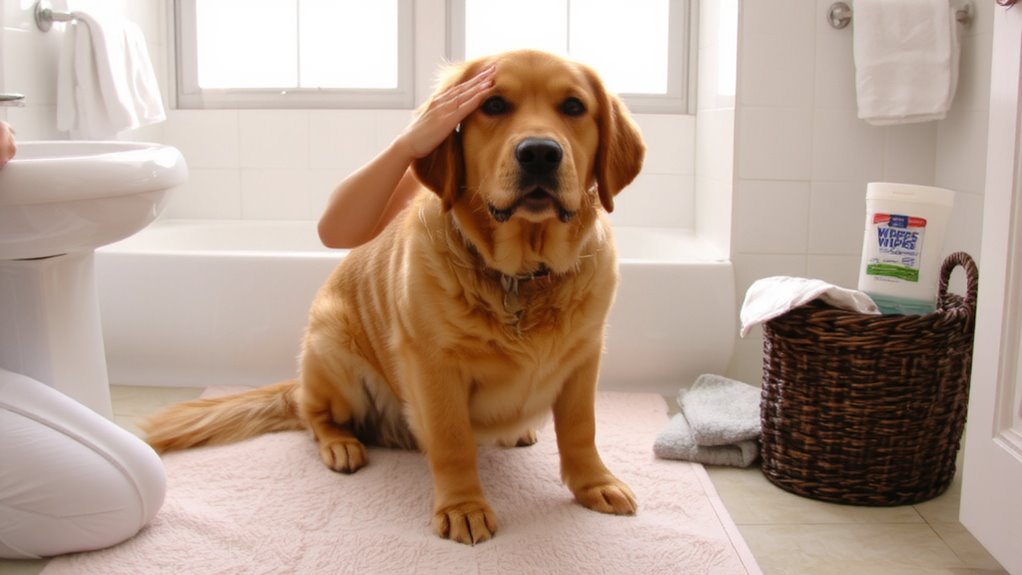
While your pet remains calm and cooperative, begin the facial cleaning process by preparing your materials and positioning yourself at eye level to maintain control and visibility. Proper face positioning guarantees you can access all areas safely, minimizing stress. Hold your pet’s head gently but firmly, using one hand to stabilize while the other performs the wipe motion. Use a soft, non-abrasive wipe in a downward stroke from forehead to muzzle, following the natural grain of the fur. Execute each wipe motion slowly to prevent startling sensitive facial nerves. Focus on creases around the eyes, under the chin, and along the jawline-zones prone to debris buildup. Repeat as needed, discarding used wipes immediately. Maintain consistent lighting and minimal noise to aid concentration. Keep sessions under two minutes to align with typical attention spans. Precise technique guarantees hygiene without compromising comfort.
Reward Calmness During Cleaning
Why do some pets remain still during face cleaning while others resist? The difference often lies in positive reinforcement and trust building. When you reward calm behavior immediately after a gentle wipe or soft touch, your pet learns the action isn’t threatening. Use small, high-value treats-no larger than ¼ inch in diameter-to mark desirable behavior without overfeeding. Deliver the treat within two seconds of calmness to create a precise association. Over time, this consistent timing strengthens neural pathways linked to safety and cooperation. Trust building occurs incrementally: each session should last no more than three to five minutes to prevent fatigue. Repeat sessions every 48 hours to reinforce learning without causing stress. Positive reinforcement isn’t just about food; quiet praise in a low tone can also serve as a secondary reinforcer. The goal is reliable compliance through structured, predictable rewards. For pets with deeper anxiety, consider using an anxiety jacket to help them feel more secure during grooming.
Spot Stress and Stop Immediately
How quickly can you recognize the subtle signs that your pet is nearing their tolerance limit? Watch for changes in body language, such as pinned ears, lip licking, or turning the head away. These are early warnings. Your pet’s breathing patterns may shift from slow and steady to rapid or shallow, indicating rising stress. A normal resting respiration rate for dogs is 15–30 breaths per minute; cats average 20–30. Any spike suggests discomfort. If you see stiff posture, dilated pupils, or trembling, stop immediately. Do not proceed until your pet fully relaxes. These responses are neurological-triggered by the sympathetic nervous system. Continuing risks conditioning fear. Interrupt the session. Reset with distance, silence, and time. Resume only when breathing returns to baseline and body language softens. Prevention is more effective than correction.敏锐 observation prevents escalation.
On a final note
You’ve learned the essentials for safe facial cleaning. Use only soft, non-abrasive cloths with rounded edges, like 100% cotton pads or microfiber wipes under 1.5 mm thickness. Apply minimal pressure-under 100 grams-to avoid discomfort. Always monitor respiration and ear position; rapid breathing or pinned ears signal stress. Discontinue if observed. Reinforce calm behavior immediately with small 3–5 gram treat rewards. Consistency builds tolerance.