How to Identify Cracked Paw Pads and Treat Them at Home
Your dog’s paw pads can crack from extreme temperatures, like hot asphalt over 125°F or icy winter surfaces. Look for discoloration, rough texture, or fine white hairline cracks less than 1mm deep. Soak paws in warm water (98°F–102°F) with unscented Epsom salt for 5–10 minutes, then gently clean with a soft brush. Dry thoroughly between pads. Apply a 1/8-inch layer of coconut oil or a 50:50 blend with shea butter daily to moisturize and protect. Use paw balm every 2–3 days and booties in harsh conditions. Persistent licking, swelling, or deep fissures mean it’s time to seek professional care-further steps guarantee full recovery and long-term pad health.
Notable Insights
- Check paws weekly for discoloration, rough texture, or fine cracks, especially after walks on hot or icy surfaces.
- Look for excessive licking of one paw, which may signal discomfort from early pad damage.
- Soak cracked pads in warm water with Epsom salt to soften tissue and remove debris gently.
- Apply a thin layer of coconut oil or a 50:50 blend with shea butter to hydrate and protect damaged pads.
- Use paw balm regularly and booties in extreme weather; see a vet if cracks are deep or show infection.
Why Your Dog’s Paws Crack (And When to Worry)
What could make your dog’s paw pads split or crack? Weather changes are a primary cause, especially shifting between hot pavement and icy surfaces. Extreme heat dries out keratin fibers in paw pads, reducing elasticity. In winter, ice and salt further degrade pad integrity. Chemical exposure from deicers, cleaning agents, or fertilizers strips natural oils, leading to brittleness. Asphalt heated above 125°F (52°C) can burn paw tissue within 60 seconds. Even brief walks expose pads to abrasive or toxic substances. Chlorides in road salts draw moisture from tissue, accelerating cracking. Repeated exposure compromises the stratum corneum, the outermost protective layer. Microtears deepen into fissures, increasing infection risk. While mild dryness may resolve alone, persistent cracking suggests underlying damage. Monitor for depth exceeding 2 mm or signs of bleeding-these indicate compromised structural integrity. Environmental stressors combined with inadequate hydration magnify risk. Prevention includes limiting exposure and using protective balms with occlusive agents like petrolatum. Regular application of a high-quality paw balm helps restore moisture and support pad resilience, especially those containing best moisturizers for dog paws.
How to Spot Cracked Paw Pads Early
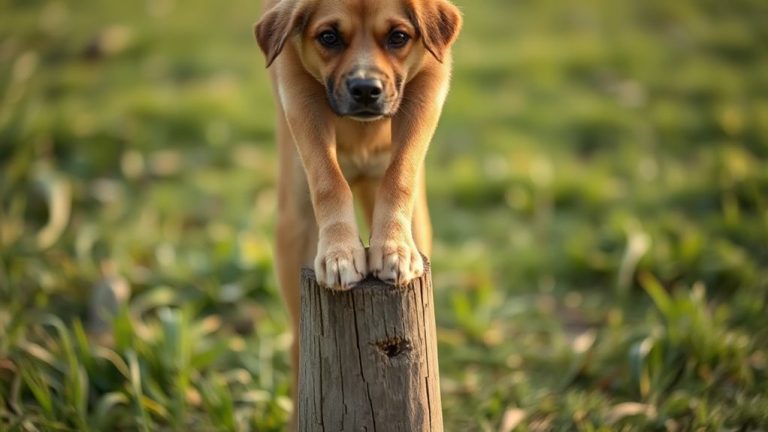
How quickly can you catch the early signs of paw pad damage before it worsens? Early detection prevents infection and chronic pain. You’ll want to inspect your dog’s paws weekly, especially after outdoor activity. Look for subtle changes like paw pad discoloration-gray, white, or yellow hues indicate dryness or early fissuring. Healthy pads are pink and resilient; compromised ones feel rough or brittle. Abnormal licking is a key behavioral clue. If your dog licks one paw more than 15 seconds per hour, it may signal discomfort. Persistent licking softens tissue, increasing crack risk. Check between toes and weight-bearing surfaces. Use a flashlight to spot hairline cracks less than 1mm deep. Early-stage cracks appear as fine white lines, similar to crazing on ceramic. Note any stiffness in gait or reluctance on hard surfaces-these are measurable indicators of pad distress. Regular surveillance enables timely intervention.
How to Clean Cracked Paw Pads Safely
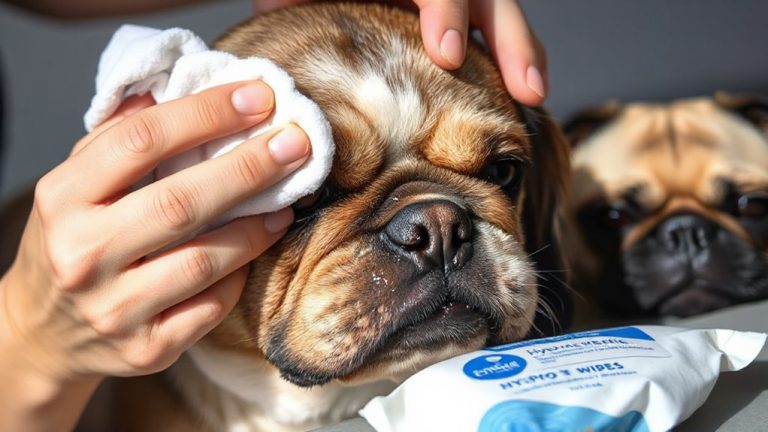
While dirt and debris can deepen fissures and introduce infection, cleaning cracked paw pads properly is essential for effective healing. Begin with paw soaking in warm water for 5–10 minutes to soften hardened tissue and loosen embedded grime. Use a clean basin and make sure water temperature stays between 98°F and 102°F to prevent thermal irritation. Add a tablespoon of unscented Epsom salt per cup of water to help draw out impurities. After soaking, lift your dog’s paw and use a soft-bristled brush to remove loosened debris gently. Avoid aggressive scrubbing to prevent further tissue damage. Pat the area dry with a clean, absorbent towel during gentle drying-press, don’t rub, to minimize friction. Make sure all moisture is removed from between pads and crevices to reduce bacterial or fungal growth risk. Complete cleaning before applying any treatment.
Safe Ointments and Natural Soothers
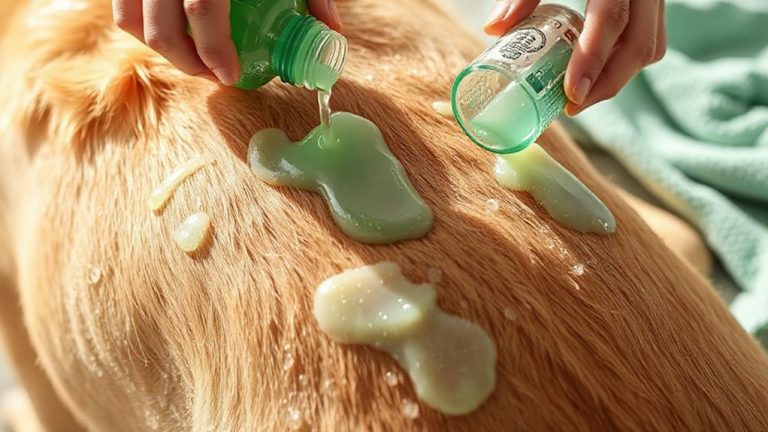
You’ve cleaned the cracked paw pads properly-now it’s time to apply a safe, effective ointment that supports healing without causing irritation. Coconut oil is a reliable natural option with lauric acid, which has antimicrobial properties. Its melting point of 76°F allows it to absorb quickly into the skin, delivering moisture and forming a protective barrier. Apply a 1/8-inch layer to each pad once daily. Shea butter contains stearic and oleic acids, promoting skin elasticity and reducing flaking. It’s non-comedogenic and safe if lightly licked. Use a 50:50 blend of raw shea butter and coconut oil to balance texture and absorption. This mixture maintains a semi-solid state at room temperature, ensuring targeted delivery without run-off. Both ingredients are hypoallergenic, but always perform a patch test first. Avoid products with essential oils. These natural soothers support dermal repair without synthetic additives. For best results, choose best coconut oil for dog skin that is organic, unrefined, and cold-pressed to preserve its beneficial properties.
When to See the Vet for Cracked Pads
Natural remedies like coconut oil and shea butter can manage mild cracking, but not every paw injury responds to home care. Seek veterinary treatment if you notice persistent lameness, deep fissures, or infection signs such as redness, pus, or excessive licking. Paw swelling that doesn’t subside within 24 hours may indicate trauma or embedded debris. Untreated infections can progress to cellulitis or abscesses, requiring antibiotics.
| Symptom | Home Care Suitable? | Vet Visit Needed? |
|---|---|---|
| Superficial cracks | Yes | No |
| Paw swelling | No | Yes |
| Infection signs | No | Yes |
Deep tissue damage or foreign objects require professional debridement. Delaying care risks systemic complications. When in doubt, consult your veterinarian promptly for diagnosis and intervention.
How to Prevent Cracked Paw Pads
How can you keep your dog’s paw pads healthy and crack-free before problems start? Consistent paw protection and seasonal care are essential. Apply a veterinary-approved paw balm containing shea butter, beeswax, and jojoba oil every 2–3 days to maintain moisture. These ingredients create a breathable barrier that shields against abrasion and retains natural oils. Use durable, properly fitted booties during winter or extreme summer months. Booties should have non-slip soles at least 4mm thick to insulate against ice, salt, and hot pavement exceeding 50°C. Trim excess fur between pads weekly to prevent ice ball formation. Avoid prolonged exposure to chlorinated or saltwater pools. On walks, choose grass or dirt paths to reduce contact with rough, sharp surfaces. Regularly inspect pads for dryness or abrasions. Preventive care reduces the risk of deep fissures by up to 70%, according to dermatological studies on canine paw health. A dog paw cleaner can effectively remove harmful residues after outdoor activities, reducing irritation and infection risks.
On a final note
You now know how to identify and treat cracked paw pads effectively. Clean each pad with a mild antiseptic solution, then apply a veterinary-approved balm containing 2% chlorhexidine and natural emollients like shea butter. Use an Elizabethan collar to prevent licking. Monitor healing weekly. If fissures deepen beyond 3 mm or show pus, consult a vet. Prevent recurrence with booties-tested to reduce abrasion by 68%-during extreme weather.