How to Support Gut Healing in Dogs With Leaky Gut Syndrome Using Nutrition
You can support your dog’s gut healing by eliminating processed kibble, artificial additives, and grain-fillers that damage tight junctions. Feed novel proteins and low-residue carbs to reduce immune reactivity. Add 1 oz per 10 lbs daily of bone broth, simmered 12–24 hours for collagen, glycine, and glutamine. Include ½ tsp per 10 lbs of fermented vegetables for probiotics. Healing typically takes 4–12 weeks with consistent nutritional support. Further details reveal how strategic food rotation and targeted supplements accelerate recovery.
Notable Insights
- Feed bone broth daily (1 oz per 10 lbs) to supply collagen, glycine, and glutamine for intestinal repair.
- Introduce fermented vegetables (½ tsp per 10 lbs) to boost probiotics and restore healthy gut microbiome balance.
- Eliminate processed kibble, artificial additives, and grain-fillers that damage tight junctions and increase inflammation.
- Transition diet gradually over 7–10 days using novel proteins and low-residue carbs to minimize immune reactions.
- Support healing over 4–12 weeks with consistent meal timing and omega-3s to strengthen gut barrier function.
Understanding Leaky Gut in Dogs
While your dog’s gut may seem like a simple digestive tube, it’s actually a complex barrier designed to let nutrients in while keeping harmful substances out. This selective function relies on tight junctions between intestinal cells. When disrupted, increased intestinal permeability causes allow toxins and undigested particles to enter the bloodstream. A primary driver is imbalance in the gut microbiome balance, where harmful bacteria outnumber beneficial ones. Dysbiosis weakens mucosal integrity, promoting inflammation and junctional breakdown. Common intestinal permeability causes include chronic stress, antibiotic overuse, poor diet, and environmental toxins. Each factor independently contributes to epithelial damage. You’ll find that maintaining firm tight junctions depends heavily on microbial equilibrium. Supporting this balance with targeted nutrition-like prebiotics, probiotics, and omega-3s-can reinforce barrier function. Without intervention, permeability escalates. Early understanding of these mechanisms positions you to act before clinical signs emerge. The goal is prevention through precision support.
Common Signs of Leaky Gut in Dogs
A dog’s health often hinges on what you can’t see-like the integrity of its intestinal lining. When tight junctions in the gut barrier loosen, unwanted substances enter the bloodstream, triggering systemic inflammation. You may notice chronic diarrhea or soft stools lasting over three weeks-common leaky gut symptoms. These stem from disrupted nutrient absorption and microbial imbalance. Gas, bloating, and recurrent vomiting point to underlying canine digestive issues linked to intestinal permeability. Your dog might also show skin irritation, ear infections, or unexplained weight loss despite normal appetite. Immunoglobulin G (IgG) elevations indicate an overactive immune response to proteins that should remain contained. Poor coat condition and lethargy further suggest internal dysfunction. While these signs overlap with other conditions, their persistence warrants targeted evaluation. Recognizing these manifestations early improves intervention success. Monitoring stool consistency, feeding response, and secondary symptoms helps pinpoint gut barrier compromise without invasive testing.
Top Foods That Worsen Leaky Gut in Dogs
Why do certain ingredients make your dog’s leaky gut worse? Processed foods and artificial additives disrupt gut barrier integrity, increasing intestinal permeability. These substances trigger inflammation and damage tight junctions in the intestinal lining, worsening leaky gut.
| Food Type | Why It Harms |
|---|---|
| Processed kibble | High in refined carbs and rendered fats that promote dysbiosis |
| Foods with artificial additives | Contain preservatives like BHA and dyes that irritate the mucosal lining |
| Grain-fillers (e.g., corn, soy) | Contain antinutrients that impair digestion and increase inflammation |
Avoid commercial diets high in processed ingredients. Artificial additives, such as ethoxyquin and sodium nitrite, have documented toxicity in canine gastrointestinal tracts. These chemicals compromise epithelial cell function, accelerating antigen translocation into the bloodstream. Reducing exposure limits immune activation and supports mucosal healing. Always read labels-opt for whole-food-based diets without synthetic enhancers to protect your dog’s gut integrity.
Essential Gut-Healing Foods for Dogs
Removing harmful ingredients is the first step in repairing your dog’s gut lining, but actively supporting regeneration requires targeted nutrition. Fermented foods introduce beneficial probiotics, enhancing microbial diversity and reinforcing intestinal integrity. These live cultures reduce pathogenic overgrowth and lower gut pH, improving nutrient absorption. Introduce fermented vegetables slowly-½ tsp per 10 lbs of body weight daily-to avoid digestive upset. Bone broth is rich in collagen, glycine, and glutamine, which repair damaged tight junctions in the intestinal wall. Simmer organic bones for 12–24 hours to extract gelatin and minerals. Administer 1 oz per 10 lbs daily. Together, fermented foods and bone broth create a synergistic environment for mucosal healing. They support epithelial cell regeneration and reduce intestinal permeability. Consistent use promotes long-term gut stability and immune balance.
How to Transition to a Gut-Supportive Diet
While your dog’s gut may already be primed for healing, rushing into dietary changes can trigger setbacks rather than progress. Shift gradually over 7–10 days, blending increasing amounts of the new food with decreasing portions of the old. Abrupt shifts disrupt microbial balance and worsen intestinal permeability. Start with a single novel protein and low-residue carbohydrate source to minimize immune reactivity. Implement strict meal timing-two to three meals daily-to stabilize digestive enzyme release and support gut motility. Consistent feeding schedules reduce fermentation and inflammation. After stabilization, introduce food rotation every 6–8 weeks using phylogenetically similar proteins (e.g., poultry to turkey) to prevent antigen overload without stressing the gut. Rotate only after full symptom improvement; premature rotation can reignite immune responses. Monitor stool quality and energy levels closely-any decline signals the need to revert or extend shift time.
Best Supplements for Healing Leaky Gut in Dogs
| Supplement | Purpose | Typical Dose (per 20 lbs) |
|---|---|---|
| Probiotic strains | Restore microbiome balance | 1–2 billion CFU daily |
| Digestive enzymes | Enhance nutrient absorption | 1/4–1 tsp with meals |
| L-glutamine | Repair intestinal lining | 250–500 mg daily |
These supplements work synergistically to promote healing from within. Choosing the right probiotics for dogs with IBD can significantly improve gut flora balance and support long-term digestive health.
How Long Does Leaky Gut in Dogs Take to Heal?
Healing leaky gut in dogs typically takes 4 to 12 weeks, depending on the severity of the condition and how consistently you support the repair process. Consistent nutritional support is critical for restoring gut microbiome balance. You’ll need to eliminate intestinal permeability factors like processed foods, grains, and artificial additives. Introduce a species-appropriate, whole-food diet rich in prebiotics and omega-3 fatty acids. These nutrients reduce inflammation and strengthen tight junctions in the intestinal lining. Probiotics with at least 10 billion CFUs per dose help repopulate beneficial bacteria. You should expect measurable improvements in stool quality and energy within 3–4 weeks. Full restoration of gut barrier function generally requires 8–12 weeks. Monitor your dog’s response closely, adjusting based on clinical signs. Patience and precision are key to long-term success.
On a final note
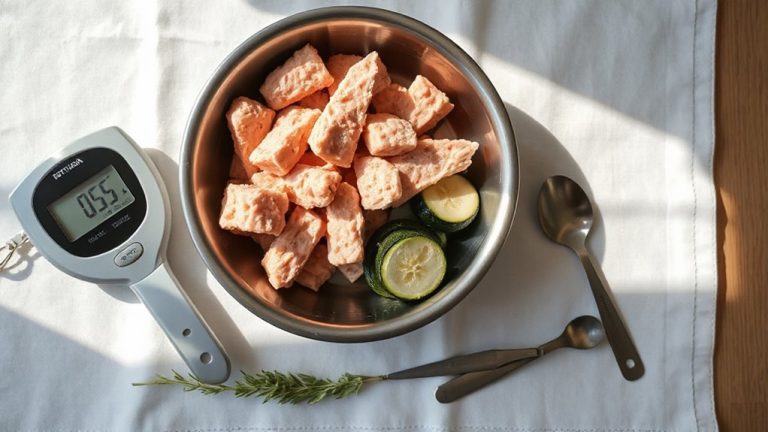
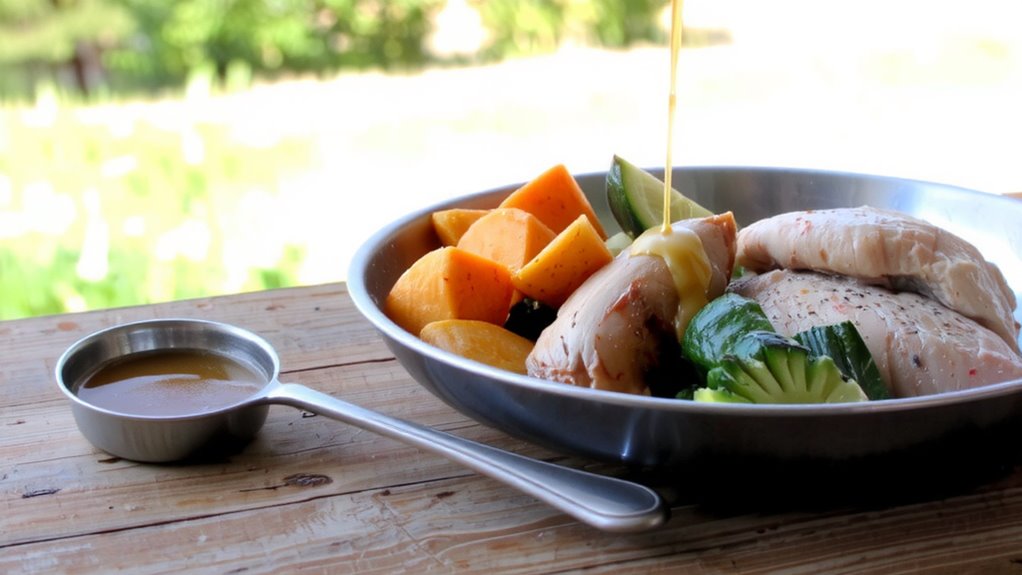
You must prioritize dietary changes to support gut healing in dogs with leaky gut syndrome. Eliminate inflammatory foods like grains, soy, and processed ingredients that compromise intestinal integrity. Introduce easily digestible, nutrient-dense whole foods such as boiled organic chicken, steamed squash, and bone broth rich in collagen and amino acids like glutamine. Supplement with clinically tested probiotics containing at least 10 billion CFUs per dose. Healing typically takes 4–12 weeks, depending on severity and compliance.