Why Senior Cats Need Increased Protein Despite Kidney Concerns
Your senior cat likely needs more protein, not less, to fight muscle loss from aging. Sarcopenia causes up to 50% higher protein requirements-aim for 6–8 g/kg daily of high-quality animal protein. Diets with 30–40% crude protein on a dry matter basis support skin, coat, and mobility. Only in late-stage kidney disease is mild protein restriction needed, using high-bioavailability sources at 2.2–3.0 g/kg. Continue to explore how protein type and kidney staging fine-tune nutrition.
Notable Insights
- Senior cats need more high-quality protein to combat muscle loss from sarcopenia and support skin and coat health.
- Increased dietary protein (30–40% dry matter) helps maintain lean body mass and bodily functions in healthy aging cats.
- Animal-based proteins like chicken and fish provide essential amino acids with high digestibility and biological value.
- Protein does not cause kidney disease, but its intake must be balanced in cats with late-stage CKD to manage azotemia.
- Renal diets use moderate, high-quality protein and low phosphorus to reduce kidney strain while preserving muscle.
Most Senior Cats Need More Protein: Not Less
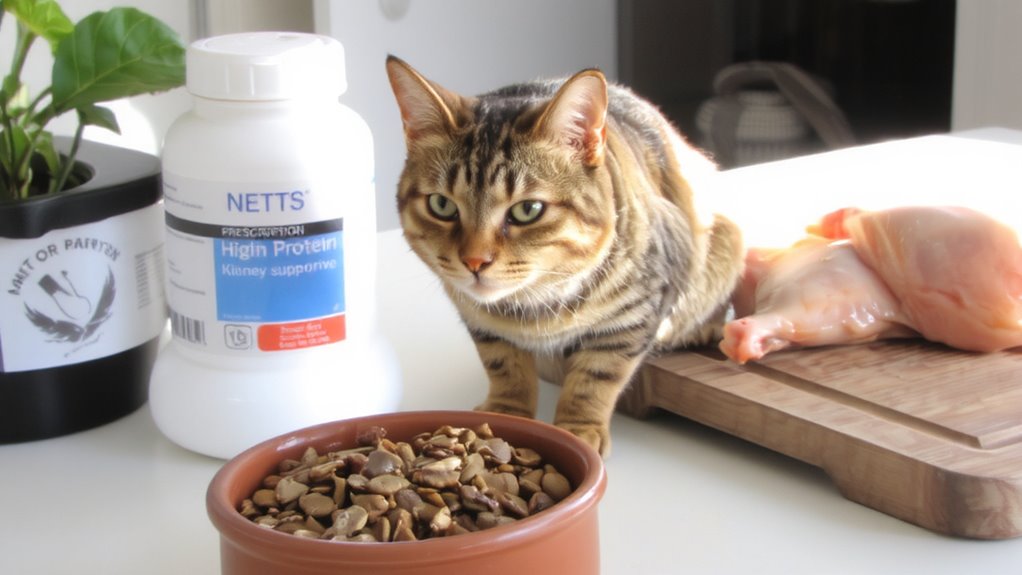
Many senior cats actually need more dietary protein than younger adults, not less. You may think reducing protein protects aging kidneys, but current research shows most healthy senior cats benefit from increased intake. High-quality protein supports essential bodily functions, including skin health and coat quality. Look for diets with 30–40% crude protein on a dry matter basis. Animal-based proteins-like chicken, egg, and fish-offer complete amino acid profiles vital for tissue repair. These proteins enhance epidermal turnover, reducing flakiness and improving skin health. They also boost keratin production, leading to shinier, denser fur and superior coat quality. Diets low in protein can cause thinning skin and dull coats. Unlike plant proteins, animal proteins have higher digestibility-often over 90%-ensuring more amino acids reach target tissues. Always check the guaranteed analysis. For best results, choose foods specifically formulated for senior cats with elevated protein levels and essential fatty acids. The best high-protein cat foods combine these high-quality animal proteins with balanced nutrition for optimal senior feline health.
Muscle Loss in Aging Cats: The Real Threat
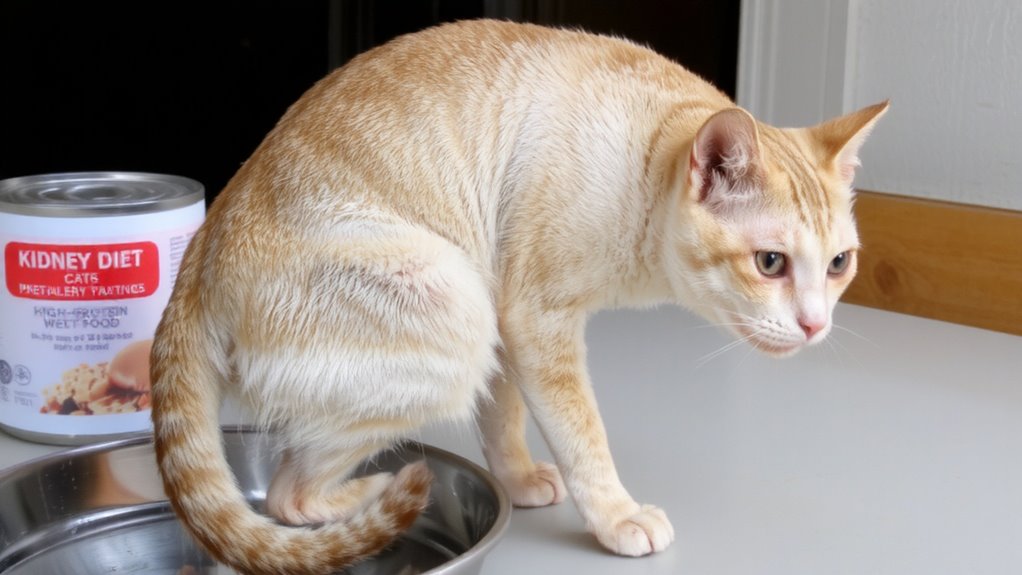
While aging naturally slows metabolism, you can’t afford to overlook the rapid decline in lean muscle mass that most senior cats experience-known as sarcopenia. This loss weakens strength, impairs mobility, and accelerates frailty. Reduced muscle protein synthesis and diminished appetite exacerbate the issue. Sarcopenia also worsens arthritis management by increasing joint stress and reducing activity tolerance. Cats with muscle atrophy struggle to groom, jump, or navigate litter boxes, diminishing quality of life. Concurrent cognitive decline may further reduce self-care and feeding behaviors. Studies show senior cats need 28–50% more protein than adults to maintain muscle mass-approximately 6–8 g of high-quality protein per kg of body weight daily. Premium animal-based proteins with essential amino acids, particularly taurine and leucine, support muscle retention. Early nutritional intervention preserves function and independence, delaying disability. You must prioritize protein intake before muscle loss becomes irreversible.
How Kidney Disease Changes Protein Needs
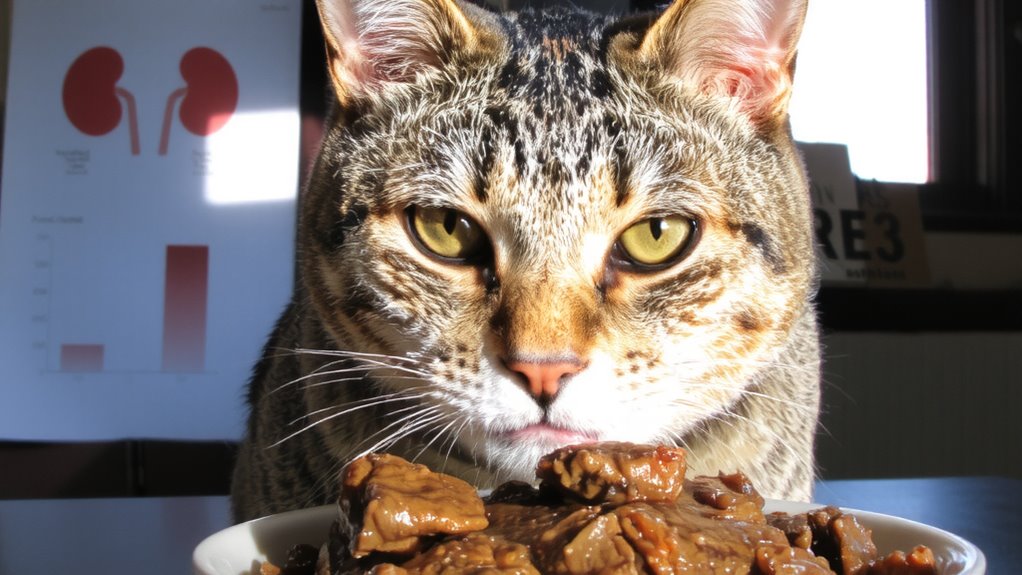
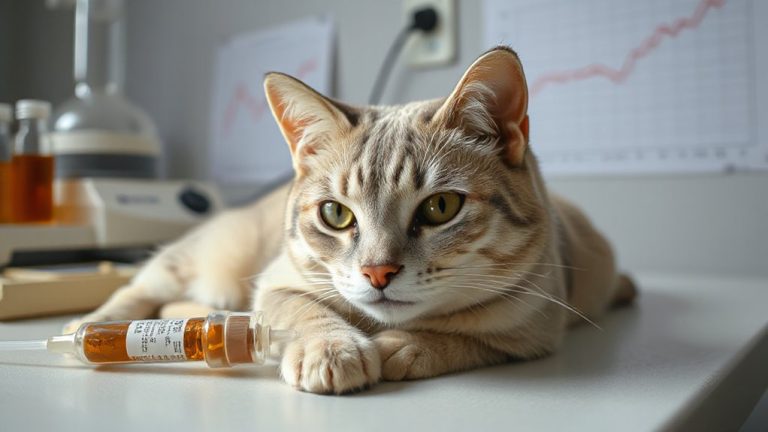
If your senior cat has been diagnosed with chronic kidney disease (CKD), you’ll need to rethink their protein intake-not because protein causes kidney damage, but because the type, amount, and quality must be carefully balanced to reduce metabolic strain. Protein restriction is often recommended in late-stage CKD to minimize nitrogenous waste buildup. As kidney function declines, the organs become less efficient at filtering urea, leading to azotemia. Reducing dietary protein decreases this workload, helping manage clinical signs. However, excessive restriction can worsen muscle loss. The goal isn’t to eliminate protein but to optimize it-typically 2.2–3.0 g/kg body weight per day depending on disease stage. Bloodwork, including SDMA and creatinine levels, should guide adjustments. Protein needs are dynamic; they shift as kidney function progresses. Regular monitoring guarantees nutritional support aligns with current disease status, preserving both muscle mass and metabolic health.
What Kind of Protein Is Best for Older Cats
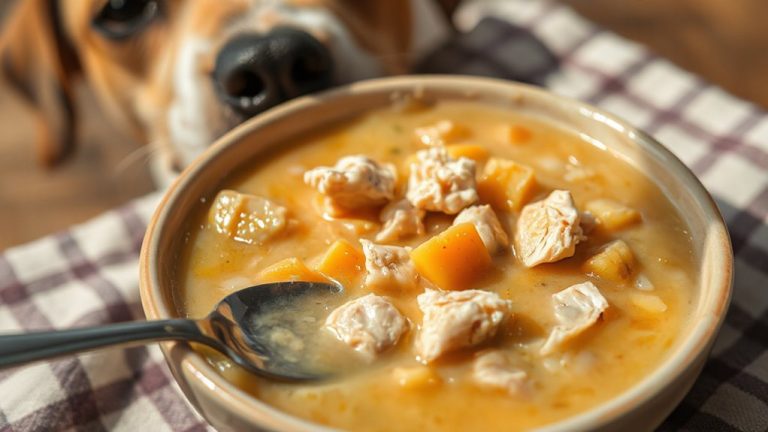
Quality trumps quantity when selecting protein for your senior cat. You need highly digestible, animal-based proteins with high biological value. These proteins supply essential amino acids like taurine and arginine, which aging cats can’t synthesize efficiently. Wet food typically delivers superior protein quality compared to dry food, partly because processing methods preserve amino acid integrity. Moisture content in wet food also supports hydration, critical for renal function. Dry food often contains more plant-based proteins, which are less bioavailable. Choose products listing named meat sources-like chicken, turkey, or fish-as the first ingredient. Look for AAFCO statements confirming the food meets maintenance standards for adult cats. Protein digestibility should exceed 85% for maximal nutrient absorption. A diet with 40–50% protein on a dry matter basis supports muscle retention without overburdening metabolism. Prioritize wet food formulas designed for seniors to maximize protein quality and hydration.
Feeding Cats With Kidney Disease the Right Way
Because kidney function declines with age, managing your cat’s diet becomes critical in slowing disease progression and maintaining quality of life. You should feed a renal-specific diet that limits phosphorus and protein quantity while ensuring high-quality protein sources. These diets typically contain 28–35% measured crude protein on a dry matter basis, optimized to reduce nitrogenous waste. Restricted phosphorus levels-ideally below 0.5% on a dry matter basis-help protect remaining nephrons. Poor dental health can compromise food intake, so monitor for tartar buildup or gum disease that may impair chewing. Decreased grooming habits often signal discomfort or illness, including uremic conditions from kidney dysfunction. Monitor coat condition closely. Wet food is often recommended to boost hydration, supporting renal clearance. Always shift diets gradually over 7–10 days. Regular bloodwork, including SDMA and creatinine levels, helps tailor nutritional adjustments.
On a final note
You need to prioritize protein in your senior cat’s diet to combat age-related muscle loss. Most older cats require 6–8 g of protein per kg of body weight daily. High-quality, digestible proteins from animal sources support lean mass. Cats with kidney disease need reduced phosphorus, not necessarily less protein-target 28–35% dry matter protein. Always consult your vet to balance needs. Proper nutrition extends health span.