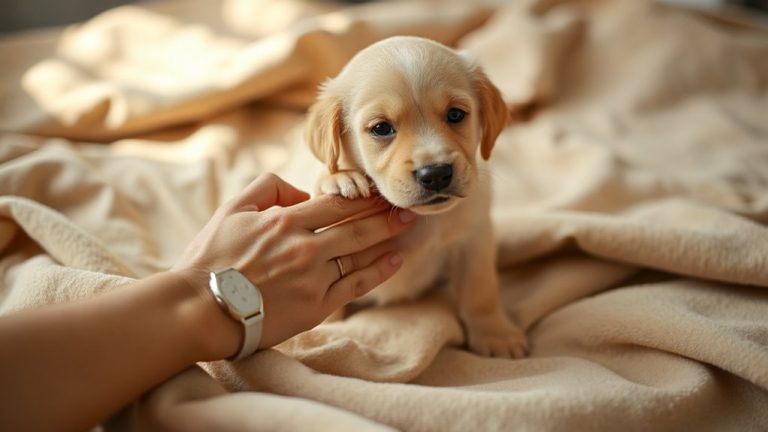
How to Clean Your Dog’s Paws After a Walk on Hot Pavement
After a walk on hot pavement, check your dog’s paws immediately for redness, cracking, or debris like gravel and glass. Rinse each paw with cool (60–70°F) water for 30–60 seconds to dissipate heat and prevent thermal injury. Use alcohol-free, hypoallergenic wipes sized at least 7 x 8 inches to clean between pads and nail beds. Dry thoroughly with a clean towel, paying attention to toe crevices. Apply a vet-approved balm with beeswax, coconut oil, and vitamin E every 12 hours to soothe and protect damaged skin. Further care steps guarantee peak pad recovery and long-term paw health.
Notable Insights
- Inspect paws immediately for burns, blisters, or debris like gravel and thorns after walks on hot pavement.
- Rinse each paw with cool water for 30–60 seconds to safely reduce heat without causing tissue damage.
- Use alcohol-free, hypoallergenic paw wipes to gently remove grime from pads and between toes.
- Dry paws thoroughly with a clean towel, focusing on spaces between toes to prevent fungal growth.
- Apply a vet-approved balm with beeswax or coconut oil to soothe and protect damaged paw pads.
Check for Paw Burns and Debris After Hot Walks
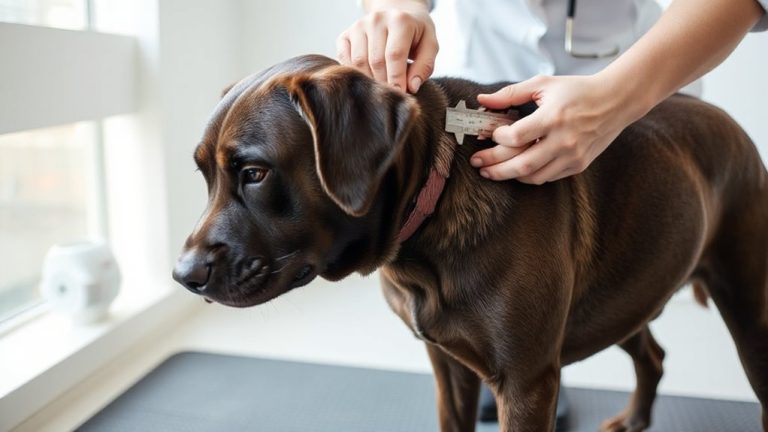
Paw health begins the moment you return from a walk on hot pavement. Perform a paw pad inspection immediately to detect burns, blisters, or inflammation. Examine each pad under bright light, checking for discoloration-redness indicates first-degree burns, while cracking or peeling signals second-degree damage. Swelling or moisture suggests deeper tissue injury. Simultaneously, conduct debris removal by splaying toes and scanning between pads. Use tweezers to extract embedded gravel, thorns, or glass particles-common after urban walks. A soft-bristled brush clears dirt from rugose pad surfaces without abrasion. Inspect nails for fractures or splinters, which can harbor bacteria. Delayed detection risks infection or lameness. Early intervention guarantees rapid recovery. Document abnormalities weekly to track healing. Repeat inspection daily until fully resolved. Proper technique prevents complications. Your vigilance maintains structural integrity and function. For effective and safe cleaning, consider using one of the top cleaning products for dogs recommended for paw care.
Rinse Paws After Hot Pavement Exposure
After your dog returns from a walk on scorching pavement, it’s essential to rinse their paws promptly to remove residual heat, dirt, and potential irritants. Rinse with cool, not cold, water at 60–70°F to avoid thermal shock and support effective paw cooling. Use a gentle stream for 30 to 60 seconds per paw, guaranteeing thorough heat dissipation from paw pads. This process protects sensitive epithelial tissue and reduces inflammation risk. Hydration tips include offering fresh water immediately after rinsing, as dogs lose fluids through panting during heat exposure. Guarantee your dog drinks at least 1 oz of water per pound of body weight daily. Avoid ice or refrigerated water-extreme cold can constrict blood vessels and impair healing. Proper rinsing aids thermoregulation and prepares paws for further care, minimizing long-term damage from repeated hot pavement exposure.
Clean off Grime With a Safe Paw Wipe
Once the heat has been rinsed from your dog’s paws, the next step is removing embedded grime that water alone can’t lift. Use a safe, alcohol-free paw wipe designed for canine use. These wipes contain mild surfactants that lift dirt without compromising skin integrity. Proper paw hygiene prevents infections from bacteria trapped in paw pad folds. Look for wipes labeled non-toxic and hypoallergenic-these meet high wipe safety standards. Wipes should have a pH between 6.2 and 7.4, matching your dog’s skin to avoid irritation. Each wipe should measure at least 7 x 8 inches for full coverage. Gently but thoroughly clean between pads and around nail beds. Dispose of wipes immediately after use to prevent ingestion. Reusable wipes are not recommended-they can harbor bacteria. Consistent use maintains long-term paw health. For reliable options, consider one of the top picks for dog wipes based on expert testing and safety criteria.
Dry Paws and Recheck for Irritation
Always dry your dog’s paws thoroughly after cleaning-an essential step to prevent moisture-related complications. Use a clean, absorbent towel to remove surface moisture, then gently pat between the toes to minimize fungal or bacterial growth in warm, damp crevices. Moist environments encourage pathogens; drying reduces this risk markedly. After drying, recheck each paw pad for redness, swelling, or cracking-signs of residual irritation. Examine the digital pads and metacarpal regions closely, as these bear the most weight and are prone to abrasion. If skin appears dry or flaky, you should moisturize regularly with a vet-approved balm designed for canine paw integrity. Never use human lotions. They often contain ingredients that compromise paw pad pH. Always avoid harsh chemicals in cleansers or wipes-they disrupt natural dermal barriers. Perform this routine post-walk to maintain long-term paw health. For effective and gentle cleaning, consider using one of the best dog paw cleaners recommended for sensitive canine skin.
Apply Healing Balm to Protect Sore Paws
A quality healing balm forms a protective barrier over sore or damaged paw pads, aiding recovery while shielding against environmental contaminants. Effective balm application guarantees deep absorption and best possible healing. Perform a gentle paw massage to increase circulation and enhance product penetration.
| Ingredient | Purpose |
|---|---|
| Beeswax | Locks in moisture; creates durable protective layer |
| Coconut oil | Soothes inflammation; possesses antimicrobial properties |
| Vitamin E | Promotes tissue regeneration; reduces oxidative stress |
Use 2–3 drops per paw, massaging thoroughly for 30 seconds. This stimulates blood flow and supports cellular repair. Balms with a melting point near body temperature (around 98.6°F) absorb most efficiently. Avoid products with artificial fragrances or parabens, which may cause irritation. Reapply every 12 hours until paw pads show visible improvement. Proper balm application complements cleaning and drying, completing a thorough paw care protocol.
On a final note
Always inspect your dog’s paws post-walk; look for redness, blisters, or limping. Pavement above 125°F (52°C) can burn paw pads in 60 seconds. Rinse with cool water at 60–70°F (15–21°C) for thorough debris and heat removal. Use hypoallergenic, alcohol-free wipes with chamomile or aloe for grime. Dry completely between toes. Apply a veterinary-approved balm with shea butter or beeswax to promote healing and form a protective barrier.