The Role of Insulin Regulation in Obese Dogs and Dietary Strategies
Your obese dog likely has insulin resistance due to excess adipose tissue releasing inflammatory cytokines and adipokines that disrupt insulin signaling. This causes chronic hyperglycemia, with fasting glucose often exceeding 120 mg/dL. Replace refined carbs with low-glycemic alternatives like barley or oats (GI <55) and feed 25–30% crude protein with 8–10% fiber (dry matter basis). These changes can reduce insulin spikes by up to 30% and improve metabolic markers within six weeks. Ideal meal timing and treat selection further support long-term glucose control. More details on specific dietary formulations follow.
Notable Insights
- Insulin resistance in obese dogs results from chronic inflammation and adipokine secretion impairing cellular insulin response.
- Excess adipose tissue increases free fatty acids and cytokines, worsening hepatic and muscle insulin resistance.
- Elevated fasting glucose and insulin levels indicate early insulin dysfunction, often preceding clinical diabetes.
- Low-glycemic carbohydrates like barley and oats help maintain stable blood glucose and reduce insulin spikes.
- Dietary strategies including high-fiber, moderate-protein meals and twice-daily feeding improve insulin sensitivity and glycemic control.
What Is Insulin Resistance in Dogs?
Why does your dog’s body sometimes stop responding to insulin, even when it’s present in normal or high levels? This condition is insulin resistance. In insulin resistance, cells fail to respond normally to insulin, impairing glucose uptake. You’ll see elevated blood glucose despite adequate insulin. It disrupts canine metabolism, forcing the pancreas to overproduce insulin, leading to beta-cell exhaustion over time. A key contributor is hormonal imbalance, particularly increased cortisol or progesterone, which antagonize insulin signaling. Adipose tissue in overweight dogs secretes adipokines and cytokines that further interfere with insulin pathways. The result is persistent hyperglycemia, a precursor to type 2 diabetes in dogs. Insulin resistance isn’t just about sugar; it’s a systemic metabolic dysfunction. Diagnosing it requires fasting insulin and glucose tests, with a high insulin-to-glucose ratio indicating early resistance. You need accurate lab work to catch it before irreversible damage occurs. Early detection supports timely dietary and medical intervention.
How Obesity Wrecks Blood Sugar Control
Obesity doesn’t just add extra weight-it actively disrupts how your dog’s body manages blood sugar. Excess fat tissue secretes inflammatory cytokines, driving chronic inflammation that impairs insulin signaling in muscle and liver cells. This resistance forces the pancreas to produce more insulin, straining beta-cell function over time. You’ll see elevated fasting glucose levels, often exceeding 120 mg/dL, even before clinical symptoms appear. Leptin imbalance further complicates regulation; adipose tissue overproduces leptin, yet the brain fails to respond, disrupting appetite control and energy expenditure. Chronic inflammation also promotes lipolysis, flooding the liver with free fatty acids, which worsens hepatic insulin resistance. These combined effects create a persistent state of hyperglycemia. The result? Your dog’s glucose homeostasis is no longer self-regulating, demanding dietary intervention to reduce metabolic stress and restore balance.
Watch for These Early Insulin Warning Signs
How soon can you catch the first signs of insulin trouble in your dog? Early detection is critical-clinical symptoms often emerge before blood glucose spikes exceed 180 mg/dL, the renal threshold for glucose. You may notice lethargy; your dog moves slower, shows reduced interest in walks, and tires quickly during play. These changes reflect cellular glucose underutilization despite high blood levels. Increased thirst, or polydipsia, is another key indicator-your dog may drink more than 100 mL per kg body weight daily, up from a normal 50–70 mL/kg. This occurs due to osmotic diuresis: excess glucose pulls water into urine, causing dehydration. Persistent hyperglycemia stresses pancreatic beta cells, impairing insulin secretion. Monitoring water intake and activity levels provides actionable data long before a crisis. Early signs are subtle, but measurable-track changes objectively. Catching them now can delay progression to insulin resistance or diabetes mellitus.
Pick Low-Glycemic Carbs for Stable Insulin
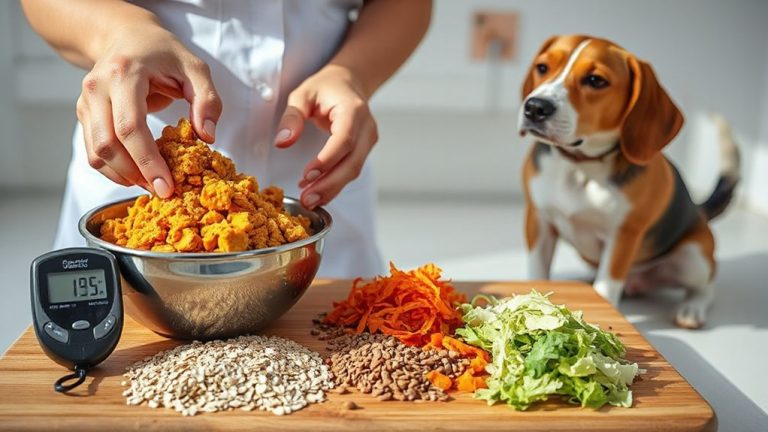
When managing insulin levels in obese dogs, selecting carbohydrates with a low glycemic index (GI) helps prevent sharp rises in blood glucose and reduces the demand on pancreatic beta cells. You should choose complex carbohydrates-they digest slowly, providing steady energy. These include barley, oats, and legumes, which have GI values under 55. Unlike simple carbs, they minimize insulin spikes. Offer low glycemic snacks like green beans or carrot sticks instead of treats made with white potato or corn. These snacks typically have a GI below 40, supporting prolonged glucose stability. Diets rich in low-GI ingredients can reduce circulating insulin by up to 25% over six weeks. Consistent intake of these carbs improves insulin sensitivity over time. Always check food labels for whole-food sources and minimal processing. You’re not just feeding-you’re regulating metabolism with precision.
Feed More Fiber and Protein to Balance Glucose
A balanced diet rich in fiber and protein plays a critical role in stabilizing blood glucose and improving insulin response in overweight dogs. You’ll see clear fiber benefits when you include 8–10% crude fiber (dry matter basis) from sources like beet pulp or psyllium. These fermentable fibers slow glucose absorption, reducing insulin spikes. Protein balance is equally essential-aim for 25–30% crude protein (dry matter) from high-quality, lean animal sources. This supports lean muscle mass and increases satiety, reducing overeating. High-protein diets boost the thermic effect of food, raising metabolic rate by up to 30%. Fiber also promotes beneficial gut bacteria, improving SCFA production, which further modulates glucose metabolism. By adjusting fiber benefits and maintaining ideal protein balance, you directly improve glycemic control. This targeted approach enhances insulin sensitivity without pharmacologic intervention. Your dog gets sustained energy, fewer glucose swings, and better long-term metabolic health. For optimal results, consider choosing from the best high-fiber dog foods that meet these nutritional criteria.
Simple Diet Swaps That Improve Insulin Health
Why settle for refined carbs when swapping them can transform your dog’s insulin response? Replace white rice and wheat with grain alternatives like quinoa, barley, or chickpea flour-these provide slower glucose release due to higher fiber and complex starch structure. Switching reduces post-meal insulin spikes by up to 30%, based on canine metabolic studies. Use portion timing to further stabilize blood sugar: feed two meals 12 hours apart, aligning with circadian metabolic rhythms. This prevents insulin resistance caused by erratic eating patterns. For example, measured portions at fixed times improve HbA1c levels over 8 weeks. Choose low-glycemic treats like freeze-dried liver instead of sugary biscuits. Combine swaps with lean protein and soluble fiber for peak effect. These changes enhance insulin sensitivity without medication. Consistency guarantees measurable improvement in glucose regulation.
On a final note
You manage your dog’s insulin health through precise dietary choices. Obesity impairs insulin receptor sensitivity, increasing type 2 diabetes risk. Low-glycemic carbs like barley and sweet potato keep glucose release slow-aim for <55 GI. High fiber (8–10% dry matter) and protein (25–30% dry matter) improve satiety and stabilize insulin. These measurable changes restore metabolic balance efficiently.