Preventing Hot Spots: A Guide to Managing Canine Skin Allergies and Irritation
You can prevent hot spots by managing underlying causes like fleas, allergies, and moisture. Use monthly flea prevention such as spinosad or imidacloprid-one bite triggers reactions lasting up to 125 days. Clip matted fur, clean skin folds daily, and dry thoroughly after bathing. Feed a hydrolyzed or novel protein diet for 8–12 weeks to rule out food allergies. Maintain skin integrity with pH-balanced cleansers and ceramide conditioners. Consistent care cuts recurrence by up to 70%. The full approach reveals how each factor interlinks.
Notable Insights
- Keep skin dry and clean, especially in skin folds, after bathing or swimming to prevent bacterial growth.
- Clip and clean affected areas promptly using mild antiseptic to stop hot spot progression.
- Use monthly flea prevention to avoid allergic reactions that can trigger hot spots.
- Feed a hydrolyzed or novel protein diet for 8–12 weeks to identify and eliminate food allergens.
- Perform weekly skin checks and maintain coat hygiene to catch irritation early and reduce recurrence.
What’s Causing Your Dog’s Hot Spots?
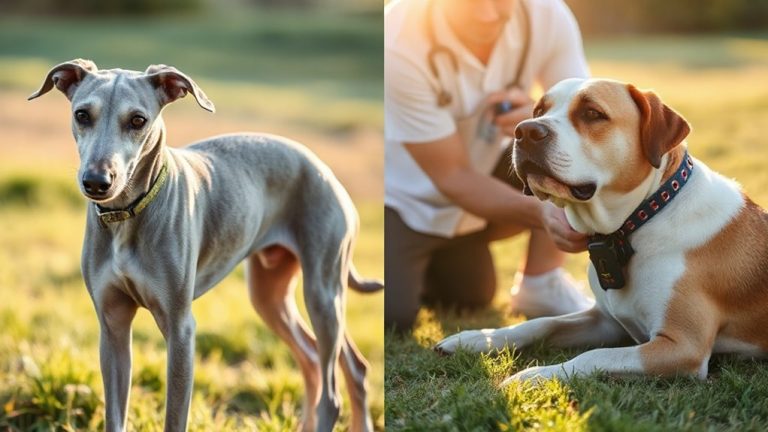
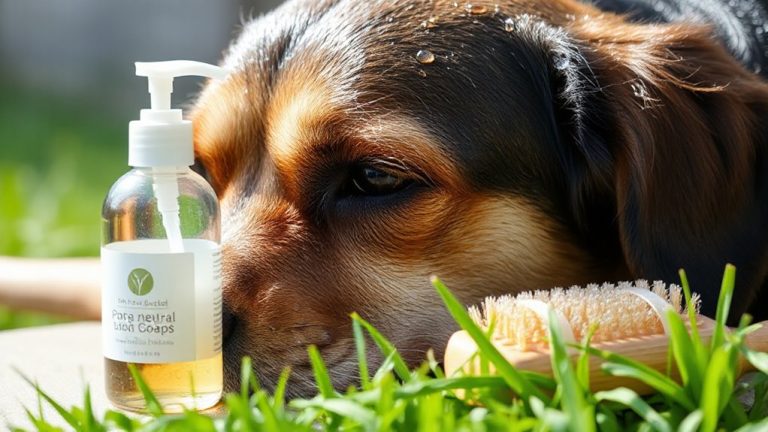
Why does your dog keep developing hot spots? Bacterial infections are a primary cause, often stemming from Staphylococcus pseudintermedius, which infiltrates broken skin. Moisture, matted fur, or insect bites create entry points. Once established, these infections proliferate rapidly in warm, humid microenvironments against the skin. Environmental irritants also play a significant role-pollen, dust mites, mold, and chemical cleaners trigger allergic dermatitis, compromising the epidermal barrier. This inflammation increases sebum production, further promoting bacterial colonization. Breeds with dense coats or skin folds-like Golden Retrievers or Bulldogs-are at higher risk due to decreased air circulation. Hot spots develop within hours under these conditions, progressing from erythema to exudative lesions. Prevention requires mitigating exposure to known irritants and maintaining skin integrity. Regular grooming, allergen-controlled environments, and prompt drying after bathing disrupt the conditions conducive to bacterial overgrowth. Using a soothing best dog shampoo for itchy skin can help alleviate irritation and support the skin’s natural barrier.
Catch Hot Spots Early: Know the Warning Signs
Where do you notice your dog scratching most? Early detection of hot spots begins with monitoring frequent scratching, licking, or biting in localized areas. These behaviors often signal underlying irritation before visible damage occurs. Visual cues include small red patches, matted fur, or warm skin-early indicators of inflammation. A hot spot can expand rapidly, sometimes growing over 1 inch in diameter within hours. The affected area typically feels warm to the touch and may exude moisture. Immediate inspection after outdoor activity increases detection accuracy, especially in breeds with dense coats. Moist microenvironments under matted fur promote bacterial proliferation, accelerating lesion development. Check ears, hips, and limbs-common sites for hot spots. Recognizing subtle changes within the first 4–6 hours markedly improves management outcomes. Early detection reduces treatment complexity, limits secondary infection risks, and supports faster recovery.
Treat It Now: Soothe Hot Spots at Home
How quickly can you respond when you spot a developing hot spot? Immediate action reduces infection risk and accelerates healing. Start by gently clipping fur around the area to prevent moisture trapping. Cleanse the site with a mild antiseptic solution twice daily.
| Treatment | Application Method | Frequency |
|---|---|---|
| Aloe vera gel (100% pure) | Apply thin layer | Every 8 hours |
| Coconut oil (organic, unrefined) | Rub sparingly into edges | Twice daily |
| Cold compress | 5 minutes, wrapped in cloth | As needed for swelling |
Aloe vera soothes inflammation due to its glycoproteins and reduces redness. Coconut oil contains lauric acid, which has antimicrobial properties that deter secondary infection. Avoid alcohol-based or scented products. Keep the area dry and monitor for worsening symptoms. Never bandage tightly-hot spots need airflow. Early home treatment controls progression while you prepare for veterinary evaluation. Adding a high-quality omega-3 supplement can support skin health from within, and many of the best options contain dog supplements for itchy skin.
Cut Off the Triggers: Food, Fleas & Allergens
While you can treat a hot spot once it appears, stopping the underlying triggers is essential to prevent recurrence. Flea prevention is non-negotiable-use a topical or oral insecticide such as spinosad or imidacloprid monthly, as fleas can survive up to 125 days without feeding. Just one bite can provoke an allergic reaction. Allergens hide in food, environment, and parasites. Start Food elimination if you suspect dietary sensitivity. Switch to a hydrolyzed protein or novel protein diet-like venison or duck-for 8 to 12 weeks with no treats or supplements. Blood tests for food allergies are unreliable; elimination is the gold standard. Atopic dermatitis from pollen or dust mites requires allergen-specific immunotherapy, but identifying triggers cuts flare-ups by up to 70%. Remove triggers systematically: vacuum weekly, wash bedding at 130°F, and use air purifiers with HEPA filters. Supporting your dog’s immune response with best vitamins for dogs with allergies can also help reduce skin sensitivity and promote healing.
Stop Recurrence: Daily Skin Protection Habits
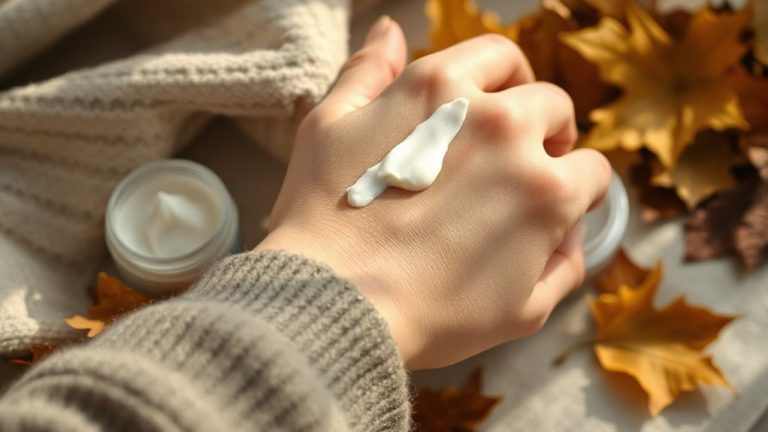
A daily skincare routine is your dog’s first line of defense against hot spot recurrence. Consistent coat conditioning supports the skin’s lipid barrier, reducing irritation and minimizing susceptibility to infection. Use a pH-balanced, hypoallergenic moisturizer formulated for canine skin, which typically ranges from 6.2 to 7.5. Moisture control is critical-excess humidity fosters bacterial growth, particularly in double-coated breeds. After bathing, thoroughly dry skin folds, underarms, and tail bases with a low-heat dryer. Limit water exposure to 5–10 minutes during baths to prevent maceration. Apply leave-in conditioners containing ceramides or fatty acids twice weekly. Avoid over-conditioning, which can clog pores and disrupt natural sebum production. Implement weekly skin inspections, checking for early signs of redness or swelling. These practices, grounded in dermatological science, provide measurable protection-reducing recurrence rates by up to 70% when followed consistently.
On a final note
You can control your dog’s hot spots with prompt action and consistent care. Early detection reduces healing time by up to 50%. Use a 2% chlorhexidine solution to clean affected areas twice daily. Combine topical treatments with oral antibiotics if prescribed. Eliminate allergens: switch to a hydrolyzed protein diet with at least 85% digestibility. Use flea preventives containing 9.7% imidacloprid and 0.5% permethrin monthly. Maintain skin health with omega-3 supplements delivering 1,000 mg EPA/DHA daily.