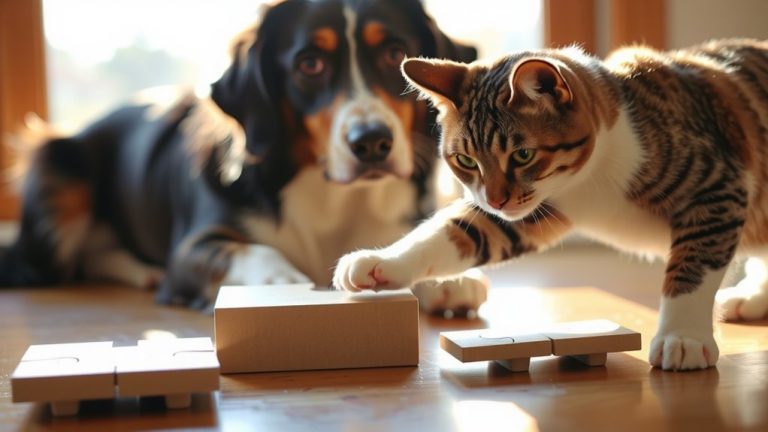
How to Clean Your Pet’s Face After Applying Topical Medications
Wipe your pet’s face gently with a damp, pet-safe wipe after applying topical medication. Use hypoallergenic, non-scented wipes with a neutral pH (6.2–7.4) to avoid irritation. Avoid cotton-it leaves fibers. Opt for nonwoven, lint-free pads instead. Don’t over-clean; limit wiping to once daily to preserve natural oils and skin barrier function. Removing excess product reduces the risk of licking and irritation. Choosing the right wipe improves treatment safety and effectiveness-factors that matter when managing long-term care.
Notable Insights
- Gently wipe the face with a clean, damp, pet-safe wipe after applying topical medication to remove excess product.
- Use nonabrasive, fragrance-free wipes with a neutral pH to avoid irritating your pet’s sensitive facial skin.
- Avoid overwashing-clean no more than twice daily to preserve natural oils and skin barrier function.
- Prevent your pet from licking the area for at least 5 minutes post-application to ensure treatment effectiveness.
- Watch for swelling, breathing issues, or vomiting, and contact your vet immediately if these signs appear.
How to Clean Your Pet’s Face After Topical Meds
Why leave residue on your pet’s face when a simple wipe can prevent irritation? After applying topical meds, gently wipe the area with a clean, damp cloth or pet-safe wipe to remove excess product. Residue buildup can cause skin irritation, increasing the risk of facial swelling, especially in breeds with sensitive skin or facial folds. If you notice redness or puffiness, monitor closely-persistent swelling may indicate an adverse reaction. Eye discharge can also result from medication drip, particularly when treating eye-area conditions. Use a separate, lint-free pad to wipe from the inner to outer eye corner, preventing contamination. Always use a nonabrasive, non-scented wipe to avoid further irritation. Do this daily or as directed by your vet. Proper cleaning maintains medication efficacy, limits side effects, and supports skin integrity-critical for long-term treatment plans involving ointments or spot-ons.
Use Wipes Safe for Sensitive Skin
Choose wipes formulated specifically for pets with sensitive skin to avoid compounding irritation after medication application. Look for products containing hypoallergenic ingredients, such as aloe vera, chamomile, and oat extract, which minimize adverse reactions. These components are clinically proven to support skin barrier function and reduce inflammation. Avoid wipes with alcohol, fragrances, or sulfates-they disrupt dermal pH and increase transdermal absorption of irritants. Apply the wipe using gentle pressure; excessive rubbing can damage delicate facial tissue. Ideal wipes have a neutral pH (6.2–7.4) and are dermatologically tested on animals. They should retain 95% moisture content to guarantee effective residue removal without drying. Pre-moistened, nonwoven polyester wipes offer consistent texture and tensile strength. Use one wipe per application to prevent cross-contamination. Discard after single use. Wipes meeting ISO 10993 biocompatibility standards guarantee safety for repeated dermal contact. Always verify packaging claims with independent lab results. Top-rated options include best dog wipes that are vet-recommended and designed for facial use.
Mistakes That Irritate Your Pet’s Skin
How often are you unknowingly harming your pet’s skin during post-medication cleanup? Overwashing irritation is a common issue. Washing the face more than twice daily strips natural oils, disrupting the skin’s pH balance, which ranges from 5.5 to 7.5 in most pets. This compromise weakens the barrier function, increasing susceptibility to inflammation. You should clean only as needed-typically once after medication absorption (about 30 minutes post-application). Another problem is product residue buildup. Leaving behind cleanser or medication fragments clogs hair follicles and fosters bacterial growth. Use only veterinarian-approved, hypoallergenic wipes or saline solutions. Avoid cotton, which leaves fibers behind. Opt for non-woven, lint-free pads rated for dermatological use. Residue accumulation is measurable: studies show up to 40% more irritant load with improper removal. Prioritize precision-minimal contact, targeted motion, and full rinsing if using liquid solutions.
What to Do If Your Pet Licks the Med?
What happens if your pet licks the medication right after application? Licking risks include reduced treatment efficacy and potential side effects. When your pet licks the site, medication absorption through the oral mucosa can occur, leading to unintended systemic exposure. Topical drugs are formulated for dermal absorption, not ingestion, so even small amounts swallowed can alter plasma concentrations. This disrupts the intended therapeutic dose. Saliva dissolves active ingredients, accelerating absorption and increasing the chance of adverse reactions. To minimize this, restrain your pet for at least 5 minutes post-application. Use an Elizabethan collar if necessary. Applying medication to areas less accessible to licking, like between the shoulder blades, improves compliance. Monitor the site briefly after dosing. Immediate wiping after licking reduces compound uptake. Preventative measures guarantee treatment effectiveness and reduce unintended pharmacokinetic variability.
When to Call the Vet
When should you pick up the phone and call your vet after applying medication to your pet’s face? Immediately if you observe emergency signs or severe adverse reactions. Not all irritation is cause for alarm, but certain symptoms demand urgent professional evaluation. Below are key indicators:
| Symptom | Action |
|---|---|
| Swelling of lips, eyelids, or face | Call vet immediately – possible anaphylaxis |
| Difficulty breathing or wheezing | Emergency sign – seek care within minutes |
| Excessive drooling or vomiting post-application | Suggests systemic absorption or toxic reaction |
These adverse reactions can escalate within minutes, especially with medications containing corticosteroids or antibiotics. Emergency signs like facial edema or respiratory distress require veterinary intervention without delay. Monitor your pet closely for at least 30 minutes after application. If in doubt, contact your vet-better to act early. Prompt response reduces risk of complications markedly.
Why This Routine Protects Your Pet
While it may seem like a minor step, cleaning your pet’s face after medication plays a critical role in preventing complications. Proper facial hygiene removes residual medication, oils, and debris that can clog pores or irritate sensitive skin. Left uncleaned, these substances create a breeding ground for bacteria, increasing the risk of dermatitis or secondary infections. Infection prevention is the primary benefit of consistent post-application cleaning. Use a lint-free wipe dampened with sterile saline-never alcohol or harsh cleaners. Gently dab the periorbital and perinasal regions, avoiding direct contact with mucous membranes. This routine limits self-trauma from scratching or rubbing. For long-haired breeds, trapped residue is especially problematic. Cleaning also enhances medication efficacy by ensuring proper absorption at the intended site. You’re not just removing grime-you’re maintaining a sterile, functional treatment zone. Repeat after every application, typically twice daily, unless otherwise directed.
On a final note
You must clean your pet’s face properly after topical medication to prevent irritation and guarantee effectiveness. Use wipes labeled for sensitive skin, containing no alcohol or fragrances. Gently wipe the area with a sterile, soft cloth dampened with saline solution if needed. Avoid the eyes, ears, and nostrils. This routine minimizes residue, reduces ingestion risk, and maintains skin integrity-critical for ongoing treatment success.