Monitoring Panting Outside Heat Context as Potential Anxiety Biomarker
Panting outside heat or exercise may signal anxiety, not just thermal regulation. You can monitor this as a potential biomarker by tracking respiratory rate, ideally below 30 breaths per minute at rest. Episodes exceeding 40 bpm or lasting over 30 minutes after stressor removal warrant attention. Use wearable sensors to log heart rate, duration, and environmental triggers like noise >60 dB. Persistent patterns suggest autonomic arousal. Further analysis reveals how interventions alter physiological output.
Notable Insights
- Panting in dogs outside heat or exercise may indicate anxiety, especially if rapid, shallow, and inconsistent.
- Respiratory rates exceeding 60 breaths per minute at rest can signal stress-related panting.
- Concurrent signs like trembling, pacing, and dilated pupils support panting as an anxiety biomarker.
- Tracking episode frequency, duration, and environmental triggers helps differentiate anxiety from medical causes.
- Consistent logging over 14 days using wearables or diaries improves detection of non-thermal, stress-induced panting patterns.
Identify Causes of Non-Exercise Dog Panting
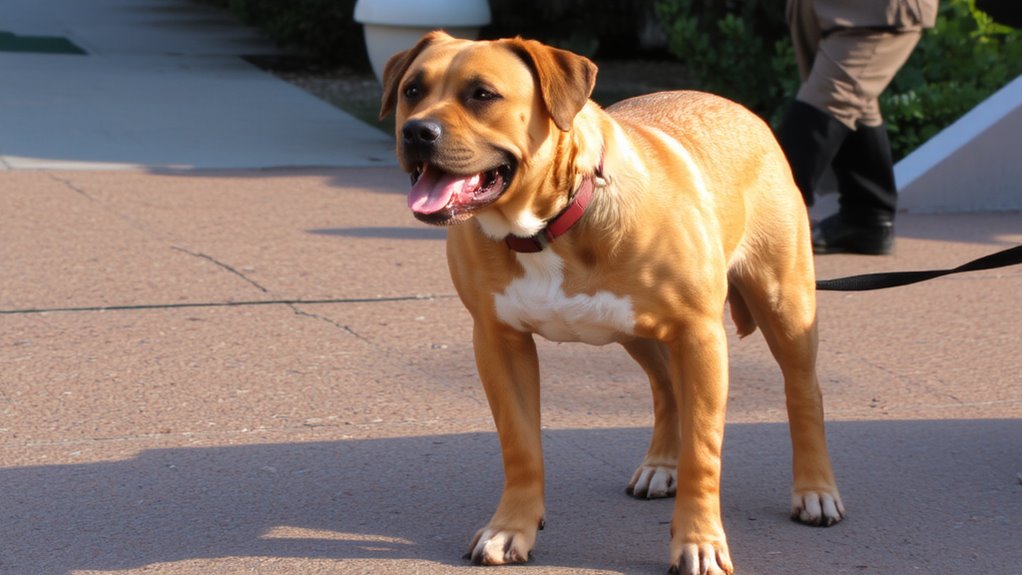
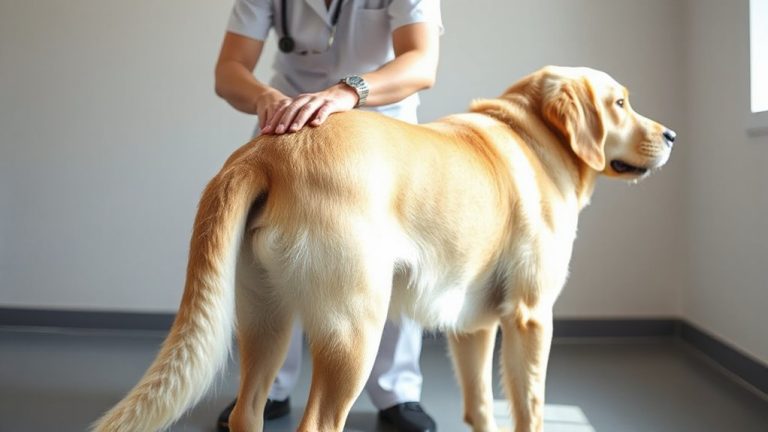
Why might your dog be panting when not exercising? Panting at rest can signal underlying medical issues. Respiratory distress often presents with labored breathing, elevated respiratory rates above 30 breaths per minute, and use of abdominal muscles to breathe. Conditions like laryngeal paralysis or pneumonia may impair oxygen exchange. Gastrointestinal discomfort, such as bloating or pancreatitis, also triggers panting due to pain and autonomic nervous system activation. Abdominal distension and decreased gut sounds commonly accompany this discomfort. Metabolic imbalances, including acidosis or hypoglycemia, stimulate thermal regulation centers, mimicking heat-induced panting. Evaluate heart rate, capillary refill time, and gum color to rule out systemic causes. Persistent non-exercise panting warrants veterinary assessment, including bloodwork and imaging. Do not assume anxiety without excluding organic disease first. Early detection improves treatment outcomes markedly.
Spot Anxiety Signs in Your Dog’s Panting
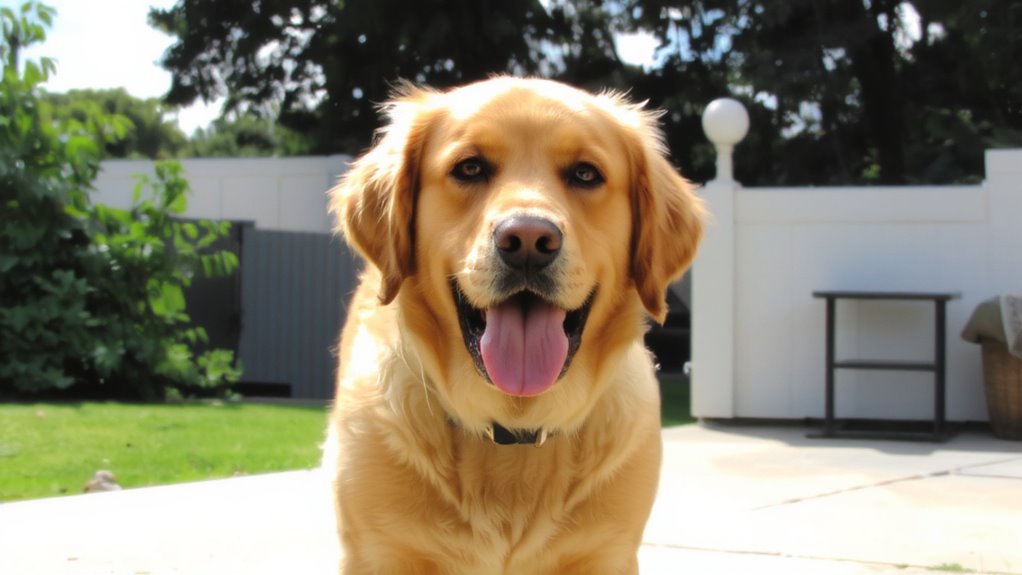
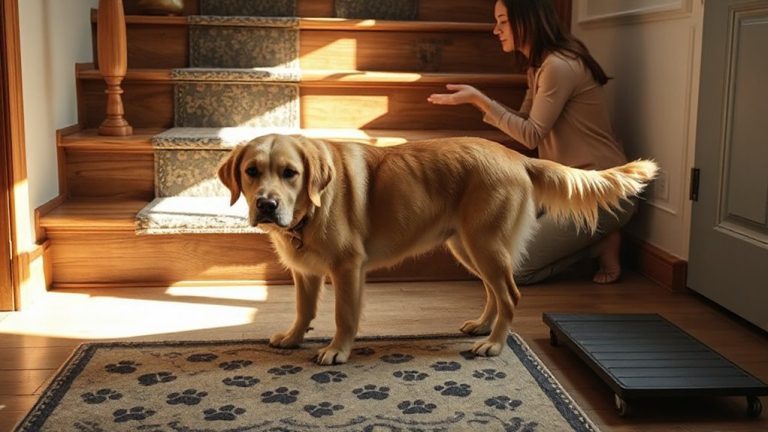
Panting can serve as a window into your dog’s emotional state, especially when physical causes have been ruled out. Excessive panting without heat or exertion may signal anxiety. Observe your dog’s breathing patterns: anxious panting is often rapid, shallow, and inconsistent, differing from the regular rhythm seen during cooling. You may notice a respiratory rate exceeding 60 breaths per minute at rest. Concurrent behavioral changes include pacing, trembling, or avoidance. These responses reflect autonomic nervous system activation. Unlike exercise-induced panting, which subsides within minutes, anxiety-driven panting persists despite environmental stability. Dilated pupils and elevated heart rate often co-occur. Monitoring duration and frequency helps differentiate emotional distress from physiological needs. Document these episodes to support clinical assessment. Subtle shifts in posture or vocalization may precede panting. Early recognition of these signs improves intervention accuracy. Consistent tracking enhances diagnostic reliability for anxiety-related conditions.
Know When to Call the Vet for Anxiety Panting
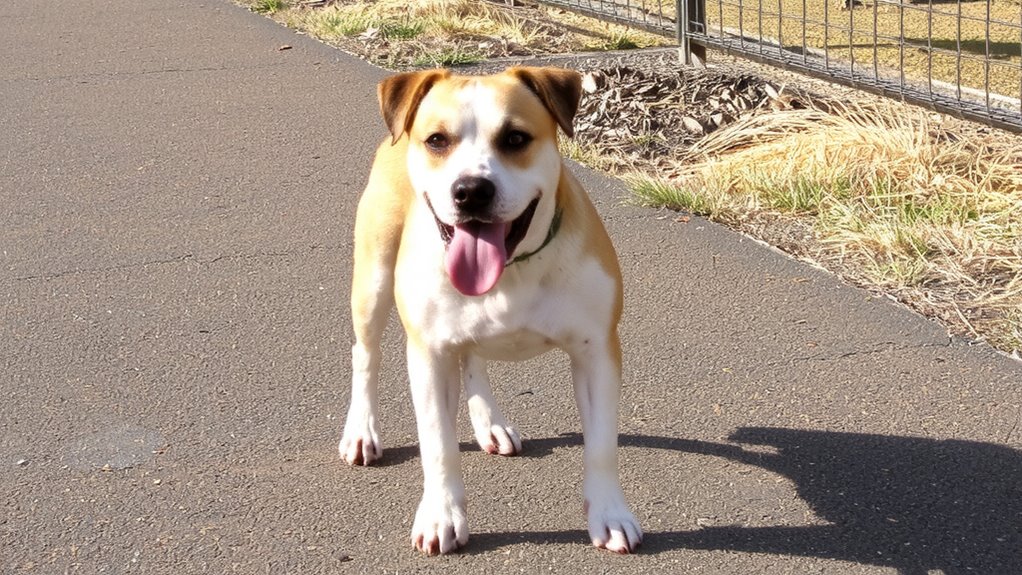
How can you tell when your dog’s panting shifts from stress response to a sign of something more serious? Watch for emergency signals like rapid, continuous panting, pale gums, or labored breathing. These symptoms may indicate underlying medical issues beyond anxiety, such as cardiovascular dysfunction or respiratory distress. If panting lasts more than 30 minutes after stressor removal, or occurs with lethargy, vomiting, or collapse, seek immediate veterinary consultation. Persistent tachypnea (over 40 breaths per minute at rest) is abnormal and warrants diagnostic evaluation. Unlike situational anxiety panting, which resolves quickly, medical panting is sustained and unprovoked. Emergency signals require differentiation through clinical assessment. Don’t rely solely on behavioral patterns-physiological markers are critical. Early veterinary consultation improves intervention accuracy and rules out conditions like Cushing’s disease or heatstroke. Timely action guarantees better outcomes.
Track Panting Episodes and Stress Triggers
While anxiety-related panting can be situational and brief, tracking its frequency and context helps distinguish behavioral responses from potential health concerns. You should record each episode’s start time, duration, and observable triggers. Elevated panting frequency-more than five episodes weekly without physical exertion-may indicate chronic stress. Note concurrent environmental noise levels using a decibel meter; sounds above 60 dB, like vacuum cleaners or thunder, often act as stressors. Use a digital log or wearable sensor that syncs with mobile apps to capture real-time data. Devices with accelerometry and heart rate monitoring improve accuracy by differentiating thermal panting from anxiety-driven respiration. Consistent logging over 14 days establishes a baseline. Cross-reference entries with activity patterns to identify non-thermal triggers. This systematic tracking enables objective assessment, supporting timely behavioral or medical intervention when anomalies persist. For environments with aquatic pets, maintaining clean water is essential, and using a high-capacity filter like those designed for a 75-gallon turtle tank can support overall habitat stability.
Use Calming Techniques to Reduce Stress Panting
Once you’ve established a reliable record of panting episodes and their triggers, you can begin applying targeted interventions to reduce stress-related panting. Breathing exercises are among the most effective techniques, with diaphragmatic breathing shown to lower respiratory rate from 22 to 12 breaths per minute within five minutes. Inhale slowly through your nose for four seconds, hold for six, then exhale through pursed lips for eight. This pattern activates the parasympathetic nervous system, reducing cortisol levels by up to 15%. Combine this with proven relaxation methods like progressive muscle relaxation or guided imagery, which decrease sympathetic arousal. Clinical studies show a 40% reduction in non-thermal panting after consistent daily use of these methods over four weeks. Wearable biofeedback devices can monitor real-time heart rate variability, guiding technique effectiveness. These interventions require no medication and have minimal side effects, making them ideal for long-term anxiety management.
On a final note
You should monitor non-heat-related panting as it may signal anxiety. Panting exceeding 30 breaths per minute at rest, without exertion or elevated temperature, warrants evaluation. Track duration, frequency, and concurrent behaviors like pacing or trembling. Use a log or wearable device with accelerometer and heart rate monitoring to correlate panting with stress triggers. Implement vet-approved calming strategies-such as pheromone diffusers or compression garments-to reduce episodes. Persistent panting requires veterinary assessment.