Comparing Commercial Raw, Freeze-Dried, and Traditional Kibble Diets for Dogs
You want the best for your dog, and diet plays a critical role. Raw food offers high digestibility (up to 92%) and bioavailable nutrients but carries bacterial risks and costs $5–$8 per pound. Freeze-dried food retains 98% of raw nutrition, lasts up to 25 years, and rehydrates quickly, costing $3–$6 per pound. Kibble is affordable ($1–$3 per pound) and convenient but loses up to 20% of nutrients during processing and often contains fillers. Each option varies in safety, nutrient density, and handling needs-knowing the trade-offs helps determine the right choice for your dog’s health and your lifestyle.
Notable Insights
- Raw diets offer high digestibility and bioavailable nutrients but require strict handling to avoid bacterial risks.
- Freeze-dried food retains nearly all raw nutrition, with longer shelf life and easier storage than fresh raw.
- Kibble is cost-effective and convenient but loses some nutrients during high-heat processing.
- Raw and freeze-dried diets support better coat, energy, and digestion compared to traditional kibble.
- Kibble often contains fillers and allergens, while raw and freeze-dried options emphasize species-appropriate, minimal-ingredient formulas.
Why Your Dog’s Diet Matters More Than You Think
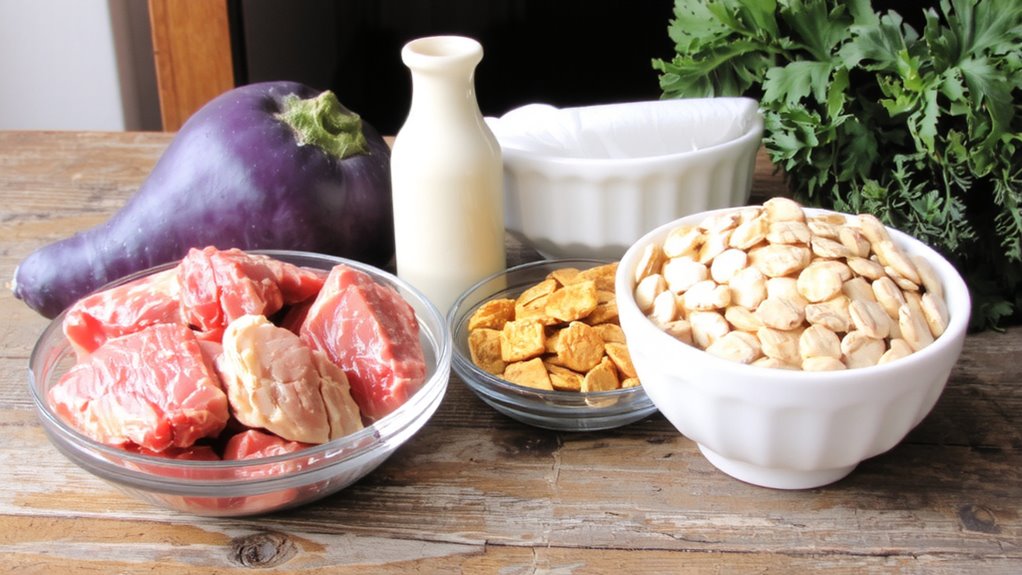
Why are so many dogs overweight, lethargic, or prone to chronic illness despite regular vet visits? You’re feeding processed food high in fillers and low in bioavailable nutrients. Poor diet directly compromises gut health, reducing nutrient absorption and increasing inflammation. A dog’s digestive tract relies on balanced microbiota; without it, digestion falters and toxins enter the bloodstream. This weakens immune support, making your dog more susceptible to infections and autoimmune disorders. Studies show dogs on nutritionally inadequate diets have 30% lower IgA antibody levels, impairing mucosal defense. Chronic carbohydrate overload from kibble spikes insulin, promoting fat storage and metabolic dysfunction. You need food with species-appropriate protein (minimum 22% crude protein), healthy fats (8–15%), and prebiotic fibers like FOS to fuel gut health. Ideal nutrition isn’t about calories-it’s about cellular function. What you feed determines organ performance, disease resistance, and longevity. Your dog’s health starts in the bowl.
Raw Dog Food: Benefits, Risks, and What to Know
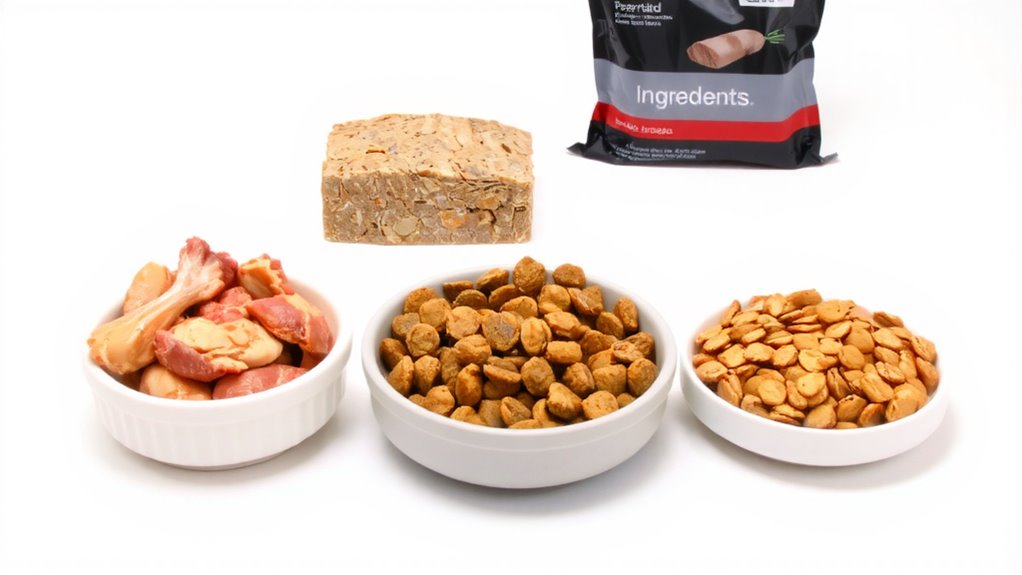
Raw dog food diets aim to mirror the nutritional intake of canines’ wild ancestors, emphasizing unprocessed animal tissue, bones, and organs. You may observe improved coat condition and increased energy due to high bioavailable nutrients. These diets often support better digestive health because they contain natural enzymes and minimal fillers. However, there’s no standardized formulation, so nutrient imbalances can occur. Raw diets carry a risk of bacterial contamination, including Salmonella and Listeria, which endanger both dogs and humans. The FDA reports 150+ pet food recalls linked to pathogen contamination since 2010, mostly in raw products. You must practice strict hygiene when handling raw food. Use stainless steel bowls and disinfect surfaces after feeding. Store raw food at or below 40°F and thaw in refrigeration. Despite perceived benefits, the risks demand careful evaluation. Consider veterinary guidance before switching.
Freeze-Dried Dog Food: The Raw Alternative
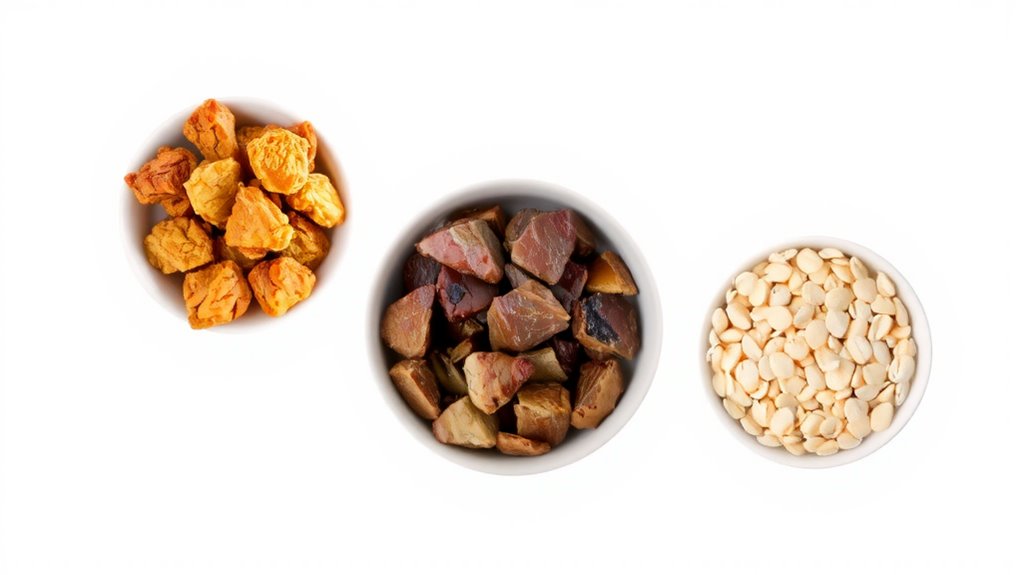
While you may seek the nutritional benefits of raw dog food without the handling risks, freeze-dried options offer a safe and convenient alternative. Freeze-drying removes moisture through sublimation under vacuum conditions, typically reducing water content to 2–3%, which inhibits bacterial growth. You retain raw-like nutrition with minimal processing degradation. Most brands preserve enzymes, vitamins, and proteins effectively across 12–24 months when stored properly. Rehydration restores natural texture-add one part warm water to one part food and wait 5–10 minutes. The kibble-like dry texture before mixing supports dental abrasion; post-rehydration, it mimics raw’s soft consistency. You’ll find formulas nutritionally balanced to AAFCO standards, with protein levels ranging from 30–40% on a dry matter basis. Portion control is precise, and spoilage risk is low. You avoid freezer dependency yet deliver a raw-form meal with predictable safety and shelf stability.
Kibble for Dogs: What’s Really in It?
What exactly goes into the kibble you pour into your dog’s bowl each morning? Commercial kibble typically contains a mix of proteins, carbohydrates, and fats, often derived from byproducts and plant-based fillers. Ingredient sourcing varies widely-some brands use human-grade materials, while others rely on feed-grade byproducts. Low-cost formulations may include corn, soy, or wheat, which are common triggers for dog allergies. Processing involves high-heat extrusion, which improves shelf life but can degrade heat-sensitive nutrients.
| Component | Common Source | Purpose |
|---|---|---|
| Protein | Chicken meal, soy | Muscle maintenance |
| Carbohydrates | Corn, rice | Energy source |
| Fats | Animal fat, fish oil | Skin/coat health |
| Preservatives | Mixed tocopherols | Prevent rancidity |
| Additives | Vitamins, minerals | Balance nutritional gaps |
Always check labels for transparency in ingredient sourcing and potential allergens.
How These Diets Compare Nutritionally?
You’ve seen what goes into kibble, from rendered proteins to refined grains and added synthetics-but how does that stack up against other feeding options on a nutritional level? Raw and freeze-dried diets offer higher nutrient density due to minimal processing. Their proteins, fats, and enzymes remain biologically intact, closely matching a dog’s natural dietary needs. Kibble’s high-heat processing degrades some nutrients, requiring synthetic supplementation to meet AAFCO standards. Ingredient sourcing is critical: raw and freeze-dried diets often use human-grade meats, whereas kibble relies on by-product meals and plant-based fillers. Freeze-dried options retain 98% of original nutrients when rehydrated, while kibble loses up to 20% during extrusion. Nutrient density directly correlates with bioavailability-raw diets show up to 92% digestibility versus 75–80% in kibble. Ingredient sourcing impacts safety and consistency; USDA-inspected facilities provide traceability absent in many rendered ingredients.
Cost, Convenience, and Safety Compared
Since nutrient integrity isn’t the only factor shaping your decision, examining cost, convenience, and safety gives a complete picture of each diet’s practicality. Raw diets often carry the highest budget impact-typically $5–$8 per pound-due to handling protocols and cold chain logistics. Freeze-dried versions cost $3–$6 per pound rehydrated, offering longer storage longevity (up to 25 years unopened) but require careful rehydration. Kibble is most economical, averaging $1–$3 per pound, with storage longevity of 6–12 months in airtight containers.
| Diet Type | Budget Impact & Storage Longevity |
|---|---|
| Raw | High cost; refrigerated shelf life: 2–5 days |
| Freeze-Dried | Moderate to high cost; storage longevity: up to 25 years |
| Kibble | Low budget impact; storage longevity: 6–12 months |
How to Pick the Best Dog Food for Your Pet
How do you determine which diet aligns best with your dog’s biological needs and your household’s logistical limits? Start by evaluating your dog’s age, breed, activity level, and health status. Commercial raw diets offer high nutrient bioavailability but require strict storage at or below 40°F and careful handling to prevent bacterial contamination. Freeze-dried options rehydrate easily and retain 98% of original nutrients, suiting owners seeking raw benefits with fewer safety risks. Kibble supports longer shelf life-typically 12 months unopened-and lower cost per calorie. Consider your dog’s taste preferences; some reject bland formulas, impacting compliance. Adjust feeding frequency based on metabolism: large breeds benefit from two meals daily to reduce bloat risk, while puppies need three to four. Match formulation to lifestyle, ensuring crude protein content meets energy demands-minimum 18% for adults, 22% for active dogs.
On a final note
Your dog’s diet directly impacts long-term health and energy. Raw and freeze-dried diets offer high moisture and biologically appropriate nutrients, with 18–22% crude protein and minimal processing. Kibble provides convenience but often contains 25–30% starch. All must meet AAFCO nutrient profiles. Cost ranges from $2–$6 per pound. Proper handling prevents pathogen exposure. Select based on veterinary guidance, life stage, and individual metabolic needs.