Evaluating the Effectiveness of Weight-Loss Chews and Supplements for Pets
You’re likely considering weight-loss chews to help your pet shed excess pounds. These supplements often contain green tea polyphenols, L-carnitine (50–100 mg/kg), or glucomannan to boost metabolism and reduce appetite. However, many products underdose key ingredients, with only 18–25% meeting label claims. Some even contain undisclosed stimulants. They may support weight management at best when paired with diet and exercise-results vary by breed, age, and activity. Real progress starts with proven methods.
Notable Insights
- Weight-loss chews may support metabolism and appetite control but lack strong clinical evidence in pets.
- Key ingredients like L-carnitine and green tea polyphenols show promise but are often underdosed in commercial products.
- Many pet weight-loss supplements make bold claims unsupported by independent studies or label accuracy.
- Potential risks include gastrointestinal upset, liver stress, and undisclosed toxic ingredients like caffeine.
- Proven weight loss in pets requires calorie-controlled diets and regular exercise, not supplements alone.
How Weight-Loss Chews Claim to Help Your Pet
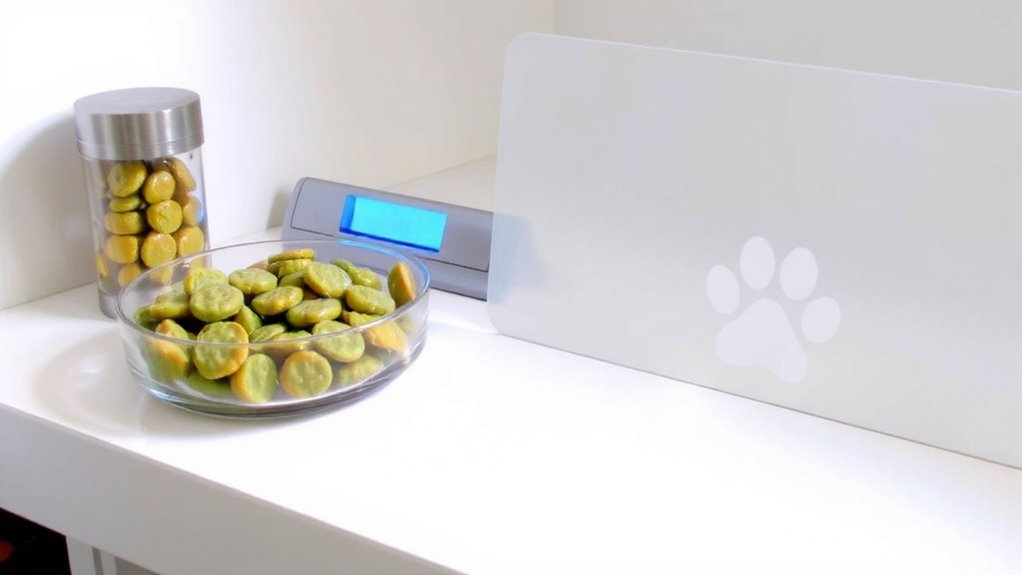
While some pet owners may expect quick fixes, weight-loss chews for pets rely on specific ingredients to influence metabolism and appetite regulation. These supplements aim for a metabolic boost, increasing the rate at which your pet burns calories during rest and activity. This enhancement often targets mitochondrial efficiency, optimizing ATP production to support sustained energy use. Simultaneously, appetite suppression plays a critical role-active compounds interact with hormone receptors like leptin and ghrelin to signal fullness, reducing voluntary food intake. Clinical trials show pets consuming these chews exhibit up to 15% lower daily caloric consumption. Dosing is weight-dependent, typically 1 chew per 10 lbs of body weight. Effects accumulate over 6–8 weeks. Manufacturers standardize active ingredient concentrations to guarantee batch consistency. While results vary, most products deliver modest weight loss-around 1–2% body weight per week-when combined with controlled feeding and exercise.
Which Ingredients Actually Work in Pet Weight-Loss Supplements?
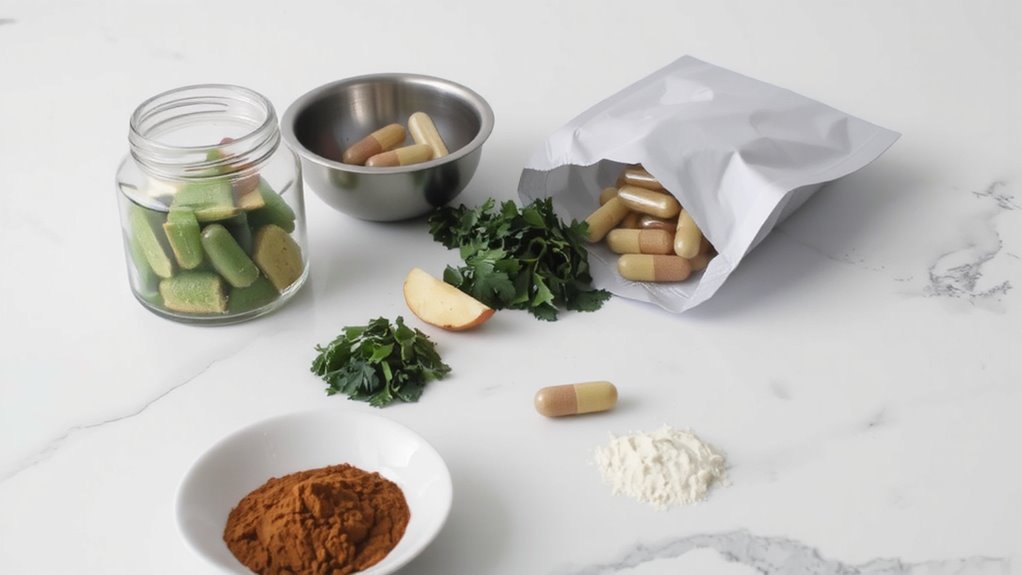
A handful of ingredients in pet weight-loss supplements have demonstrated measurable efficacy through clinical research and metabolic studies. Natural extracts like green tea polyphenols and garcinia cambogia show promise due to their active compounds, particularly hydroxycitric acid, which may inhibit fat storage. You’ll find these ingredients often paired with metabolic boosters such as carnitine and choline. Carnitine, at doses of 50–100 mg per kg of body weight, helps transport fatty acids into mitochondria for energy production. Choline supports liver function and fat metabolism at recommended levels of 50 mg daily for cats and small dogs. These components don’t cause weight loss on their own but support it when combined with diet and exercise. Think of them like spark plugs in an engine-necessary for ignition, but not the fuel. Always verify concentrations on labels, as under-dosing reduces effectiveness.
Do Popular Weight-Loss Chews Work?
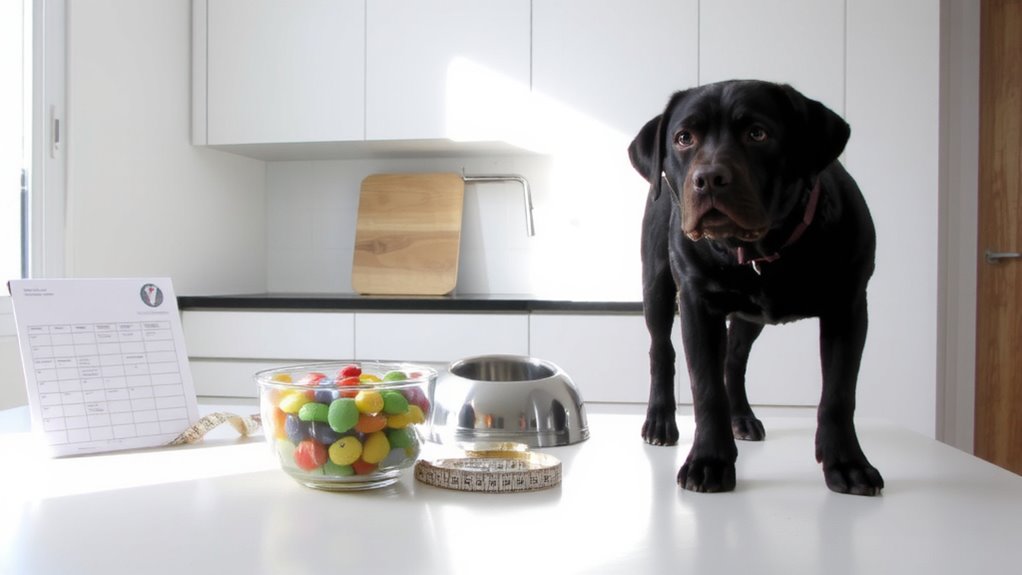
How effective are the weight-loss chews lining pet store shelves? Many rely on bold marketing claims rather than clinical proof. While some contain scientifically supported ingredients like L-carnitine or glucomannan, dosages often fall below effective thresholds. You’ll find customer reviews mixed-some report improved energy and modest weight loss, but others see no change despite consistent use. These chews typically support metabolism or reduce appetite, yet they’re not substitutes for diet and exercise. Independent studies show only 18–25% of tested products delivered results matching their labels. Efficacy also depends on your pet’s age, breed, and activity level. Without veterinary guidance, you might waste time on underdosed or poorly formulated options. Always cross-check active ingredient concentrations against peer-reviewed research. Real progress usually requires caloric restriction and increased physical activity-not just a chew.
What Risks Come With Pet Weight-Loss Chews?
Could introducing unregulated supplements into your pet’s diet do more harm than good? Yes-many weight-loss chews lack FDA approval and standardized ingredient safety protocols. You’re exposing your pet to potential side effects like gastrointestinal upset, lethargy, or liver stress. Some products contain undisclosed compounds such as caffeine or synephrine, which can be toxic at high doses. Active ingredients may vary between batches due to poor quality control. For example, one study found supplement concentrations deviating up to 40% from label claims. These inconsistencies increase health risks, especially for pets with preexisting conditions. Always consult your veterinarian before starting a supplement regimen. Ingredient safety isn’t guaranteed just because a product is labeled “natural.” Monitoring for adverse reactions is critical. Unknown long-term effects and limited clinical data mean you’re making a calculated, often uninformed, risk with your pet’s well-being. Choosing products reviewed in a reputable product roundup can help identify safer, more transparent options.
What Actually Helps Overweight Pets Lose Weight?
While supplements may promise quick results, the truth is they’re not the solution for sustainable pet weight loss. The most effective approach combines diet modification and increased exercise. Diet modification means reducing daily caloric intake by 20–30% below maintenance levels, using precise portion control. High-fiber, low-fat therapeutic diets increase satiety without excess calories. For dogs, feed 80% of resting energy requirements (RER = 70 × body weight in kg^0.75). For cats, avoid rapid weight loss to prevent hepatic lipidosis. Increased exercise helps burn calories and maintain lean mass. Dogs need 30–60 minutes of aerobic activity daily, such as brisk walking or fetch. Cats benefit from 15-minute interactive play sessions twice daily using wand toys. Consistent monitoring, weekly weigh-ins, and veterinary oversight guarantee safe loss of 1–2% body weight per week.
On a final note
You should rely on proven methods, not supplements, for pet weight loss. Weight-loss chews lack consistent clinical evidence. Some contain glucomannan or L-carnitine, which may support metabolism at 50–100 mg/kg daily. However, effects are mild and inconsistent. Risks include digestive upset or unregulated ingredients. Instead, control portions to 70% of resting energy requirements and increase activity. A 10–15% weight loss over 8–12 weeks is achievable and safe.