The Connection Between Gut Health and Behavioral Issues in Dogs and Cats
Your pet’s gut health直接影响 behavior through the gut-brain axis. Gut microbes produce neurotransmitters like serotonin-90% of which comes from the gut-using strains such as *Lactobacillus* and *Bifidobacterium*. Inflammation from dysbiosis raises cytokines that alter brain function, triggering anxiety or aggression. Diets high in processed ingredients, stress, and antibiotics disrupt microbial balance. Probiotics (5–10 billion CFUs daily) and prebiotics like FOS support stability. Behavioral changes often precede physical signs, revealing underlying gut issues. Solutions start with diet, timing, and targeted supplementation-effective interventions are within reach.
Notable Insights
- The gut-brain axis links gut health to behavior via neural, immune, and hormonal signals.
- Gut microbes produce neurotransmitters like serotonin, influencing mood and anxiety in pets.
- Dysbiosis can lead to inflammation and leaky gut, triggering behavioral issues such as aggression or anxiety.
- Probiotics and prebiotics support a balanced microbiome, improving both digestion and behavior.
- Sudden behavioral changes may signal underlying gut problems, often appearing before physical symptoms.
How Gut Health Shapes Your Pet’s Behavior
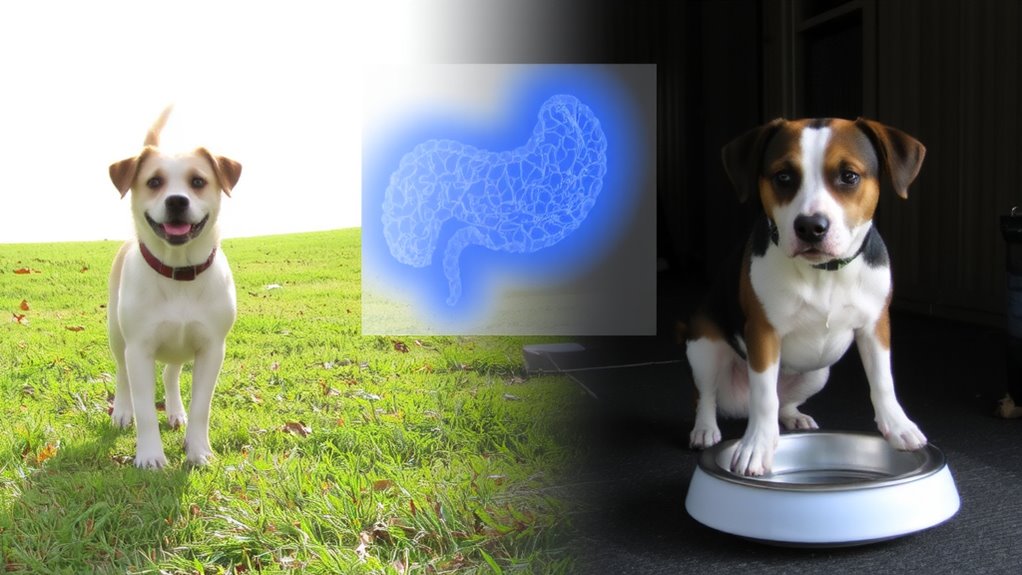
Why might your pet’s gut be calling the shots when it comes to behavior? Because the gut-brain axis directly links gastrointestinal function to neurological responses. A microbiome imbalance disrupts this communication, reducing beneficial bacteria like Lactobacillus and increasing harmful pathogens. This shift promotes digestive inflammation, triggering immune responses that release pro-inflammatory cytokines into the bloodstream. These molecules can cross the blood-brain barrier, altering neurotransmitter production-especially serotonin, 90% of which is made in the gut. Chronic inflammation impairs neural signaling, potentially affecting mood and reactivity. You’ll see subtle changes in temperament before obvious physical symptoms. Probiotic supplementation with at least 10 billion CFUs daily helps restore microbial balance. Specific strains like Bifidobacterium animalis have shown measurable reductions in inflammatory markers within two weeks. Addressing gut health isn’t just about digestion-it’s foundational to stable behavior. For dogs struggling with yeast infections, incorporating the best probiotics for dogs with yeast infections can further support gut and overall health.
Behavior Red Flags That Point to Gut Problems
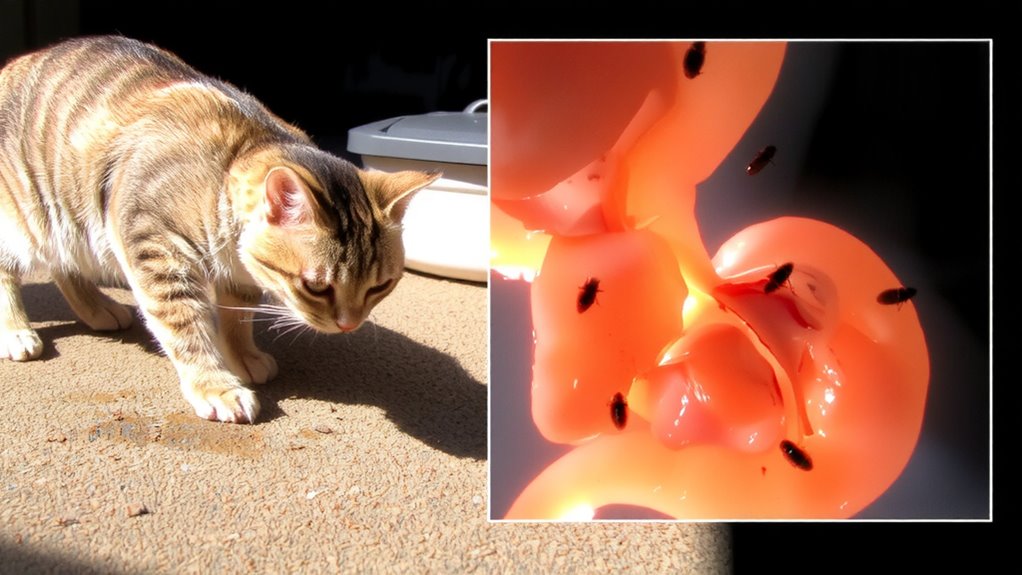
Could your pet’s sudden moodiness or aggression signal an underlying digestive issue? Yes-behavioral changes often reflect gut distress. Food aggression, for instance, isn’t always dominance; it can stem from nutrient malabsorption due to imbalanced gut flora. When your pet’s microbiome lacks beneficial bacteria like Lactobacillus or Bifidobacterium, digestion falters, increasing irritability. Anxiety spikes frequently coincide with gastrointestinal discomfort. Clinical studies show dogs with chronic gut dysbiosis exhibit 40% more stress-related behaviors. Look for pacing, restlessness, or sudden aggression during feeding. These behaviors may indicate inflammation linked to leaky gut syndrome, where intestinal permeability allows toxins into the bloodstream, affecting neural function. Persistent diarrhea or vomiting supports this correlation. Monitoring stool consistency-using a 1–7 Bristol scale-is a practical indicator. If behavioral shifts align with digestive symptoms, consider gut health a primary factor. Early intervention improves outcomes. Supporting your pet’s microbiome with best probiotics for dogs can help manage yeast overgrowth and allergic responses, promoting both digestive and behavioral wellness.
How the Gut-Brain Axis Works in Pets
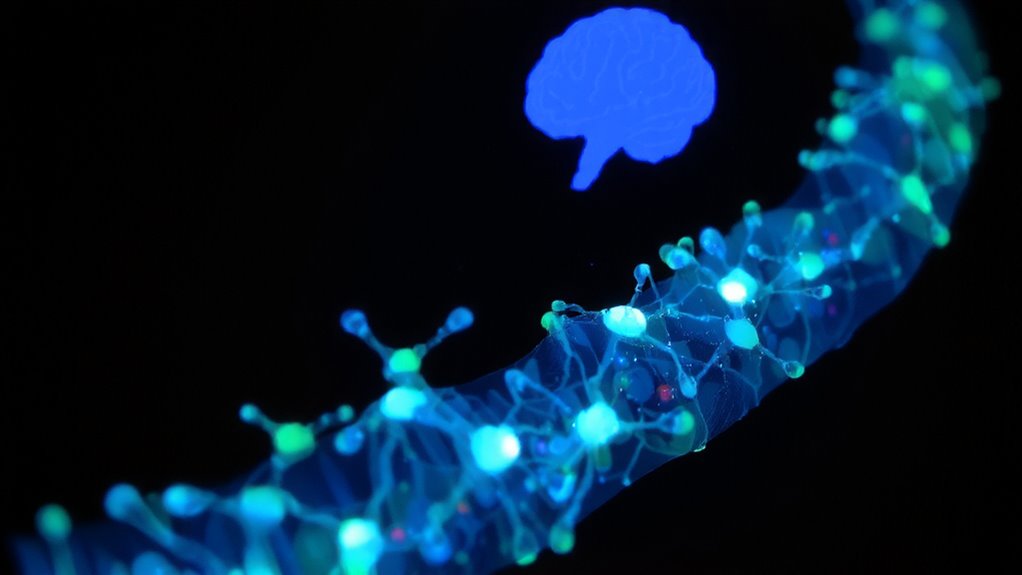
Your pet’s gut does more than digest food-it communicates directly with the brain through a network known as the gut-brain axis. This bidirectional system relies on neural signaling via the vagus nerve, which transmits data between gut and brain in milliseconds. Gut microbes produce neurotransmitters like serotonin and GABA, influencing mood and behavior. A stable microbiome balance guarantees effective production of these compounds. Disruptions in microbial populations alter metabolite profiles, affecting neural signaling pathways. Short-chain fatty acids (SCFAs), such as butyrate, modulate inflammation and strengthen the blood-brain barrier. Up to 90% of serotonin is synthesized in the gut, dependent on specific bacterial strains like Lactobacillus and Bifidobacterium. These microbes ferment dietary fiber into signaling molecules. The enteric nervous system, with over 100 million neurons, operates semi-independently. It integrates immune, endocrine, and neural inputs to regulate behavior. Maintaining microbiome balance supports consistent neural signaling in pets.
Diet, Stress, and Antibiotics: What Harms Your Pet’s Gut
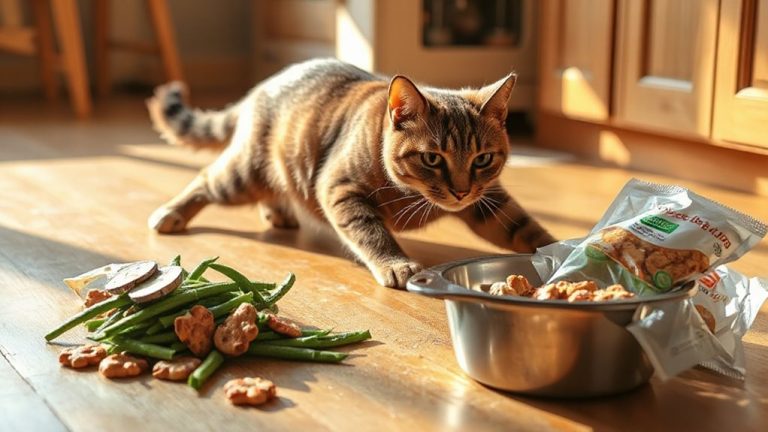
What if the root of your pet’s irritability or anxiety isn’t behavioral-but biological? Poor gut health may be the culprit. Diets high in processed ingredients disrupt microbial balance, exacerbating food allergies and increasing toxin exposure from intestinal byproducts. Artificial preservatives and fillers reduce microbial diversity, weakening gut barrier integrity. Stress elevates cortisol, which alters gut motility and decreases beneficial Lactobacillus populations by up to 50% in clinical studies. Antibiotics, while sometimes necessary, indiscriminately kill commensal bacteria, creating openings for pathogens like Clostridium. Without intervention, dysbiosis persists for weeks post-treatment. Chronic toxin exposure from a compromised gut lining triggers systemic inflammation, linked in peer-reviewed research to increased anxiety-like behaviors in pets. Even mild food allergies can amplify neural inflammation via the gut-brain axis. You can’t ignore these triggers-each directly undermines neurological and digestive equilibrium essential for behavioral stability.
Best Probiotics and Prebiotics for Pets
A healthy gut ecosystem starts with deliberate microbial support through targeted supplementation. You should choose probiotics containing strains like *Lactobacillus rhamnosus*, *Bifidobacterium longum*, and *Enterococcus faecium*, each proven to enhance microbial diversity in pets. Look for products with at least 5–10 billion CFUs per dose to guarantee effective colonization. Prebiotics such as fructooligosaccharides (FOS) and inulin feed beneficial bacteria, promoting stable gut function. Always pair supplements with gut testing to identify deficiencies and track progress objectively. This testing reveals which microbial groups are underrepresented, allowing you to tailor supplementation precisely. Combined, probiotics and prebiotics improve gut barrier integrity, reducing systemic inflammation linked to behavioral issues. You’ll find maximum benefit when using time-released formulations that survive stomach acid. Consistency matters-daily dosing for at least four weeks yields measurable improvements in microbial diversity and overall gut health. For pets also dealing with weight concerns, incorporating a vet-approved weight management supplement can support metabolic health and enhance the effects of gut-targeted therapies.
Real-Life Behavior Improvements After Fixing Gut Health
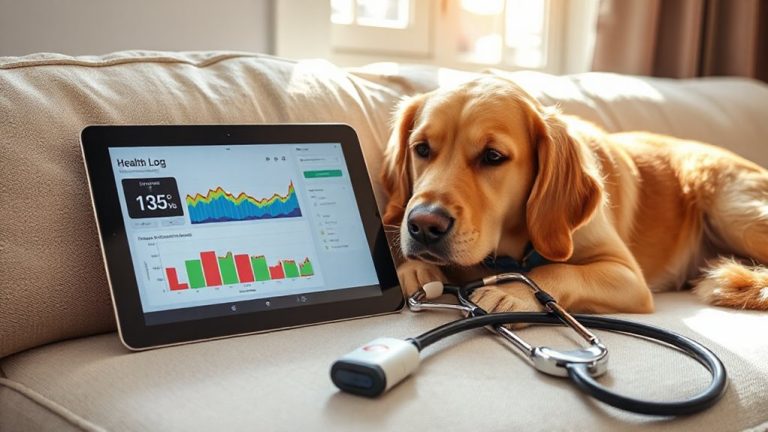
How quickly can behavioral changes appear once gut health is addressed? Owners often report noticeable improvements within 2–6 weeks. Food trials help identify intolerances by systematically eliminating and reintroducing ingredients. You should conduct each trial for at least 8 weeks to guarantee accurate results. Symptom tracking increases reliability-record behaviors like aggression, anxiety, or compulsive licking daily. Use a standardized scale to measure intensity and frequency. Clinical studies show 68% of dogs with anxiety display reduction in symptoms after gut balance is restored. Cats show fewer urine marking incidents and reduced irritability. These changes coincide with microbiome stabilization, confirmed via fecal PCR testing. Behavioral improvements correlate with lowered systemic inflammation and balanced neurotransmitter production, particularly serotonin. You don’t need dramatic interventions-consistent, measured adjustments yield reliable outcomes.
7 Easy Ways to Improve Your Pet’s Gut Health
You’ve seen how gut health influences behavior, with noticeable shifts emerging within weeks of dietary adjustments. Start by enhancing your pet’s diet with fermented foods like plain kefir or raw sauerkraut-begin with 1 teaspoon per 20 pounds of body weight daily to introduce beneficial bacteria. Probiotic strains such as *Lactobacillus acidophilus* and *Bifidobacterium animalis* support microbial balance. Pair this with prebiotic fiber sources like chicory root or pumpkin (1 tablespoon per 10 lbs) to fuel gut flora. Hydration habits are equally critical-ensure constant access to fresh water, and consider adding electrolyte supplements (sodium: 20–50 mg/100 kcal) for ideal intestinal motility. Feed a species-appropriate, minimally processed diet with high moisture content, especially for cats. Avoid artificial additives known to disrupt the microbiome. Consistency in feeding times and portion control stabilizes digestion. These evidence-based steps enhance microbial diversity, improving both gut function and behavioral outcomes.
On a final note
You can improve your pet’s behavior by addressing gut health. The gut-brain axis directly links digestive function to neurological signaling. Imbalances in microbiota alter neurotransmitter production, including serotonin and GABA, affecting mood and behavior. Probiotic strains like *Lactobacillus rhamnosus* and prebiotic fibers such as FOS restore microbial balance. Daily supplementation, combined with a low-inflammatory diet, yields measurable improvements in anxiety and aggression within 4–6 weeks.