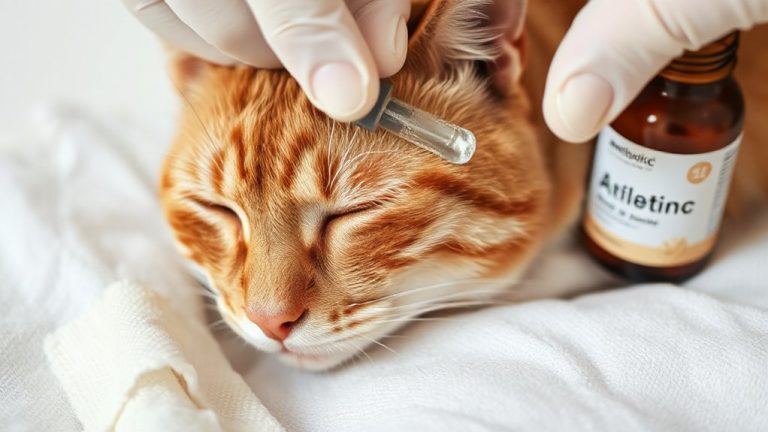
The Link Between Obesity and Feline Diabetes: Dietary Prevention Strategies
Your indoor cat’s sedentary lifestyle and obesity increase diabetes risk by promoting insulin resistance through chronic inflammation and impaired insulin signaling. Excess adipose tissue releases cytokines that disrupt metabolic function, while high-carbohydrate dry foods cause blood glucose spikes. Feed wet food with <10% carbs on a dry matter basis and split daily calories-20–30 kcal per pound of body weight-into two to three meals. Offer treats under 5 calories each, no more than twice daily. You’ll discover effective feeding routines that sustain long-term metabolic health.
Notable Insights
- Obesity in cats promotes insulin resistance through chronic inflammation and impaired insulin signaling.
- Excess adipose tissue releases cytokines that disrupt insulin receptor function and glucose uptake.
- Feeding wet food with low carbohydrates helps minimize blood glucose spikes and supports glycemic control.
- Portion control using measured meals prevents overfeeding and maintains stable glucose and insulin levels.
- Limiting treats to under 10% of daily calories reduces excess caloric intake and diabetes risk.
Why Indoor Cats Are More Likely to Develop Diabetes
An indoor lifestyle increases your cat’s risk of developing diabetes due to reduced physical activity and tightly controlled, often calorie-dense, feeding routines. Your cat’s activity levels are typically 40–60% lower indoors compared to outdoor counterparts, reducing glucose utilization. Limited space restricts natural behaviors like climbing and hunting, decreasing daily caloric expenditure by approximately 25%. Reduced movement correlates with insulin resistance over time. You may notice changes in litter box habits, such as increased urination volume-often exceeding 40 ml/kg/day-indicating early polyuria. These shifts can precede clinical diabetes. Indoor cats also experience fewer environmental stimuli, further suppressing metabolic rate. Controlled feeding schedules, while beneficial for routine, often rely on high-carbohydrate dry foods, contributing to prolonged blood glucose elevation. You should monitor both activity levels and litter box habits closely, as they serve as measurable, early indicators of metabolic dysfunction.
Obesity, Insulin Resistance, and Feline Diabetes
While not every overweight cat develops diabetes, obesity dramatically increases the risk by promoting chronic insulin resistance. Excess adipose tissue triggers inflammation and hormonal imbalance, impairing insulin receptor function. Your cat’s pancreas must overproduce insulin to maintain glucose control, eventually leading to beta-cell exhaustion. Genetic predisposition further influences susceptibility, with certain breeds like Burmese at higher risk. Below are key factors linking obesity to feline diabetes:
| Factor | Role in Diabetes Development | Clinical Impact |
|---|---|---|
| Adipose inflammation | Releases cytokines disrupting insulin signaling | Reduces glucose uptake by cells |
| Hormonal imbalance | Alters leptin and adiponectin levels | Promotes insulin resistance |
| Pancreatic stress | Increases insulin demand | Leads to beta-cell dysfunction |
| Sedentary lifestyle | Contributes to weight gain | Exacerbates metabolic dysfunction |
| Genetic predisposition | Influences metabolic efficiency | Elevates diabetes risk in predisposed cats |
Weight management is critical to reducing disease onset.
Wet Food vs. Dry: What’s Best for Blood Sugar?
You can control your cat’s blood sugar more effectively by choosing the right type of food, and understanding the nutritional differences between wet and dry options is a key part of that strategy. Wet food typically has a much lower carbohydrate content-often below 10% on a dry matter basis-compared to dry food, which can exceed 30%. Lower carbohydrate content helps minimize blood glucose spikes. Wet food also supports more consistent feeding frequency, allowing you to divide daily calories into multiple small meals that mimic natural eating behavior. This steady intake helps maintain stable insulin levels. Dry food, while convenient, promotes overeating and less frequent meals due to its energy density and higher starch levels. The increased water content in wet food aids satiety and supports metabolic health. Adjusting feeding frequency with low-carbohydrate wet food improves glycemic control. For optimal results, consider selecting a high-quality best dry cat food that aligns with your cat’s metabolic needs.
How Proper Portions Prevent Insulin Resistance
How much should your cat actually eat each day? Proper portion control is essential to prevent insulin resistance. Overfeeding, even high-quality food, leads to weight gain and metabolic stress. Most adult cats need 20–30 kcal per pound of body weight daily, depending on activity level and metabolism. Split this into measured meals to maintain stable blood glucose. Consistent meal frequency-ideally two to three times daily-supports metabolic rhythm. Irregular feeding can disrupt insulin sensitivity over time. Use a calibrated measuring cup or digital scale for accuracy; estimating leads to excess intake. Portion control isn’t just about quantity-it’s about aligning energy intake with energy needs. When portions match requirements, fat accumulation slows, reducing adipose tissue inflammation that contributes to insulin resistance. Properly sized, timed meals are a cornerstone of feline metabolic health and long-term diabetes prevention.
Low-Calorie Treats That Reduce Diabetes Risk
Because every calorie counts in managing your cat’s metabolic health, choosing low-calorie treats is a critical step in reducing diabetes risk. Opt for treats under 5 calories each to avoid excess energy intake. Freeze-dried chicken or fish pieces (0.5–2 calories per 0.5-gram cube) offer protein without surplus fat. Vegetable-based snack alternatives like small pumpkin or steamed green bean fragments provide fiber, promoting satiety. Avoid high-carbohydrate treats-those with over 10% carbs increase glucose spikes. Practice precise treat timing: limit offerings to two scheduled intervals daily to regulate insulin demand. Distribute no more than 10% of your cat’s daily caloric intake in treats. Use measured portions-never free-feed. Consistency in treat timing stabilizes blood glucose, mimicking the metabolic effects of structured meal patterns. Low-calorie snacks, combined with portion control, directly support insulin sensitivity and long-term glycemic control in cats.
On a final note
You can markedly reduce your cat’s diabetes risk through precise dietary management. Obesity impairs insulin receptor sensitivity, increasing blood glucose. Feed measured portions of high-protein, low-carbohydrate wet food-typically 5–7 oz daily, divided into two meals. This supports stable glycemia. Avoid free-feeding dry kibble, which often contains over 30% carbohydrates. Use vet-approved, <5-calorie treats. Consistent feeding routines improve insulin efficiency, much like calibrated fuel delivery optimizes engine performance.