How to Brush a Dog With a Smooth, Short Coat Like a Boxer
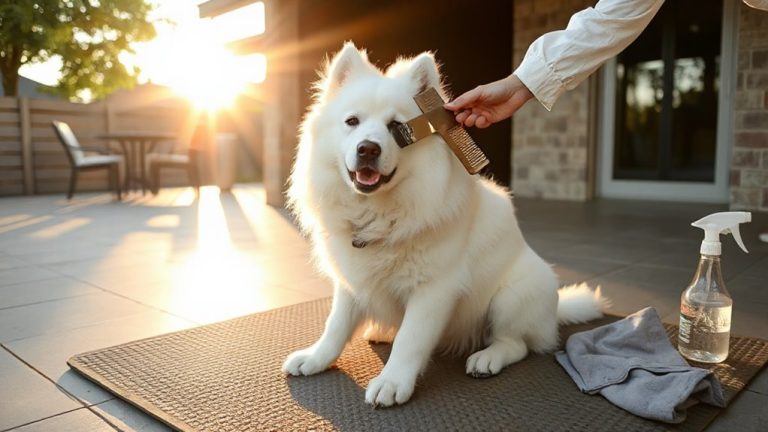
Use a firm bristle brush with 1.5 to 2-inch natural boar bristles or a TPR rubber curry brush to groom your Boxer. Brush every one to two weeks, applying 1 to 2 newtons of pressure in the direction of hair growth. This removes debris, distributes natural oils, and supports skin health. Work in small sections for full coverage, keeping sessions under 10 minutes. You’ll learn about advanced techniques and problem detection with consistent practice.
Notable Insights
- Use a firm bristle or rubber curry brush to effectively remove debris and distribute natural oils.
- Brush every one to two weeks, increasing to weekly during heavy shedding seasons.
- Always brush in the direction of hair growth using moderate pressure to avoid skin irritation.
- Focus on common problem areas like ears, groin, and underarms to detect early signs of skin issues.
- Limit sessions to 5–10 minutes in a calm environment to keep your dog comfortable and cooperative.
Why Brushing Your Boxer’s Coat Matters
Your boxer’s short coat might seem low-maintenance, but regular brushing remains essential. It supports healthy skin and optimizes coat texture by evenly distributing natural oils. Without routine grooming, dead hair accumulates, trapping moisture and increasing infection risk. Brushing removes debris and prevents clogged follicles, directly influencing coat resilience and shine. The correct brush pressure guarantees effective cleaning without damaging the epidermis. Apply light, consistent strokes-excessive pressure can irritate thin skin, especially along the abdomen and inner thighs. Most short coats require only 1–2 brushing sessions weekly, using a soft-bristle or rubber curry in circular motions. This technique lifts loose hairs while stimulating blood flow in the dermis. Proper grooming also offers early detection of lumps, rashes, or parasites. Maintaining coat integrity isn’t just cosmetic-it reflects systemic health, supports thermoregulation, and reduces allergens in your home environment.
Best Brushes for Boxers and Short-Coated Dogs
A well-chosen brush makes all the difference when grooming short-coated dogs like Boxers. The right tool effectively removes loose hair and distributes skin oils without irritating the skin. For short, dense coat texture, firm bristle brushes and rubber curry brushes are ideal brush types. Bristle brushes with natural boar bristles, 1.5 to 2 inches in length, penetrate just deep enough to lift debris while polishing the coat. Rubber curry brushes, made of durable TPR material, conform to body contours and loosen dead hair with gentle pressure. A 6- to 8-inch wide head guarantees efficient coverage. Pin brushes are too soft for this coat texture and offer minimal shedding control. Slicker brushes can be too harsh unless used briefly on small tangles. Choose ergonomic handles for better control during use. Each brush type serves a distinct function-select based on your dog’s specific coat density and sensitivity. For more details, check out our guide on the best pet grooming brushes for short hair.
How Often Should You Brush a Boxer?
Regular brushing every one to two weeks is typically sufficient for Boxers, thanks to their short, dense coat and moderate shedding pattern. This grooming frequency helps remove loose hair and distributes natural oils, promoting a healthy coat. Establishing a consistent maintenance schedule prevents buildup of dirt and dead skin. During seasonal shedding periods, weekly brushing may be necessary to manage increased hair loss. A rubber curry brush or fine-bristled slicker brush works best, with bristle tips spaced 0.5 to 1 cm apart for effective debris removal. Over-brushing can irritate the skin, so adhere to the recommended interval. The entire session should last 5–10 minutes, covering all coat regions evenly. This routine supports skin health and reduces household shedding, aligning with veterinary dermatology standards for short-coated breeds. Stick to your maintenance schedule to guarantee long-term coat condition and hygiene.
How to Brush Your Dog Safely and Effectively
When done properly, brushing your dog not only enhances coat condition but also supports skin health by stimulating circulation and removing debris. Use a rubber curry brush or firm-bristled slicker brush to lift dead hair and distribute natural oils. Brush in the direction of hair growth, applying moderate pressure-about 1 to 2 newtons-to avoid irritation. Work in small sections, covering the entire body systematically. For best results, groom in a quiet area to keep your dog still. Incorporate nail trimming monthly using a guillotine-style or scissor-style clipper, avoiding the quick. Perform ear cleaning weekly with a vet-approved solution and cotton pad; never insert objects into the ear canal. Brushing sessions should last no more than 15 minutes to prevent stress. Consistent grooming promotes hygiene, reduces shedding by up to 60%, and strengthens routine care-especially important when preparing for nail trimming or ear cleaning. Consider consulting your vet about switching to a hypoallergenic diet if your dog shows signs of digestive discomfort, as proper cat food for sensitive stomachs can reflect positively on overall pet health.
Check for Skin Problems During Grooming
Skin health begins with observation-every grooming session offers a chance to catch issues early. Run your fingers against the grain of your dog’s coat to expose the skin. Look for inflammation signs like redness, flakiness, or swelling. These could indicate allergies, infections, or irritations. Check especially around the ears, tail, groin, and underarms-common sites for trouble. Part the fur systematically, inspecting one section at a time. Use your fingers or a fine-toothed comb to detect ticking parasites such as fleas or ticks. Ticks often cling near the head or neck and feel like small, hard bumps. Remove any with tweezers, grasping close to the skin. Persistent scratching or bald patches warrant a vet visit. Early detection prevents complications. Consistent skin checks during grooming support long-term wellness.
Tips for Less Shedding and a Shinier Coat
Consistently brushing your short-coated dog a few times per week helps minimize shedding and enhances coat shine. Use a rubber curry brush or bristle brush to remove dead hair and distribute natural oils. Brushing stimulates the skin, promoting healthier follicles and a glossy finish. Nutrition benefits directly affect coat quality; feed a diet rich in omega-3 and omega-6 fatty acids to strengthen hair and reduce flakiness. These nutrients support cell membrane integrity, reducing breakage. Hydration impact is critical-you must guarantee constant access to clean water. Dehydrated skin leads to dull coats and increased shedding. Dogs require 0.5 to 1 ounce of water per pound of body weight daily. A well-hydrated coat reflects light better, improving shine. Combined, proper brushing, balanced nutrition, and consistent hydration create a synergistic effect, improving both coat appearance and skin resilience. For added support, consider using a best coat enhancer recommended for pets with short coats.
Avoid These Common Brushing Mistakes
Many dog owners make preventable errors that reduce brushing effectiveness and may harm coat health. Human error often leads to over-brushing, which strips natural oils from your boxer’s skin. Limit sessions to 5–7 minutes, 2–3 times weekly, to maintain sebum balance. Using improper tools worsens results; always select a rubber curry brush or soft-bristle boar brush designed for smooth coats. Avoid wire-pin brushes-they’re for medium to long coats and can cause micro-abrasions. Improper timing also undermines care. Don’t brush within 30 minutes of bathing; wet skin increases friction and irritation. Instead, wait until the coat is fully dry. Apply light, circular motions with moderate pressure-roughly 2–3 newtons-to lift debris without irritating the epidermis. Consistent, correct technique preserves coat integrity and enhances shine.
On a final note
You maintain your boxer’s coat efficiently with the right tools and routine. Use a rubber curry brush or a bristle brush with firm, tightly spaced nylon bristles, 0.5 to 1 inch in length, to lift loose hair and distribute natural oils. Brush weekly for 5–10 minutes using short, overlapping strokes. This method reduces shedding by up to 60% and enhances coat shine without overstimulation.