Understanding Cortisol Levels in Cats: A Comprehensive Guide for Pet Owners
Cortisol is your cat’s main stress hormone, regulated by the HPA axis to maintain metabolism, immunity, and threat response. Normal levels range from 1.0 to 5.0 µg/dL in blood. Stressors like loud noises, new pets, or environmental changes trigger cortisol release, disrupting physiological balance. Chronic elevation leads to muscle atrophy, insulin resistance, and behavioral shifts. Vets use blood tests, urine cortisol-to-creatinine ratios, and ACTH stimulation to assess levels. Managing stress through play, calming sounds, and routine supports hormonal stability-discover how targeted interventions improve long-term outcomes.
Notable Insights
- Cortisol is a stress-related hormone in cats, produced by the adrenal glands and regulated by the HPA axis.
- Normal cortisol levels range from 1.0 to 5.0 µg/dL, with imbalances indicating potential stress or disease.
- Stressors like loud noises, new pets, or environmental changes can elevate cortisol, especially in sensitive felines.
- Chronic high cortisol may lead to health issues like muscle loss, immune suppression, and hypertension.
- Combining play therapy and calming music can help regulate cortisol and improve long-term feline well-being.
What Is Cortisol in Cats and Why It Matters
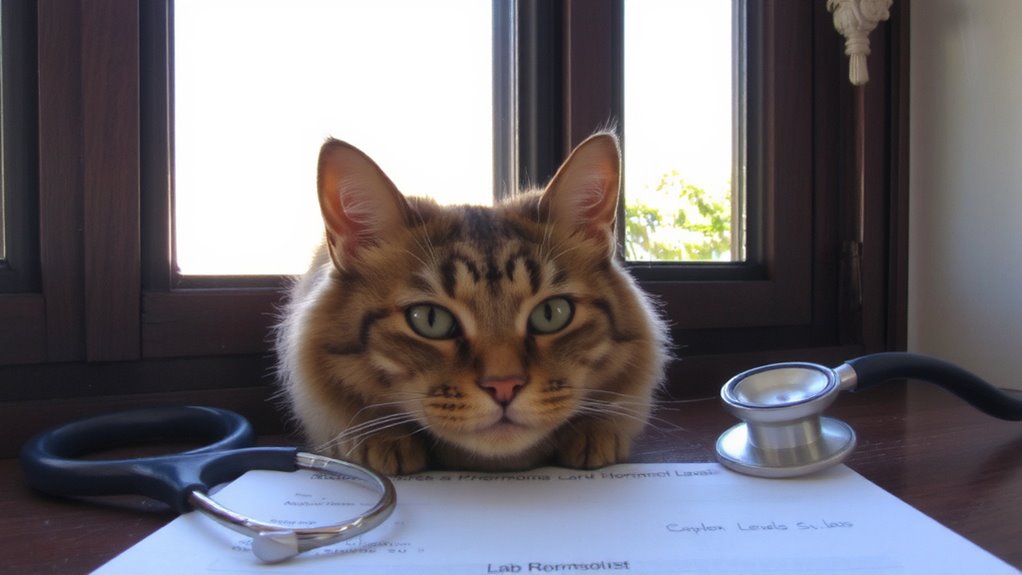
Stress hormone. Cortisol is a glucocorticoid hormone produced by your cat’s adrenal glands. Its primary cortisol function includes regulating metabolism, immune response, and blood sugar levels. You’ll find it essential for maintaining homeostasis. When your cat encounters a threat, the hypothalamic-pituitary-adrenal (HPA) axis activates, triggering the stress response. This leads to cortisol release within minutes, preparing the body for action. Normal baseline cortisol levels in cats range from 1.0 to 5.0 µg/dL, measured via blood test. Prolonged elevation can suppress immune function and increase risk of diabetes. Unlike acute bursts, chronic imbalance impairs health. Think of cortisol like a thermostat: it should respond swiftly but return to set point. Monitoring this hormone helps assess adrenal function and overall well-being. You rely on accurate assays-such as the ACTH stimulation test-to evaluate cortisol dynamics.
Common Causes of Stress That Raise Cortisol
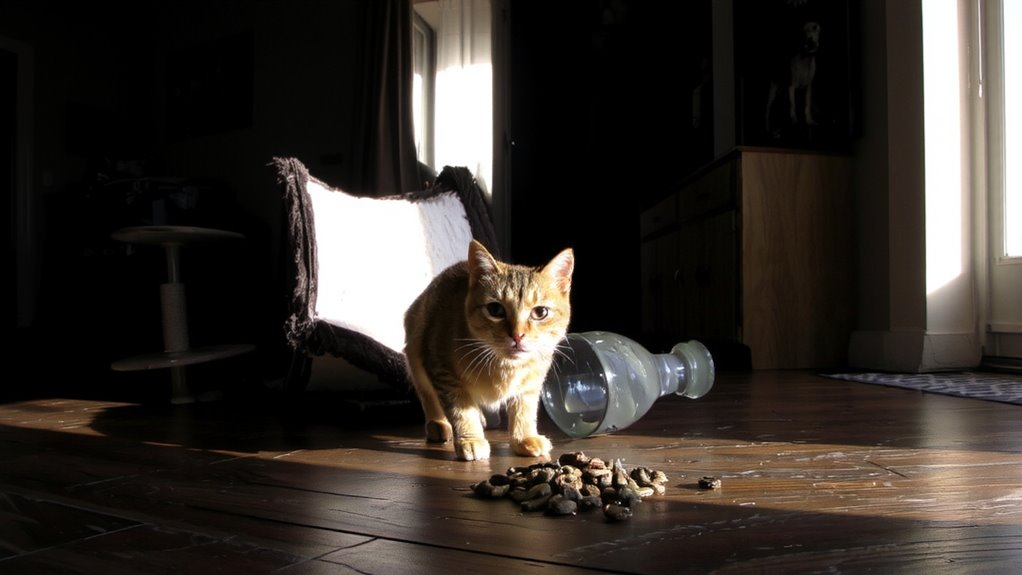
Several everyday factors can trigger cortisol spikes in your cat, even if you don’t notice obvious signs of distress. Environmental changes, such as moving furniture or introducing new pets, disrupt your cat’s sense of security. These shifts alter their territory mapping, a behavior rooted in olfactory memory and spatial awareness. Even minor rearrangements can activate the hypothalamic-pituitary-adrenal (HPA) axis, increasing cortisol production. Loud noises, including thunder, vacuum cleaners, or construction sounds above 85 decibels, also cause acute stress. Cats detect frequencies up to 64,000 Hz, making common household sounds overwhelming. Their auditory sensitivity amplifies perceived threat levels. Sudden auditory stimuli trigger immediate sympathetic nervous system responses. You might not see overt reactions, but physiological markers like elevated heart rate and cortisol release occur within minutes. Persistent exposure leads to sustained hormonal imbalances. These stressors act cumulatively, even if individually subtle. Addressing these triggers with effective pet anti-anxiety solutions can help regulate cortisol levels and improve your cat’s overall well-being.
How Stress Affects Your Cat’s Cortisol Levels
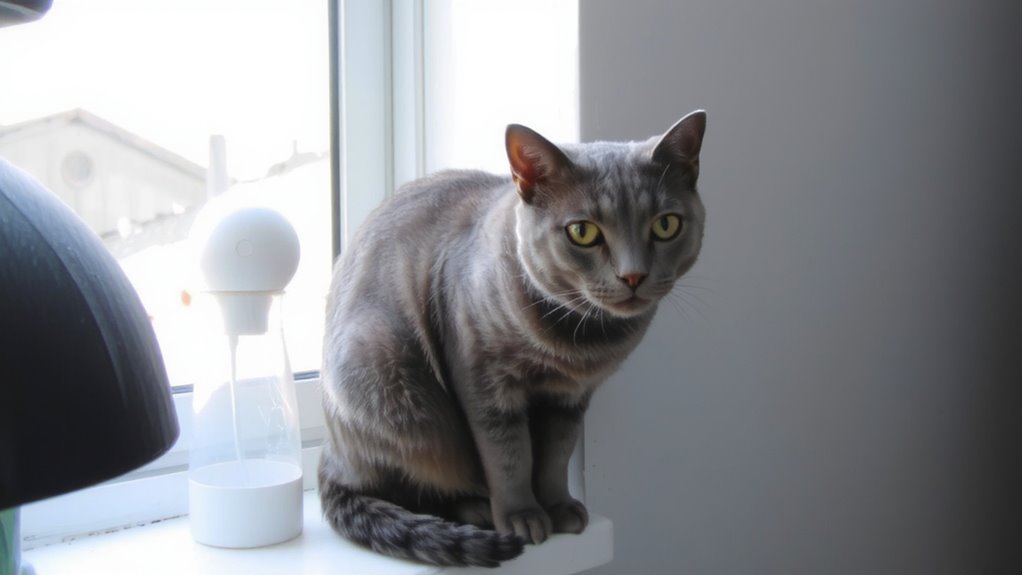
Your cat’s cortisol response to stress follows a tightly regulated physiological pathway designed to manage perceived threats. When stressors activate the hypothalamic-pituitary-adrenal (HPA) axis, the adrenal glands secrete cortisol into the bloodstream. This hormone alters glucose metabolism, suppresses immune function, and prioritizes energy for immediate survival. In acute stress, cortisol levels rise quickly but return to baseline once the threat passes. Chronic stress, however, leads to prolonged elevation, contributing to feline anxiety and long-term health risks. Persistent HPA activation disrupts normal hormonal balance, increasing susceptibility to disease. You may observe behavioral changes such as reduced grooming, withdrawal, or increased vocalization. These shifts reflect underlying neurochemical alterations driven by sustained cortisol output. Unlike transient responses, chronic cortisol elevation impairs cognitive function and emotional regulation. Monitoring your cat’s environment and routine helps mitigate factors that dysregulate this system. Products like pet anxiety sprays can support stress reduction by promoting a calming environment for cats.
Signs Your Cat Has High Cortisol
Elevated cortisol in cats manifests through distinct behavioral and physiological cues that signal HPA axis overactivity. You may notice behavior changes such as increased aggression, restlessness, or excessive grooming. Appetite fluctuations are common-some cats overeat, while others show marked disinterest in food. Lethargy, panting, and a pot-bellied appearance also frequently occur. Monitor water intake; polydipsia (excessive drinking) often accompanies high cortisol.
| Symptom Category | Observable Sign | Clinical Correlation |
|---|---|---|
| Behavior | Irritability, anxiety | CNS dysregulation |
| Feeding Pattern | Appetite fluctuations | Metabolic disruption |
| Physical | Abdominal enlargement | Visceral fat redistribution |
Persistent signs warrant veterinary assessment, including ACTH stimulation or low-dose dexamethasone suppression testing. Early recognition improves diagnostic accuracy.
Long-Term Health Risks of Elevated Cortisol
While cortisol plays a vital role in stress response and metabolic regulation, prolonged elevation can trigger a cascade of detrimental health effects in cats. Chronic high cortisol disrupts normal hormonal balance, leading to hormonal imbalance that impairs immune function, glucose regulation, and tissue repair. You’ll often see muscle atrophy, thinning skin, and persistent lethargy. Over time, the adrenal glands may struggle to maintain output, increasing susceptibility to adrenal fatigue despite initially overproducing cortisol. This dysregulation contributes to conditions like feline hyperadrenocorticism. Left unmanaged, elevated cortisol promotes protein breakdown, visceral fat accumulation, and hypertension-measurable through systolic pressures exceeding 175 mmHg in affected cats. Insulin resistance commonly develops, mimicking diabetes mellitus. These systemic effects reduce longevity and impair quality of life. Continuous stress exposure exacerbates these outcomes. You must recognize that long-term cortisol elevation isn’t just a hormonal issue-it’s a multisystem threat requiring proactive management to prevent irreversible physiological damage.
How Vets Test Cortisol in Cats
How do veterinarians accurately measure cortisol levels in cats? They use a blood test or urine analysis to detect cortisol concentration. A blood test measures circulating cortisol at a specific moment, often requiring a single serum sample analyzed via immunoassay. Your vet might collect blood in the morning when cortisol peaks for baseline comparison. Urine analysis evaluates cortisol-to-creatinine ratio (UCCR), offering a non-invasive snapshot of adrenal activity over time. Both methods help identify abnormal patterns linked to Cushing’s or stress-related hypercortisolemia.
| Test Type | Sample Required | Primary Use |
|---|---|---|
| Blood Test | 1–2 mL serum | Immediate cortisol level |
| Urine Analysis | 5–10 mL urine | Daily cortisol fluctuation |
| ACTH Stimulation | Pre/post blood | Adrenal function confirmation |
UCCR lacks precision but aids screening. Blood tests are more reliable for diagnosis.
Simple Ways to Lower Your Cat’s Cortisol Stress
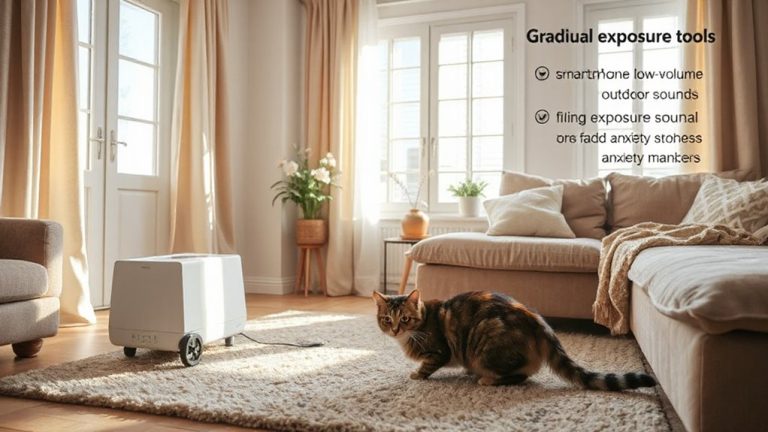
Keeping your cat’s cortisol in check starts with managing the triggers that spike stress hormones. Play therapy for just 10–15 minutes twice daily reduces cortisol by engaging natural hunting behaviors. Use wand toys or laser pointers to stimulate physical activity and mental focus, lowering stress biomarkers. Introduce music calming playlists designed for cats, such as classical or species-specific compositions played at 60–70 decibels. Studies show these sounds reduce heart rate and cortisol levels by up to 24% in shelter cats. Maintain a consistent routine, as predictable feeding and sleeping schedules regulate circadian cortisol rhythms. Provide elevated perches and hiding spaces to enhance environmental security. Avoid sudden changes in litter, food, or layout. Monitor response using non-invasive saliva cortisol tests every 2–4 weeks. Combine play therapy with music calming for synergistic effects, ensuring long-term hormonal balance and improved feline well-being.
On a final note
You can manage your cat’s cortisol levels effectively with consistent care. Elevated cortisol leads to health issues like immune suppression and diabetes. Monitor behavioral and physical signs closely. Diagnostic tests, including blood panels and the ACTH stimulation test, provide precise cortisol measurements. Environmental enrichment, routine, and pheromone therapy reduce stress. Regular veterinary checkups guarantee early detection. Controlling cortisol supports long-term feline health and physiological stability.