Seasonal Health Challenges and Solutions for Poodles
Your poodle’s dense coat traps heat, so use PCM cooling vests that activate at 15–20°C and breathable mesh harnesses. In winter, indoor humidity below 45% increases skin moisture loss by 30%; maintain 45–55% with cool-mist humidifiers and apply ceramide-based emollients. Prevent allergies with saline nasal rinses (0.9% solution at 98.6°F) and omega-3s (180 mg EPA/DHA per 10 lbs). Brush five times weekly, trim every 4–6 weeks with a #10 blade, and exercise only when temperatures are safe-below 77°F or above 20°F. More details on optimizing each season follow.
Notable Insights
- Poodles’ dense coats trap heat; use cooling vests and breathable harnesses to prevent overheating in summer.
- Winter dryness increases skin moisture loss; maintain indoor humidity at 45–55% and use ceramide-based emollients.
- Seasonal allergies can be reduced by starting preventive care early and using daily saline nasal rinses.
- Frequent brushing and seasonal trims prevent matting and support thermoregulation during climate transitions.
- Adjust outdoor activity times and temperatures; avoid midday heat and extreme cold to ensure safety.
Beat the Heat: Keep Your Poodle Cool in Summer
Why do poodles struggle more in hot weather than other breeds? Their dense, non-shedding coat traps heat, reducing natural cooling. You must actively manage their temperature. Use cooling gear like vests with PCMs (phase change materials) that absorb heat at 15–20°C, maintaining safe body temps. Pair with breathable mesh harnesses for airflow. Hydration is critical-offer water every 15–20 minutes during activity. Use portable bottles with built-in bowls, delivering 250 ml capacity for quick access. Electrolyte supplements in water help maintain fluid balance. Never rely on panting alone; poodles have limited sweat glands, mostly in paw pads. Limit outdoor time when temps exceed 27°C. Provide shaded, ventilated areas. Thermal conductivity of cooling mats reaches 0.45 W/mK, lowering surface temperature by up to 10°C. Monitor for excessive panting or lethargy. Implement hydration tips and cooling gear consistently for effective heat management. Consider a cooling bandana for dogs to enhance heat dissipation during outdoor excursions.
Winter Care: Protect Your Poodle From Cold and Dry Skin
Many poodles lose up to 30% more moisture from their skin in winter due to low humidity and indoor heating. This drop in indoor humidity, often falling below 30%, disrupts skin hydration and compromises the epidermal barrier. You should maintain indoor humidity between 45% and 55% using a calibrated hygrometer and a quiet, cool-mist humidifier. Proper humidity slows transepidermal water loss, preserving natural lipid balance. For skin hydration, apply a vet-approved, fragrance-free emollient with ceramides twice weekly. These ingredients stabilize corneocyte cohesion and reduce flaking. Avoid oat-based products-they lack occlusive efficacy. Trim paw fur to minimize iceball accumulation, which draws heat and dries skin on contact. Use a microclimate collar in extreme cold; it regulates ear and neck micro-environments, areas prone to thermal shock. Consistent humidity and targeted moisturization prevent xerosis, maintaining skin integrity through winter’s thermal extremes.
Stop Seasonal Allergies Before They Start
Could your poodle’s seasonal allergies actually be preventable? Yes-proactive management reduces symptom onset. Start with allergy tracking: record local pollen counts, mold levels, and weather shifts weekly using apps or environmental calendars. This data reveals exposure patterns tied to regional allergens like ragweed or tree pollen. Begin interventions two weeks before peak seasons. Administer saline nasal rinses daily; use a veterinarian-approved rinse system delivering 0.9% isotonic solution at body temperature (98.6°F). This flushes allergens from nasal mucosa, reducing histamine response by up to 40%. Pair rinses with omega-3 supplements (180 mg EPA/DHA per 10 lbs body weight daily) to modulate inflammation. Limit outdoor activity during high pollen periods-typically 5–10 a.m. Preventive care isn’t reactive; it’s strategic. Consistent allergy tracking and nasal rinses decrease clinical signs, minimizing reliance on antihistamines or corticosteroids later.
Grooming by Season: Prevent Mats, Irritation, and Allergens
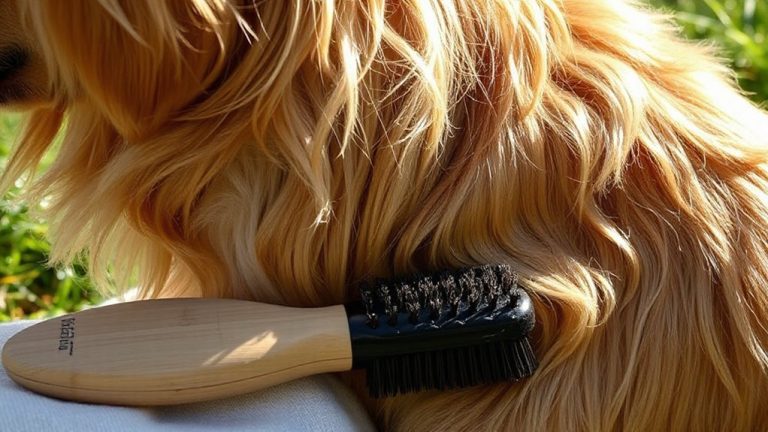
When seasonal shifts alter humidity and temperature, your poodle’s coat undergoes increased stress, making timely grooming essential. Increased brush frequency-from two to five times weekly-prevents matting and removes allergens trapped in dense curls. Use a stainless steel comb and slicker brush to penetrate the dense undercoat, focusing on friction-prone areas: behind ears, under legs, and the hindquarters. Mat formation can begin within 48 hours during changing months. Scheduled coat trimming every four to six weeks maintains ideal length, typically 1–1.5 inches for ease of care and airflow. Professional clippers with #10 or #7 blades reduce bulk without damaging follicles. Avoid cutting too close to avoid skin irritation. A shortened coat reduces allergen retention and promotes even cooling or insulation, depending on season. Prioritize consistent maintenance to minimize dermatological risks and coat degradation. For optimal results, use the best brushes for poodles to effectively manage tangles and undercoat buildup.
Outdoor Safety: When and How to Exercise Your Poodle Year-Round
How do you keep your poodle safely active in extreme heat or bitter cold? Adjust outdoor exercise based on temperature and humidity. Avoid midday walks in summer; aim for early morning or evening when temperatures are below 77°F (25°C). In winter, limit exposure when temps drop below 20°F (-6°C), especially for smaller poodles. Always use a harness during leash training to reduce tracheal pressure-opt for no-pull designs with secure buckles. Prioritize trail safety by sticking to marked paths, avoiding icy or uneven terrain. Carry a LED collar or reflective leash for visibility in low light. Use paw balm to prevent cracking from ice melts or hot pavement. Monitor for signs of distress: excessive panting, limping, or reluctance to move. Proper gear and timing guarantee safe, effective year-round activity.
Seasonal Diet Tips for a Healthy, Happy Poodle
Why do poodle owners need to adjust feeding strategies with the seasons? Metabolic demands shift with temperature and activity levels. In winter, poodles burn more calories to maintain body heat, requiring increased caloric intake-typically 10–15% more-especially for outdoor-active dogs. Conversely, summer often brings reduced appetite, so you should focus on nutrient balance to maintain health without excess weight gain. Adjust protein-to-fat ratios seasonally: higher fat in winter (up to 18% in diet) for energy, leaner profiles in summer (around 12%). Hydration strategies are essential year-round but critical in summer. Provide fresh water at all times and consider wet food (70–80% moisture) to support hydration. Monitor electrolyte balance during heatwaves. These targeted dietary adjustments guarantee your poodle maintains ideal nutrient balance and performance across seasons.
On a final note
You must adapt your poodle’s care regimen seasonally to maintain health and performance. Summer demands breathable coats and hydration; limit outdoor activity when temperatures exceed 85°F. Winter requires protection below 45°F, with moisturizers to combat low humidity. Grooming every 4–6 weeks prevents matting. Allergy management includes HEPA filtration. Feed 10–15% fewer calories during winter if activity drops. Use veterinarian-recommended flea preventives year-round.