Natural Oil Production in Cats: The Benefits of Healthy Skin and Coat
Your cat’s skin naturally produces oils that keep the coat glossy and protect against environmental damage, much like a waterproof barrier. Sebaceous glands secrete sebum to maintain lipid balance, preventing dryness and preserving cuticle integrity. Proper omega-3 intake (200–400 mg EPA/DHA daily) supports healthy sebum composition. Regular grooming and pH-balanced bathing every 4–6 weeks optimize oil distribution. Signs of balance include smooth, resilient fur without greasiness or redness. Persistent issues may indicate underlying conditions requiring further evaluation.
Notable Insights
- Healthy natural oil production keeps a cat’s coat shiny without greasiness or residue.
- Balanced sebum levels support skin hydration and reduce flakiness or dryness.
- Proper oil distribution strengthens hair shafts, minimizing breakage and excessive shedding.
- Essential fatty acids like omega-3 and omega-6 regulate sebum and reduce inflammation.
- Regular grooming and diet promote even oil spread and overall coat resilience.
What Causes Oily Skin in Cats?
Why does your cat’s skin sometimes feel greasy? Overproduction of sebum by sebaceous glands is often the cause. Diet factors markedly influence oil regulation. Diets low in essential fatty acids-like omega-3 and omega-6-disrupt lipid balance, increasing greasiness. High-fat commercial foods may also exacerbate sebum secretion. Environmental influences play a parallel role. High humidity levels above 60% elevate gland activity, while indoor pollutants such as dust and smoke accumulate on fur, mixing with oils to create a sticky residue. Hair length matters: long-haired breeds retain more oil, especially if grooming is infrequent. Stress-induced overgrooming redistributes oils unevenly across the coat. Sebum contains squalene, wax esters, and triglycerides-compounds essential for protection but problematic in excess. You can reduce greasiness by adjusting nutrition and controlling ambient conditions. Regular brushing removes oils before buildup occurs, maintaining natural balance without stripping essential moisture.
Signs of Healthy Cat Skin and Coat Oils
A well-balanced sebum layer is noticeable when your cat’s coat shines without appearing slick or greasy. You’ll observe a consistent shedding pattern-typically light and seasonal-indicating healthy follicular activity. A normal shedding cycle means only a few hairs loosen daily, which is natural. Your cat’s coat texture should feel smooth and resilient, not brittle or overly soft. Healthy fur springs back when gently compressed, showing elasticity due to evenly distributed oils. The sebum maintains hydration, preventing flakiness or excessive dryness. Each hair shaft retains structural integrity, with a tightly closed cuticle layer that reflects light. Look for uniform oil distribution near the skin, particularly around the back and tail base, but absence of residue on touch. These signs reflect ideal sebaceous gland function, supporting a protective barrier against environmental irritants. No matting, redness, or bald patches should occur.
Common Causes of Excess or Low Oil Production
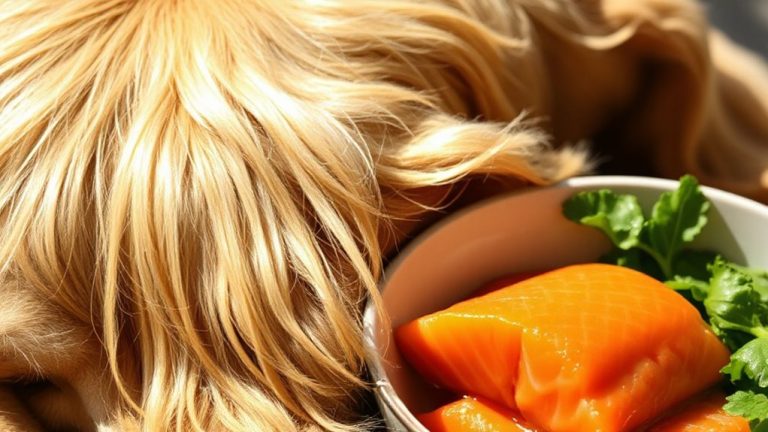
When your cat’s sebaceous glands become overactive or underactive, it can disrupt the natural oil balance essential for skin and coat health. Excess oil production often stems from hormonal imbalances, such as hyperthyroidism or Cushing’s disease, which overstimulate gland activity. These conditions elevate sebum output, leading to greasy fur and matted coats. Conversely, low oil production commonly results from dietary deficiencies, particularly in essential fatty acids like omega-3 and omega-6. Without these nutrients, sebaceous glands fail to synthesize adequate oils, causing dry, flaky skin. Poor-quality commercial foods often lack sufficient linoleic acid, a key component for lipid production. Age, stress, and genetics also modulate gland function. Environmental factors, such as low humidity, may worsen dryness. Underlying medical issues must be diagnosed via blood panels and skin scrapings. Accurate identification of causes guarantees targeted, effective management. Supplementing with high-quality omega supplements for pets can help restore lipid balance and support long-term skin and coat health.
How to Balance Your Cat’s Natural Skin Oils
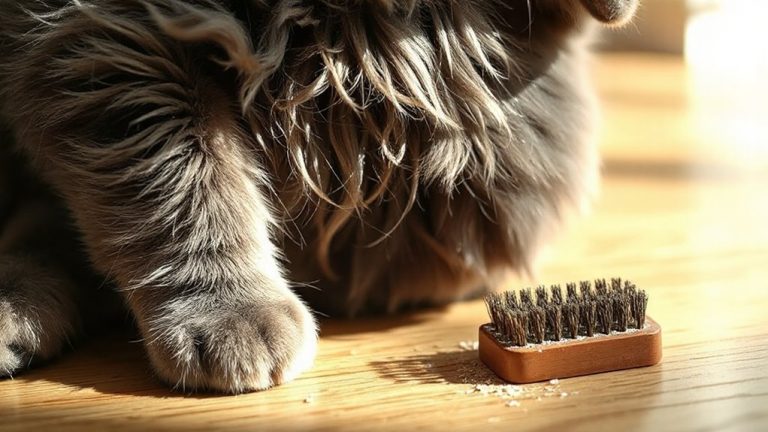
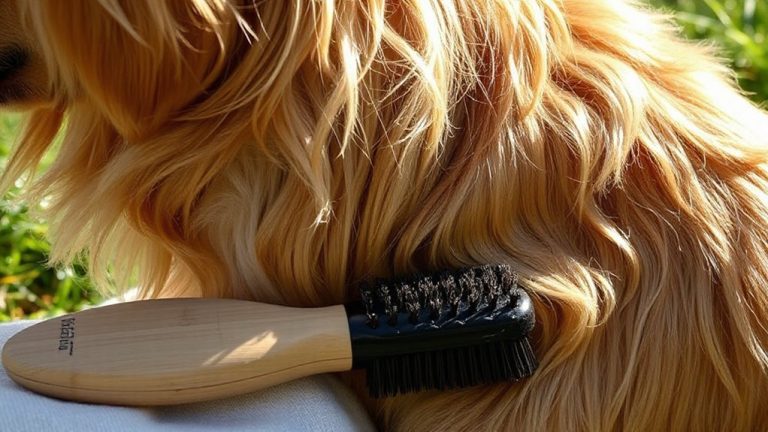
How do you restore equilibrium to your cat’s sebum production without resorting to trial and error? Start with consistent grooming frequency and targeted diet supplementation. Regular brushing distributes natural oils evenly, reducing greasiness and preventing dry patches. For long-haired cats, daily grooming is ideal; short-haired cats benefit from brushing twice weekly.
| Factor | Recommendation |
|---|---|
| Grooming Frequency | 2–7 times weekly, based on coat length |
| Omega-3 Intake | 200–400 mg EPA/DHA daily |
| Bathing Frequency | Every 4–6 weeks, using pH-balanced shampoo |
| Diet Supplementation | Include fish oil or flaxseed with vet approval |
These evidence-based practices support ideal sebum regulation. Proper diet supplementation improves epidermal lipid composition within 4–6 weeks. Combined with appropriate grooming frequency, this approach maintains coat integrity and skin hydration, mimicking natural feline oil dynamics.
When to Call the Vet About Skin and Coat Problems
Why ignore warning signs until they escalate? You should call the vet if your cat shows persistent scratching, hair loss, or skin redness. These symptoms may indicate a flea infestation, which causes inflammation and can transmit diseases like Bartonella. Flea combs and topical preventatives reduce risk, but over-the-counter treatments aren’t always effective. A fungal infection, such as dermatophytosis (ringworm), presents as circular, scaly patches and requires microscopic examination or fungal culture for diagnosis. Over-the-counter antifungals often fail-prescription lime sulfur dips or oral terbinafine are clinically proven. Delayed treatment can lead to secondary bacterial infections. Skin biopsies or cytology may be needed for accurate diagnosis. Regular grooming helps detect issues early. Persistent greasiness or dullness in the coat may signal disrupted sebum production. Immediate veterinary consultation guarantees accurate diagnosis and prevents transmission to other pets or humans.
On a final note
You maintain your cat’s skin and coat health by understanding sebum regulation. Sebaceous glands produce oils that protect the epidermis and fur. Proper oil levels prevent dryness and grease buildup. Imbalances may signal underlying conditions like hormonal disorders. Regular grooming supports natural exfoliation and oil distribution. Use pH-balanced shampoos only when necessary. Persistent changes warrant veterinary evaluation to rule out infections or dermatoses.