Demystifying the Causes Behind Excessive Shedding Patterns in Pets
Your pet’s excessive shedding may stem from allergies, parasites, or hormonal imbalances like hypothyroidism. Flea saliva triggers alopecia, while seasonal changes alter coat cycles. Poor nutrition-especially low omega-3 and omega-6-weakens hair shafts. Stress elevates cortisol, shortening hair growth phases. Blood tests and skin cytology can pinpoint underlying causes. Addressing diet, environment, and health with targeted treatments improves coat integrity. More insights on effective interventions follow.
Notable Insights
- Seasonal allergies to pollen or mold can trigger histamine responses, leading to skin inflammation and increased shedding in pets.
- Flea infestations cause intense reactions in sensitive animals, resulting in hair loss and skin lesions that require prompt treatment.
- Hormonal imbalances from conditions like hypothyroidism or Cushing’s disease disrupt the hair growth cycle and cause coat thinning.
- Poor nutrition, especially deficiencies in protein, omega fatty acids, and key vitamins, weakens hair shafts and promotes excessive shedding.
- Stress, environmental changes, and low humidity can elevate cortisol or dry out skin, accelerating hair loss in pets.
What Causes Excessive Shedding in Pets?
Why does your pet shed more than usual? Excessive shedding often stems from external factors like seasonal allergies or parasite infestation. Seasonal allergies trigger histamine responses, leading to inflamed skin and increased hair loss, particularly in spring and fall. Common allergens include pollen, mold, and dust mites. You may notice your pet scratching more or developing a dull coat. Parasite infestation, especially from fleas, ticks, or mites, directly damages hair follicles and irritates the skin. Flea saliva alone can provoke intense reactions, causing alopecia in sensitive animals. Dermatological exams often reveal papules or erythema in affected areas. Preventatives like topical selamectin or oral isoxazolines reduce infestation risks by over 90%. Environmental control, including HEPA filters and anti-allergen shampoos with oatmeal or chlorhexidine, supports coat health. Addressing these causes promptly improves skin integrity and minimizes abnormal shedding. Using a hypoallergenic dog shampoo for itchy skin can further soothe irritated skin and reduce allergen buildup in the coat.
Underlying Health Issues That Increase Shedding
Excessive shedding isn’t always due to external irritants-sometimes, it signals deeper physiological imbalances. Hormonal imbalances, such as those caused by hypothyroidism or Cushing’s disease, disrupt your pet’s hair growth cycle. These conditions alter metabolic rate and sebaceous gland activity, leading to thinning coats and increased hair loss. Adrenal or thyroid dysfunction can be confirmed through blood tests measuring T4, ACTH response, and cortisol levels. Skin infections, whether bacterial (like Staphylococcus intermedius) or fungal (such as Malassezia), also promote shedding by inflaming hair follicles. These pathogens thrive in compromised skin environments, worsening dander and coat integrity. Cytology and skin scrapings help identify infectious agents. Left untreated, these issues progress, accelerating fur loss. Early diagnostics and targeted treatment-antibiotics, antifungals, or hormone therapy-restore coat health. Monitoring for patchiness, odor, or erythema improves intervention efficacy. Addressing root causes guarantees lasting results. Regular grooming with the right tools, such as an effective deshedding tool, can also minimize loose fur and support healthy coat maintenance.
How Poor Diet Leads to More Pet Hair Loss
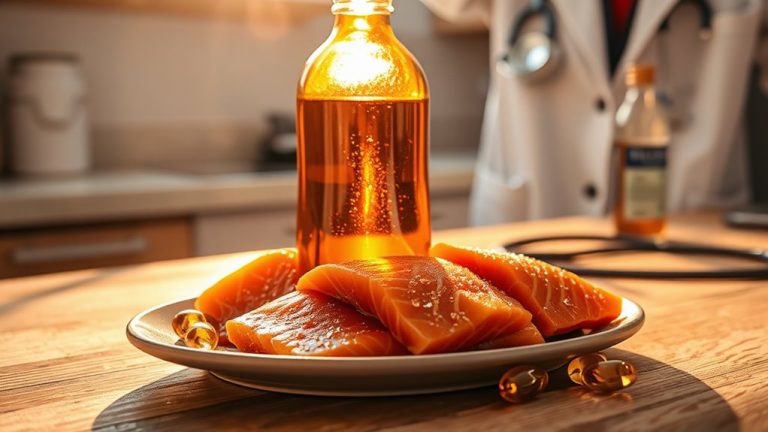
A poor diet can significantly contribute to increased shedding in pets by depriving them of essential nutrients needed for healthy skin and coat. Nutritional deficiencies, especially in protein, vitamins A, B, and E, impair keratin production and weaken hair shafts. You may notice brittle fur and increased fallout when your pet’s food lacks these. A fatty acid imbalance-particularly low omega-3 and omega-6-reduces skin elasticity and natural oil production. This leads to dryness, flakiness, and inflammation, accelerating hair loss. Premium diets with balanced fatty acid ratios (ideal omega-6 to omega-3 ratio of 5:1 to 10:1) support dermal health. Without this balance, cellular membranes deteriorate, compromising the hair growth cycle. Supplements like fish oil can correct this, reducing shedding by up to 40% in 8 weeks. Always verify nutrient profiles on labels-aim for at least 22% protein for dogs, 30% for cats-to sustain coat integrity and minimize excessive shedding. Including foods specifically formulated to reduce shedding can further enhance coat health and decrease loose fur, with top choices offering optimal omega fatty acid levels.
Stress and Environmental Triggers of Shedding
What if your pet’s shedding spiked after a home move or a new pet arrived? Stress and environmental disruptions are common causes. Anxiety triggers like loud noises, routine changes, or unfamiliar animals heighten cortisol levels, directly impacting hair follicle cycles. Studies show elevated cortisol can shorten the anagen (growth) phase, accelerating shedding. Seasonal changes also alter shedding patterns-reduced daylight in fall increases melatonin, prompting thicker coat growth in many breeds. Conversely, rising spring temperatures initiate thermoregulatory shedding, where up to 30% more undercoat is lost. Environmental humidity below 40% exacerbates dry skin and hair fragility. Indoor allergens-dust mites, mold-act as secondary stressors, disrupting dermal health. You can mitigate these effects with consistent routines, pheromone diffusers (e.g., Feliway or Adaptil), and climate-controlled living spaces. Monitoring behavior and coat condition during shifts helps isolate triggers.
When to Worry: Signs Your Pet Needs a Vet
How do you know when shedding crosses the line from normal to concerning? Excessive hair loss accompanied by skin changes or behavioral shifts warrants veterinary evaluation. Allergies and infections are common culprits behind abnormal shedding. Look for redness, sores, or odor, which signal underlying health issues.
| Symptom | Possible Cause | Action Required |
|---|---|---|
| Patchy hair loss | Allergies, infections | Veterinary dermatological exam |
| Dry, flaky skin | Nutritional deficiency | Diet adjustment, blood test |
| Constant scratching | Parasites, allergies | Skin scraping, allergy test |
| Swelling or oozing | Bacterial infection | Antibiotic treatment |
| Dull, brittle coat | Systemic illness | Full physical and lab workup |
Persistent shedding despite proper grooming and diet indicates medical intervention is necessary. Early diagnosis improves treatment outcomes.
On a final note
You should monitor shedding patterns closely. Normal shedding varies by breed, season, and coat type. Excessive loss may indicate hypothyroidism, allergies, or parasitic infestations like fleas or mites. Poor nutrition, especially deficient in omega-3 fatty acids or protein, weakens hair follicles. Stress from environmental changes elevates cortisol, disrupting hair growth cycles. Persistent shedding with dermatitis, odor, or bald patches warrants veterinary evaluation for underlying pathology.