The Role of Probiotics in Gut Health and Weight Regulation for Overweight Dogs
Your dog’s gut health directly impacts weight loss. Probiotics like *Lactobacillus rhamnosus* GG reduce fat mass, promoting 1.2–1.8% monthly weight loss. Strains such as *Bifidobacterium animalis* AHC7 (2 billion CFUs/day) strengthen gut barriers and improve glucose metabolism. They enhance nutrient absorption, reduce inflammation, and support metabolic efficiency. Effective supplements contain 1–5 billion CFUs, acid-resistant delivery, and verified strains. Consistency matters more than high CFU counts. You’ll discover how to choose the right formula and maximize results with the right approach.
Notable Insights
- Probiotics restore gut balance, reducing inflammation and metabolic endotoxemia linked to weight gain in dogs.
- Specific strains like *Lactobacillus rhamnosus* GG support fat loss, promoting 1.2–1.8% monthly weight reduction.
- Improved gut barrier function from probiotics prevents endotoxin leakage, lowering systemic inflammation and insulin resistance.
- Probiotics enhance nutrient absorption and metabolic efficiency, helping overweight dogs overcome weight loss plateaus.
- High-quality, strain-specific probiotics with enteric coating ensure viable delivery and sustained gut colonization for optimal results.
Is Your Dog’s Gut Sabotaging Weight Loss?
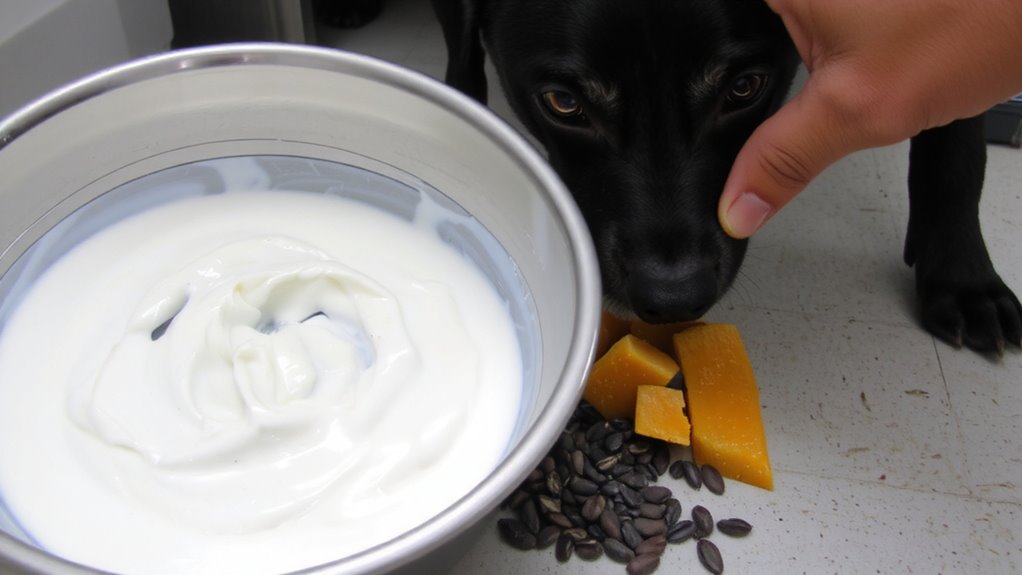
Why is your overweight dog struggling to shed pounds despite diet and exercise? Chronic gut inflammation may be impairing nutrient absorption and metabolic efficiency. This low-grade inflammation often stems from undiagnosed food sensitivities, which trigger immune responses that disrupt gut barrier integrity. When the intestinal lining weakens, endotoxins like lipopolysaccharides leak into the bloodstream-a condition known as metabolic endotoxemia. This provokes systemic inflammation, linked in studies to insulin resistance and fat retention. Food sensitivities to common proteins (e.g., beef, dairy) or grains amplify this cycle. Unlike acute allergies, these sensitivities produce subtle, cumulative effects. Diagnostic elimination diets and IgA/IgE blood panels can identify specific triggers. Resolving gut inflammation requires removing antigenic foods and restoring microbial balance. Without addressing these underlying factors, even calorie-restricted diets and increased activity yield minimal results. Gut health is a metabolic linchpin. Targeted supplementation with best probiotics for dogs can help rebalance the gut microbiome and support metabolic health.
How Probiotics Boost Your Dog’s Metabolism
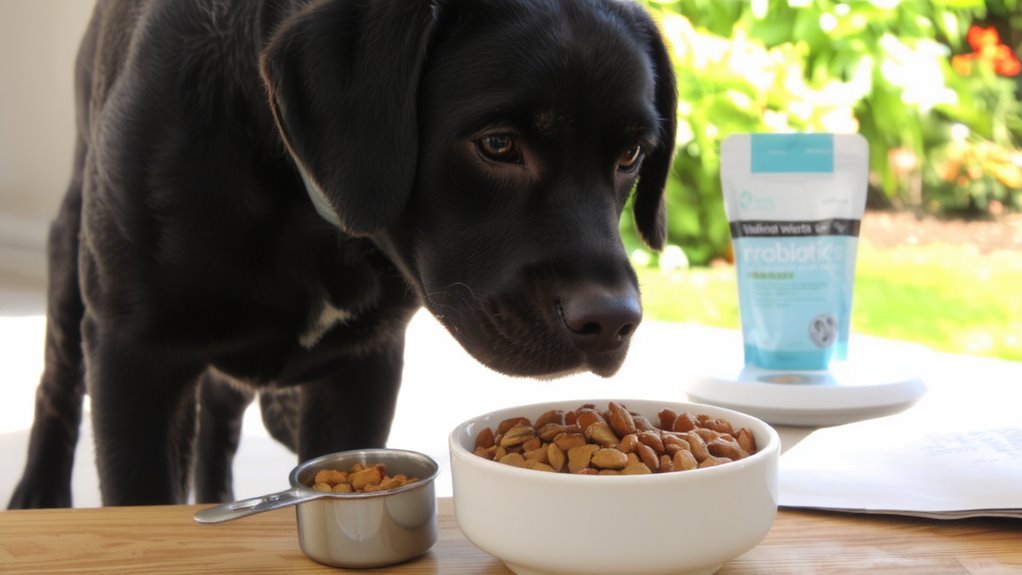
You’ve likely adjusted your dog’s food and increased exercise, but fixing the gut environment could be the missing piece in improving their metabolism. Probiotics support metabolic activation by balancing gut microbiota, enhancing enzyme activity involved in fat and carbohydrate metabolism. They improve nutrient absorption by strengthening the intestinal lining and reducing inflammation, allowing more efficient uptake of vitamins and minerals. This means your dog gets more usable energy from the same amount of food, reducing fat storage over time. Dogs with yeast infections may also benefit from probiotics that support immune and skin health, as certain strains like those with targeted microbial support help maintain a balanced gut environment crucial for overall wellness.
| Change Seen | What It Means for Your Dog |
|---|---|
| Higher energy levels | Improved daily mobility and playfulness |
| Stable appetite | Less begging, better portion control |
| Reduced bloating | Increased comfort and digestive ease |
| Gradual weight loss | Healthier BMI and joint support |
Targeted microbial support delivers measurable improvements in metabolic efficiency.
Best Probiotic Strains for Weight Control in Dogs
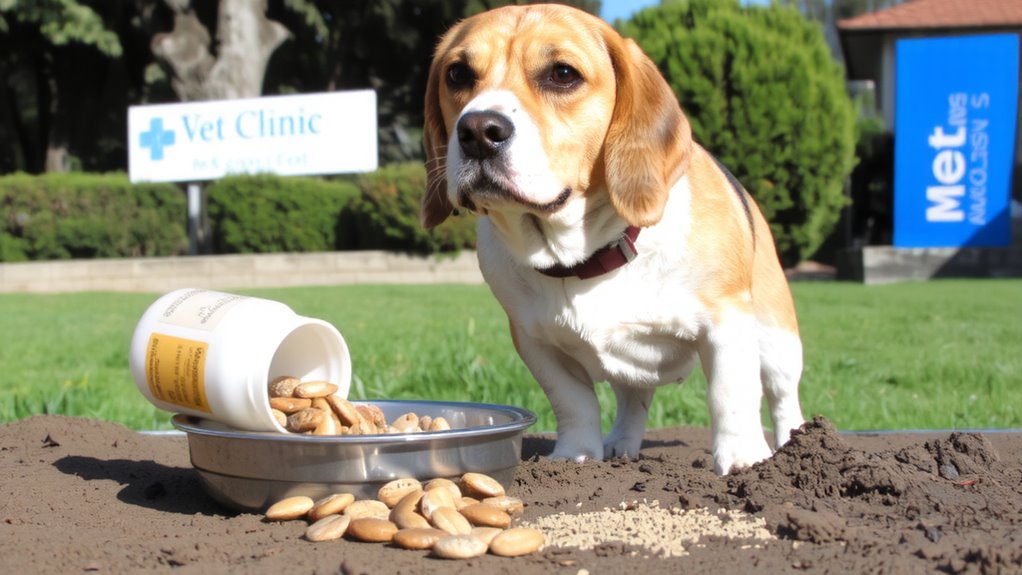
When selecting probiotics for weight control in dogs, not all strains deliver equal results-certain species have been clinically shown to influence fat metabolism and appetite regulation. *Lactobacillus rhamnosus* GG reduces fat mass accumulation by modulating leptin sensitivity, with studies showing overweight dogs losing 1.2–1.8% body weight monthly when supplemented daily. *Bifidobacterium animalis* AHC7 enhances gut barrier function, lowering systemic inflammation linked to insulin resistance; dosages of 2 billion CFUs per day correlate with improved glucose metabolism in canine trials. *Lactobacillus acidophilus* DSM 10170 supports nutrient breakdown efficiency, increasing digestibility of proteins by up to 12% and reducing caloric waste. You’ll also benefit from including *Lactobacillus reuteri*-it suppresses appetite-linked gut signals, reducing voluntary food intake by 8–10% in controlled studies. *Bifidobacterium lactis* supports insulin sensitivity and reduces fat storage, with 1.5 billion CFUs daily showing measurable decreases in visceral fat. These strains, delivered in enteric-coated capsules, guarantee survival through gastric acid, maximizing colon delivery and therapeutic impact.
Signs Your Overweight Dog Needs Probiotic Support
Not every overweight dog responds to diet and exercise alone, and gut imbalances could be undermining your efforts. Persistent digestive discomfort-like gas, bloating, or loose stools-often signals poor gut health. Inefficient nutrient absorption limits energy and metabolic efficiency, hindering weight loss even with caloric control. Probiotics may help restore microbial balance critical for digestion and metabolism. For dogs with inflammatory bowel disease, adding targeted probiotic strains for IBD can further support gut barrier function and reduce chronic inflammation.
| Symptom | Frequency | Associated Issue |
|---|---|---|
| Chronic soft stools | 3+ times/week | Poor nutrient absorption |
| Excessive flatulence | Daily | Gut dysbiosis |
| Inconsistent appetite | Fluctuates | Microbial imbalance |
| Lethargy post-meals | Regular | Incomplete digestion |
| Weight plateau | >4 weeks | Metabolic inefficiency |
If these patterns continue, microbial support should be considered. Addressing digestive discomfort improves nutrient absorption, supporting sustainable weight management.
Choosing the Right Probiotic Supplement for Dogs
How do you know which probiotic is truly effective for your overweight dog? Look for specific strain identification and CFU count-aim for at least 1–5 billion CFUs per serving. The probiotic dosage must match your dog’s weight and gut needs; too little won’t help, too much may cause imbalance. Always follow label guidelines tailored to canine physiology. The supplement form matters: powders mix easily into food and allow dosage adjustments, while chews offer convenience but may contain fillers. Capsules guarantee potency but can be hard to administer. Choose products with sustained-release technology to survive stomach acid and deliver live bacteria to the intestines. Opt for supplements with added prebiotics like FOS-they feed good bacteria. Third-party testing and expiration dates confirm viability. Avoid artificial additives. Proper storage preserves effectiveness.
Pair Probiotics With Diet & Exercise for Results
Why expect results from probiotics alone when gut health is just one piece of the weight management puzzle? You need to pair probiotics with proper diet and exercise for real change. A balanced canine microbiome supports gut balance, which aids nutrient absorption and reduces inflammation. Probiotic supplements with at least 1–5 billion CFUs per dose, featuring strains like *Lactobacillus acidophilus* and *Bifidobacterium lactis*, enhance this effect. However, without caloric control and portion management, benefits remain limited. Combine daily probiotic use with a high-fiber, low-fat diet and 30 minutes of moderate aerobic activity. This trio boosts metabolic rate and strengthens immune support. Consistency over 8–12 weeks yields measurable weight loss-typically 1–3% body weight per month. Gut health works best when integrated, not isolated.
Common Mistakes to Avoid With Dog Probiotics
Where do most pet owners go wrong when giving probiotics to their overweight dogs? Overdosing risks are real. You might think more is better, but excessive probiotics can cause bloating, gas, or diarrhea. Stick to the manufacturer’s dosage-usually 1–5 billion CFUs per day for dogs under 50 lbs. Another common error is incorrect storage. Many probiotic strains, like Lactobacillus and Bifidobacterium, degrade at room temperature. You must refrigerate products requiring it; otherwise, bacterial viability drops up to 50% within 30 days. Avoid gel capsules exposed to humidity. Use only vet-approved, species-specific formulations with enteric coatings-they survive stomach acid, guaranteeing 70–90% of live cultures reach the gut. Check expiration dates and batch numbers. Consistency matters more than quantity. Correct use guarantees stable gut flora, aiding digestion and weight management.
On a final note
You’re giving your dog the right tools for lasting change. Probiotics regulate gut microbiota, improving digestion and metabolic efficiency. Strains like *Lactobacillus rhamnosus* and *Bifidobacterium animalis* support weight management in overweight dogs. Daily dosing at 1–10 billion CFUs stabilizes intestinal flora. Combine supplements with balanced nutrition and exercise. Results appear within 6–8 weeks. Avoid sugary carriers. Consistency guarantees ideal colonization.