How to Add Cold Packs for Pet Injuries in Your Emergency Preparedness Kit
Include a reusable, flexible gel cold pack in your pet’s emergency kit for immediate injury care. Choose a 7 x 9-inch pack with a leak-proof vinyl shell that stays pliable when frozen. It should cool to 40–50°F safely, avoiding tissue damage. Always wrap it in a thin towel before applying for 10–20 minutes every two hours. Store it flat in a moisture-resistant pouch, ready for use within the first 48 hours post-injury-when swelling reduction is most effective. Further guidance covers proper application and DIY alternatives.
Notable Insights
- Choose flexible, leak-proof gel packs sized around 7 x 9 inches for effective coverage of pet injuries.
- Store one cold pack per pet first-aid kit in a sealed, moisture-resistant pouch to maintain readiness.
- Ensure the pack reaches a safe 40°F to 50°F range to prevent tissue damage during use.
- Check expiration dates quarterly and replace damaged or aged packs to ensure effectiveness.
- Keep gauze and towels in the kit to use as protective barriers when applying cold therapy.
Understand Why Cold Packs Help Injured Pets
When your pet suffers an acute injury, applying a cold pack can make a critical difference in managing pain and swelling. Cold therapy is essential for effective pain management and inflammation reduction. You’re slowing metabolic activity in the affected tissues by lowering the temperature. Reduced blood flow decreases vascular permeability, minimizing fluid buildup. Cold numbs nerve endings, dulling pain signals. Apply the pack for 10–15 minutes every two hours during the first 24–48 hours post-injury. Temperatures between 40°F and 50°F are ideal-colder risks tissue damage. Never apply ice directly to the skin. Use a thin barrier like a towel. Consistent, controlled cold application limits edema, accelerates healing, and supports mobility recovery. You’re not curing the injury-you’re creating ideal physiological conditions for repair. Proper timing and technique maximize therapeutic effect.
Choose the Right Cold Pack for Your Kit
A good cold pack is essential for effective at-home pet injury care, and choosing the right one depends on safety, temperature control, and ease of use. Look for a pack with a stable gel consistency that stays pliable when frozen, preventing hard, potentially damaging surfaces. Flexible gel conforms to your pet’s body, ensuring even contact without direct ice exposure. Opt for a leak-proof outer shell made of durable, non-toxic vinyl or nylon to avoid contamination. A reusable design saves money and reduces waste-most quality packs withstand over 100 freeze-thaw cycles. Size matters: choose a 7 x 9 inch pack for versatility across limbs and joints. It should reach 50°F to 65°F within 30 minutes of application, delivering therapeutic cooling without frostbite risk. Always wrap it in a thin towel before use.
When to Use (and Skip) Cold Therapy
You’ve picked a safe, pliable cold pack with a leak-proof shell and the right dimensions-now it’s time to know when to use it. Apply cold therapy within the first 48 hours post-injury to reduce swelling and numb pain. It’s ideal for acute joint inflammation, like after a sprain or impact, where vasoconstriction limits blood flow and inflammatory response. Cold packs should be used for 15–20 minutes every 2–3 hours. However, skip cold therapy if your pet shows signs of shock or hypothermia. Do not use it for heat exhaustion-cooling is needed, but systemic cooling via wetting and ventilation is more effective. Cold packs applied improperly can worsen circulation in compromised tissues. They’re also unsuitable for chronic, non-inflammatory pain. Accurate diagnosis precedes treatment. When in doubt, consult a veterinarian before initiating therapy.
Ice Your Pet’s Injury Safely
While proper timing and diagnosis are essential, applying cold therapy incorrectly can undermine healing-even with the right product in hand. For pet safety, never apply ice directly to skin; use a thin towel as a barrier. Cold packs should be applied for 10 to 20 minutes at a time, with at least two hours between sessions to prevent tissue damage. In your emergency response plan, monitor your pet closely for shivering, swelling, or discomfort. Maintain a consistent temperature range of 40–50°F (4–10°C) to guarantee therapeutic cooling without frostbite. Use wraps with non-toxic gel that conforms to body contours. Secure with adjustable velcro straps to avoid restricting circulation. Recheck injured areas every 5 minutes during treatment. Follow veterinary guidance for frequency and duration. Incorrect use risks nerve injury or delayed recovery-prioritize safe, controlled application every time.
Keep Cold Packs Ready in Your Kit
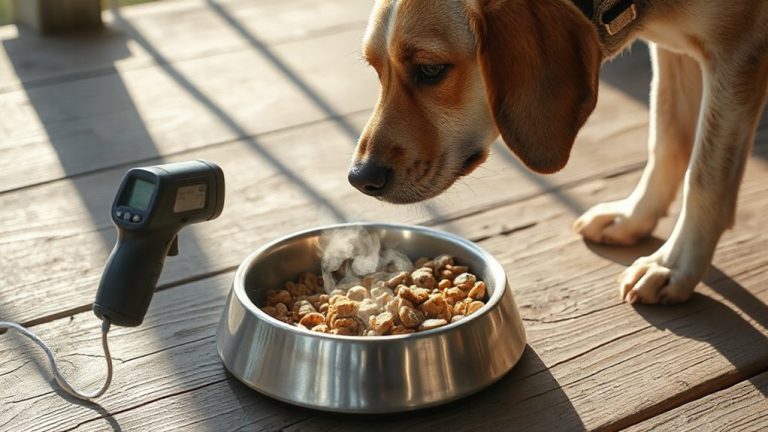
One cold pack per pet first-aid kit guarantees immediate access during emergencies. Store it flat in a sealed, moisture-resistant pouch to preserve structural integrity. Proper storage methods prevent premature activation and contamination. Most commercial cold packs last three to five years if kept away from direct sunlight and extreme temperatures. Check expiration dates quarterly; pack longevity depends on chemical stability and seal quality. Gel-based packs maintain cold for 20–30 minutes post-activation, ideal for acute swelling. Guarantee activation instructions are printed directly on the pack. Keep it alongside gauze and bandages for rapid response. Avoid folding or compressing, as this damages internal compartments. A ready cold pack reduces treatment delay, much like a charged fire extinguisher. Immediate availability guarantees effective therapy during the critical window. Replace expired or leaking units promptly. Preparedness hinges on reliability-your pet’s recovery may depend on it. For extended cooling in transport, consider using feeders with built-in ice pack compartments.
Make a DIY Cold Pack
If commercial cold packs aren’t available, you can make an effective DIY version using common household materials. Homemade solutions are practical when prepared correctly. Use a sealable plastic bag filled with two parts water and one part isopropyl alcohol to create a slush that remains cold without freezing solid. This mixture stays pliable at 20°F (-6.7°C), allowing better contouring to your pet’s injury. Seal the bag securely-leaks can cause skin irritation. Wrap the pack in a thin towel to prevent frostbite; direct contact should never exceed 20 minutes. Material options include reusable gel packs, wet towels, or frozen vegetables-each conforms well to body shapes. Limit applications to 15–20 minutes every two hours. These packs reduce swelling by constricting blood vessels, mimicking commercial product performance. Store in a cooler when not in use to maintain temperature. Test pack temperature on your skin first.
On a final note
You now know how to properly include cold packs in your pet’s emergency kit. Use commercially available gel packs rated for 15–20 minutes of sustained cooling at 40–50°F. Avoid direct skin contact; wrap in a thin towel. Never apply ice longer than 20 minutes to prevent tissue damage. Store packs flat at 0°–10°F for rapid deployment. Homemade versions with 3:1 water-to-isopropyl alcohol freeze at lower temperatures, enhancing thermal retention.