Creating Balanced Mini-Meals for Toy Breed Dogs Using Portion-Controlled Containers
Your toy breed dog needs small, frequent meals to match its high metabolic rate and prevent hypoglycemia. Use portion-controlled containers to deliver 1/4 to 1/2 cup of food per meal, ensuring precise caloric intake-aim for 350–450 kcal per cup with 40% protein, 50% carbs, 10% fat. BPA-free, marked containers eliminate guesswork and preserve freshness. Feed every 4–6 hours to stabilize energy. Discover how tailored feeding schedules enhance long-term health.
Notable Insights
- Use portion-controlled containers to accurately measure 1/4 to 1/2 cup meals for toy breeds needing frequent feeding.
- Choose BPA-free, stackable containers with measurement markings to maintain food freshness and prevent overfeeding.
- Balance mini-meals with 40% animal protein, 50% digestible carbs, and 10% fats for optimal toy breed nutrition.
- Pre-portion meals weekly using containers to ensure consistent calorie intake and reduce hypoglycemia risk.
- Feed toy dogs every 4–6 hours using portable, leak-proof containers to support stable blood sugar and energy levels.
Why Toy Breed Dogs Need Frequent, Small Meals
While their tiny size may make them seem low-maintenance, toy breed dogs have unique metabolic demands that require careful feeding strategies. Their elevated metabolic rate burns calories rapidly, demanding consistent energy intake. You must feed them more frequently than larger breeds to sustain blood glucose levels. These dogs face a high hypoglycemia risk, especially when fasted for more than 8–10 hours. Small, frequent meals-every 4 to 6 hours-prevent energy crashes. A Chihuahua weighing 3 lbs may need 70–90 kcal per pound daily, totaling 210–270 kcal. Without regular feeding, glycogen stores deplete quickly, triggering weakness or seizures. Portioning food into balanced mini-meals supports stable glucose metabolism. Their limited stomach capacity means large meals aren’t feasible. You must optimize nutrient density per bite. Proper scheduling and precise portions reduce metabolic stress. Proactive feeding management is not optional-it’s essential for physiological stability in toy breeds.
How Portion Containers Prevent Overfeeding and Waste
Each portion container is designed to hold a precise meal size, typically ranging from 1/4 to 1/2 cup, which aligns with the caloric needs of toy breed dogs weighing 2 to 7 pounds. Portion tracking becomes effortless when each compartment isolates a single meal. This eliminates guesswork and reduces the risk of accidental overfeeding, a common issue with free-pour methods. Meal consistency improves when every serving matches in volume and nutritional content. Durable, BPA-free plastic maintains structural integrity over repeated use, while clearly marked measurement lines guarantee accuracy. Containers stack efficiently, preserving kibble freshness and minimizing exposure to air. By pre-portioning meals weekly, you reduce food waste caused by spillage or degradation. Each sealed unit acts as a controlled micro-environment, extending shelf life. Using portion-controlled containers supports disciplined feeding habits, essential for maintaining ideal weight and digestive health in small breeds.
Right Portion Sizes for Tiny Dogs
Most toy breed dogs need just 1/4 to 1/2 cup of dry food per day, divided into two or three small meals, depending on their weight and activity level. Your dog’s metabolic rate is naturally high, meaning they burn calories quickly but still require precise portioning to avoid overfeeding. Because toy breeds are small, even slight overportioning can lead to weight gain. You’ll want to take into account the food’s calorie density-typically 350–450 kcal per cup for premium small-breed formulas. A 5 lb dog needs roughly 175–225 daily calories, so measuring accurately is critical. Use portion-controlled containers calibrated in tablespoons or fluid ounces to guarantee consistency. Free-feeding increases the risk of obesity, especially given their fast metabolic rate. Always follow feeding guidelines on the food label, adjusting based on your dog’s age, health, and energy output. Accurate portions support stable blood sugar and long-term wellness.
What a Balanced Tiny Dog Meal Looks Like
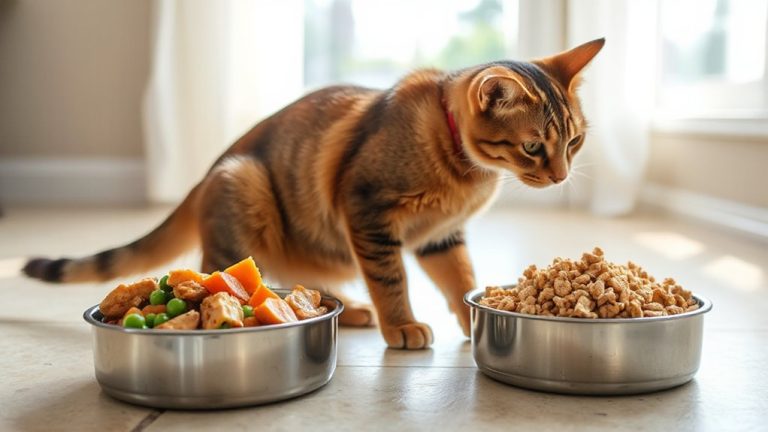
You’ve got portion control down-now let’s break down what actually goes into those measured meals. A balanced tiny dog meal delivers nutrient diversity in precise ratios: 40% animal-based protein, 50% digestible carbohydrates, and 10% fats. High-quality ingredients like deboned chicken, brown rice, and flaxseed guarantee ideal amino acid and fatty acid profiles. Meal texture matters-it should combine kibble for dental health and soft morsels for palatability, especially for small jaws. Include moderate fiber-between 2–4%-to support digestion without excess bulk. Vitamins A, D, E, and B12 must meet AAFCO minimums for toy breeds. Each meal should contain taurine and L-carnitine for cardiac function. Avoid fillers like corn syrup or animal by-products. Fresh water must always accompany the meal, and all components must fit within your container’s ¼ to ½ cup capacity, depending on your dog’s weight. Accuracy guarantees long-term health.
When to Feed Your Toy Dog for Steady Energy
Why do some toy dogs seem to crash after a burst of energy? Their small bodies burn through calories quickly, causing sharp energy peaks and crashes. A consistent feeding schedule prevents these fluctuations. Feed your toy dog three to four meals daily, spaced evenly from morning to night. This maintains stable blood glucose levels. Energy peaks typically occur 30 to 60 minutes after eating, so timing meals helps direct activity. Skipping meals leads to hypoglycemia, especially in breeds under 10 pounds. Each meal should contain balanced macros: 18–22% protein, 5–8% fat, and complex carbohydrates. Portion-controlled containers guarantee accurate serving sizes, usually 1/4 to 1/2 cup per meal depending on weight. Adhering to a strict feeding schedule supports metabolism and focus. Avoid feeding only once or twice daily-this overloads digestion and worsens energy instability.
Best On-the-Go Feeders for Toy Dogs
Keeping your toy dog energized throughout the day means more than just timing meals-it also requires reliable tools when you’re away from home. Travel friendly designs guarantee portability without sacrificing function. Look for compact feeders no larger than 6 inches tall with portion dividers up to ½ cup capacity-ideal for precise mini-meals. Leak proof materials like BPA-free silicone seals and snap-lock lids prevent spills in bags or cars. Rigid outer shells withstand drops, while interior compartments resist moisture and maintain kibble freshness for up to 8 hours. Top-loading models allow quick access, while base-stable containers reduce tipping on uneven surfaces. For extended outings, models with insulated liners preserve dry food quality. Some feature integrated water flasks (8–12 oz capacity) with secure no-drip nozzles. Choose lightweight polymers under 10 ounces to minimize carry weight. These technical features support consistent feeding schedules without mess or waste-essential for maintaining metabolic balance in toy breeds during travel.
Skipping Meals and Free-Feeding: Big Mistakes for Tiny Dogs
How often should a toy breed eat to maintain stable blood sugar and energy levels? You should feed your toy dog three to six small meals daily. Skipping meals risks hypoglycemia, especially in puppies and seniors. Meal skipping risks include lethargy, seizures, and compromised immunity due to inconsistent glucose supply. Toy breeds have limited glycogen stores, making regular intake critical. Free feeding dangers include overeating, obesity, and reduced effectiveness of portion-controlled nutrition plans. Ad libitum feeding prevents accurate calorie tracking and disrupts metabolic regulation. Use portion-controlled containers to dispense 1/4 to 1/2 cup per meal, based on your dog’s weight and activity level. This method guarantees nutrient consistency and prevents digestive stress. Pre-portioning supports veterinary dietary guidelines and enhances gastrointestinal motility. Avoid unpredictable intake patterns. Structured feeding schedules optimize energy, digestion, and long-term health outcomes. You’re responsible for maintaining metabolic stability through disciplined meal timing and measured portions.
On a final note
You must feed toy breed dogs small, frequent meals to maintain stable blood sugar. Use portion-controlled containers sized for 1/4 to 1/2 cup capacity to guarantee accurate feeding. Stainless steel or BPA-free plastic containers with secure lids prevent spoilage and contamination. Balance meals with 30% protein, 20% fat, and digestible carbohydrates. Avoid free-feeding; stick to a strict schedule of three to four meals daily.