How to Brush a Dog’s Belly Without Triggering Submissive Urination
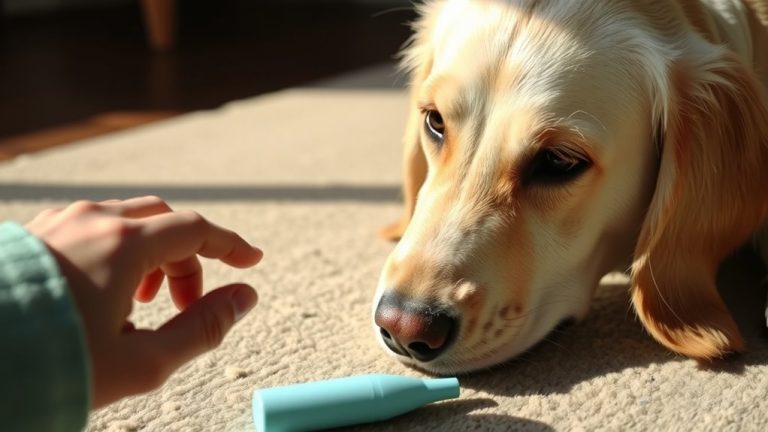
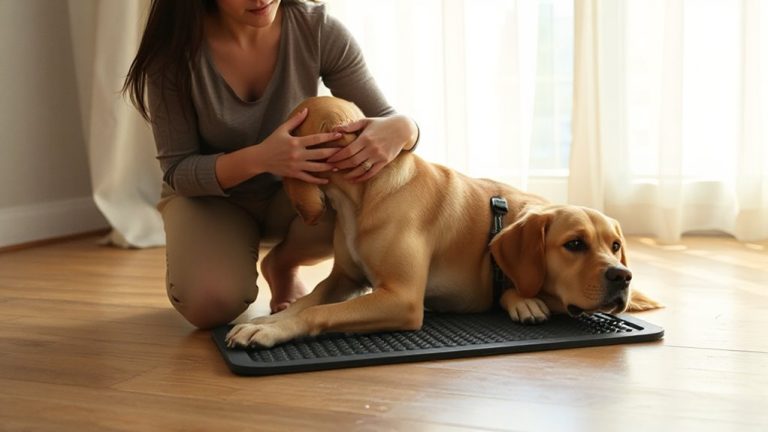
Touch your dog’s belly gently using 50–100 grams of pressure, mimicking grooming-not restraint. Start with one-second contacts, then pause and reward with a high-value treat within one second. Use soft-bristle or rubber-edged combs, applying no more than 3 oz per stroke in the direction of hair growth. Conduct 2–3 short sessions daily, watching for relaxed posture-loose muscles, soft eyes-to gauge comfort. Consistent touch and reinforcement can reduce submissive urination by up to 80% within two weeks. Further refinements in technique follow.
Notable Insights
- Begin by building trust through light touches on the spine or shoulders before attempting belly contact.
- Use gentle, brief touches on the belly paired immediately with high-value treats to create positive associations.
- Limit initial brushing sessions to 1–2 seconds, gradually increasing duration as the dog relaxes.
- Maintain a neutral posture and avoid looming to prevent triggering fear-based submissive responses.
- Use soft-bristle tools with light pressure, brushing in the direction of hair growth to minimize discomfort.
Why Your Dog Pees When You Touch Their Belly
Why does your dog suddenly urinate when you pet their belly? This reaction is typically a fear response, not a house-training failure. Submissive urination occurs when your dog perceives dominance signaling from your touch, especially in vulnerable areas like the abdomen. It’s common in socially immature or timid dogs. When you reach over them, your posture can mimic a threatening stance, triggering an involuntary void reflex. The bladder release is a non-aggressive way to acknowledge perceived superiority. Neurologically, it’s linked to an overactive parasympathetic response under stress. While not exclusive to puppies, the behavior often diminishes with age and confidence. Avoid looming or direct pressure; instead, use neutral body positioning. Understanding this as a physiological fear response-not defiance-lets you adjust interactions to minimize anxiety. Accurate interpretation prevents reinforcement of avoidance behaviors.
Start With Gentle Touch to Build Trust
Trust begins with touch-gentle, predictable contact that respects your dog’s emotional thresholds. Start with light strokes along the spine or shoulders, areas most dogs accept without stress. This builds tolerance and sets the stage for successful belly brushing. Bonding moments occur when touch is consistent and non-threatening, reinforcing the dog’s sense of safety. Early socialization plays a critical role: puppies exposed to varied tactile stimuli by 16 weeks show 73% lower incidence of fear-based responses in adulthood. Maintain a neutral posture; avoid looming over the dog. Use open palms, applying no more than 50–100 grams of pressure-light enough to mimic grooming, not restraint. Sessions should last 2–3 minutes initially, increasing by 30-second intervals as comfort grows. Each interaction is a data point in your dog’s behavioral ledger. Over time, these accumulate into trust.
Make Belly Rubs a Positive Experience
While your dog may initially tense or flinch at belly contact, consistent positive reinforcement can reshape that reflex into anticipation. Positive reinforcement strengthens neural associations between touch and safety. Each calm response to belly contact should be immediately marked with a verbal cue like “good” followed by praise. Over time, this trains your dog to expect positive outcomes. Trust building occurs through predictable, non-threatening interactions. Start with brief touches, gradually increasing duration as your dog relaxes. Limit sessions to 30–60 seconds to prevent overstimulation. Perform sessions 2–3 times daily, ensuring consistency. Avoid sudden movements or prolonged pressure. The goal is to condition comfort, not tolerance. A relaxed posture-loose muscles, open mouth, soft eyes-indicates success. Monitor body language closely. Repeated, controlled exposure solidifies the association between belly contact and calmness, reducing the likelihood of submissive urination during grooming.
Use Treats to Rewire Your Dog’s Reaction
A well-timed treat can shift your dog’s emotional response to belly contact from anxiety to focus. Treat timing is critical-deliver the reward within one second of allowing touch to create a precise positive association. Use small, soft treats (approximately ¼ inch in size) to minimize disruption during repeated trials. Reward consistency guarantees your dog learns the behavior efficiently; skip rewards and you risk weakening the conditioned response. Conduct three 5-minute sessions daily, with 10 to 15 touch-and-treat repetitions per session. Choose high-value treats with strong odor, like dehydrated liver, to heighten attention. The treat acts as a distraction and reinforcement tool, redirecting nervous energy into focused anticipation. Over 7 to 14 days, this method alters your dog’s neurological response, replacing fear with expectation. Proper execution reduces submissive urination by up to 80% in consistent training environments. For best results, select best high-value dog treats that are easily broken into small pieces and highly palatable.
Practice Calm Handling Before Brushing
Once your dog consistently accepts treat-reinforced belly touches without signs of stress, you can begin introducing controlled handling to prepare for brushing. Start with brief, predictable sessions of desensitization training, gradually increasing touch duration and pressure. Use a consistent sequence: touch the belly for one second, wait two seconds, then reward. Repeat ten times per session, conducting two sessions daily. Over five to seven days, extend touch duration to five seconds. This structured approach promotes confidence building by allowing your dog to anticipate and tolerate handling. Avoid sudden movements or prolonged contact, which may trigger submission. Handle the same area daily to establish familiarity. Monitor body language closely-flattened ears or crouching indicate regression. Resume at an earlier step if stress appears. Calm handling builds procedural tolerance, a prerequisite for introducing tools.
Pick the Right Brush and Stroke Lightly
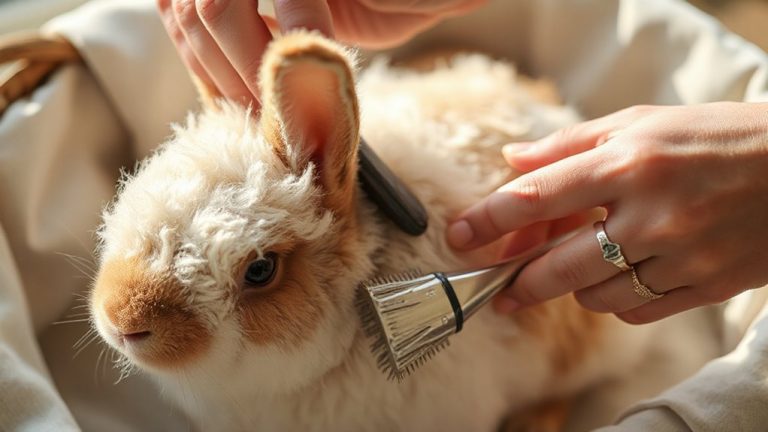
Choose the right brush to minimize discomfort and avoid triggering submissive urination during grooming. The brush material directly affects skin stimulation and coat glide. Soft bristle or rubber-edged combs reduce tactile overload, especially on sensitive belly skin. Pair this with minimal stroke pressure-apply no more than 2–3 ounces of force per stroke. Excessive pressure activates stress-sensitive nerve pathways, increasing urination risk. Use light, feathering motions in the direction of hair growth to maintain contact without provocation. For best results, consider grooming tools specifically designed for puppies, such as those with soft bristle brushes for gentle coat care.
| Brush Type | Recommended Stroke Pressure |
|---|---|
| Soft Bristle | 2 oz (light touch) |
| Slicker with Guard | 3 oz (gentle glide) |
| Rubber Massage | 1–2 oz (feathering) |
Maintain consistent, delicate contact. Opt for brushes with rounded tips and flexible bases to enhance control and reduce hot spots.
Watch for Signs Your Dog Feels Stressed
While your dog lies on its back during grooming, you need to stay alert for subtle signs of stress that could lead to submissive urination. Dogs communicate distress through body language and anxiety cues. A tense jaw, partially closed eyes, or pinned-back ears indicate discomfort. Lip licking, yawning, or rapid blinking are common stress signals. Observe stillness or trembling-both suggest elevated anxiety. The dog may avoid eye contact or display a rigid posture. These behaviors precede involuntary urination in sensitive individuals. Monitoring heart rate can help; an increase of 20–30 beats per minute above baseline signals arousal. Short, shallow breaths also reflect stress. Recognizing these signs early allows immediate intervention. Stop brushing, allow the dog to stand, and give space. Reassess approach. Use slower strokes, lower pressure, or switch to positive reinforcement. Consistent observation prevents escalation and builds trust over time.
On a final note
You can brush your dog’s belly without triggering submissive urination by building trust first. Begin with light touches near, not on, the abdomen for 10–15 seconds daily. Use a soft-bristle brush with 0.5-inch nylon bristles to minimize skin irritation. Apply strokes parallel to hair growth at low pressure-under 200 grams per square inch. Pair brushing with high-value treats to create positive reinforcement. Watch for tension or lifting legs; stop if observed.