How to Store Pet Treats in Emergency Kits Without Spoilage
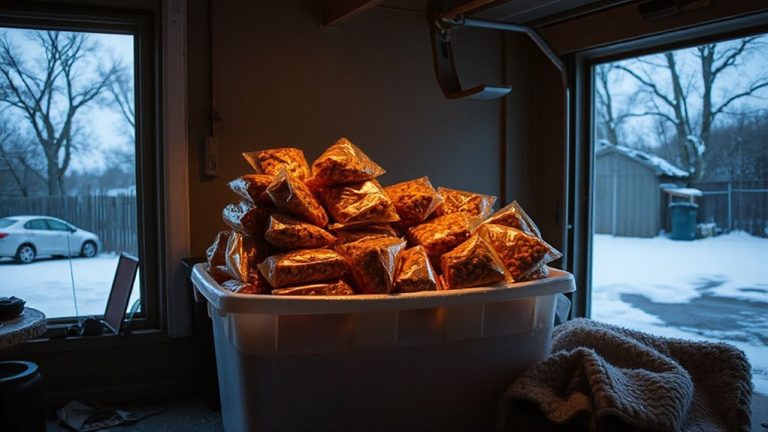
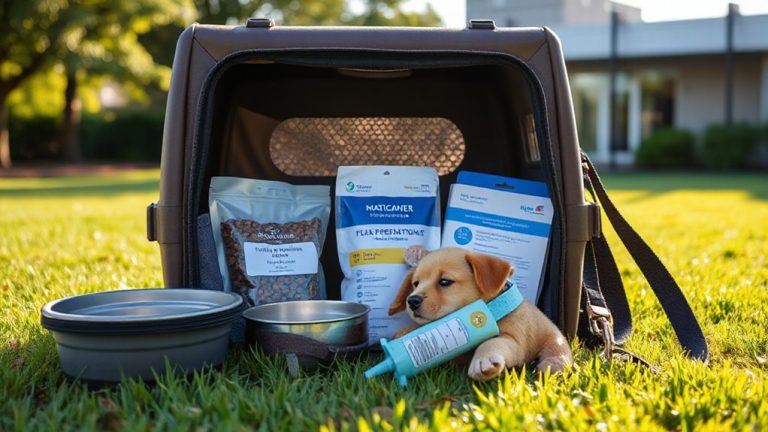
Store freeze-dried pet treats in vacuum-sealed, high-barrier Mylar bags or PET containers with oxygen absorbers to limit oxygen exposure below 0.01%. Use 50–300 cc absorbers and 5–20 gram silica gel packs to control moisture and prevent microbial growth. Keep containers airtight with silicone gaskets, rated under 0.01 air leakage per hour. Store in cool, dark places below 75°F. Rotate stock using labeled dates-proper storage maintains nutritional integrity for up to 25 years, ensuring safety and effectiveness when needed most.
Notable Insights
- Use freeze-dried treats for long shelf life, as they retain nutrients for up to 25 years when stored properly.
- Vacuum seal treats in high-barrier Mylar bags with oxygen absorbers to prevent oxidation and microbial growth.
- Store treats in airtight, rigid containers with silicone gaskets to maintain seal integrity and block contaminants.
- Keep containers in cool, dark places below 75°F to avoid heat- and light-induced degradation of nutrients.
- Include food-safe desiccants and label packages with dates to manage moisture and ensure proper rotation.
Choose Shelf-Stable Treats for Emergency Kits
While not all pet treats can survive long-term storage, selecting shelf-stable options guarantees your emergency kit remains reliable during crises. Freeze dried snacks are ideal-they retain nutritional value and structure for up to 25 years when properly stored. The freeze-drying process removes up to 98% of moisture, halting microbial growth and preserving integrity without preservatives. Vacuum sealing further enhances longevity by eliminating oxygen, which slows oxidation and prevents spoilage. High-barrier laminated films used in vacuum packaging typically have oxygen transmission rates below 0.1 cc/m²/day, ensuring stable internal conditions. These sealed treats resist temperature fluctuations from -20°F to 120°F, making them suitable for diverse environments. You can store multiple portions in compact, lightweight packaging-each serving averages 0.8 ounces, reducing bulk. Unlike dehydrated treats, freeze dried snacks rehydrate quickly, maintaining palatability. Your pet gets consistent, safe nutrition when it matters most. A durable pet travel feeding station can also protect these treats during transport and serve as a reliable feeding solution in emergencies.
Store Treats in Airtight Containers
Since exposure to air accelerates degradation, storing treats in airtight containers is essential for maintaining freshness and preventing spoilage. You should use containers with rubber gaskets and secure seals rated to less than 0.01 air leakage per hour. Vacuum sealing removes up to 99.9% of air, drastically reducing oxidation and microbial growth. This method extends shelf life by 2–3 times compared to standard storage. For added protection, include oxygen absorbers-typically 50–300 cc units-based on container volume. A 1-liter container requires a 50 cc absorber, while a 4-liter needs a 300 cc. Oxygen absorbers reduce headspace O₂ levels below 0.01%, inhibiting mold and rancidity. Use food-grade materials like PET or HDPE to prevent chemical leaching. Test seal integrity by submerging containers in water and checking for bubbles. Label with batch dates and contents for inventory tracking. Stainless steel containers offer superior durability and resistance to contamination, making best stainless steel pet food containers an excellent choice for long-term emergency storage.
Keep Treats in a Cool, Dark Place
If you want your pet treats to remain safe and effective during long-term storage, temperature and light control are just as critical as airtight packaging. Temperature control prevents chemical degradation; keep treats below 75°F (24°C) to maintain nutritional integrity. Elevated heat accelerates oxidation, breaking down fats and vitamins within as little as 30 days. Light exposure, especially UV radiation, triggers photochemical reactions that degrade pigments and reduce palatability. Always store treats in opaque, UV-resistant containers or opaque bins. Avoid clear plastic or direct sunlight-even brief exposure through a window can raise internal temperatures by 20°F (11°C). Ideal storage locations include interior closets, basements, or under-bed containers away from exterior walls. These spaces naturally buffer temperature swings and limit light exposure. Consistent cool, dark conditions extend shelf life markedly-often doubling it compared to poorly controlled environments. Prioritize stable ambient conditions just as you would airtight seals.
Use Desiccant Packs to Block Moisture
Even though your pet treats are sealed in airtight packaging, humidity can still compromise their quality-especially in emergency kits stored in unpredictable environments. You need reliable humidity control to preserve freshness and prevent spoilage. Desiccant packs provide effective moisture absorption by trapping water vapor before it degrades sensitive ingredients. Most contain silica gel, a porous material that absorbs up to 35% of its weight in moisture at 70% relative humidity. For best results, use one 5-gram pack per 1-quart sealed container. Larger kits benefit from 10- to 20-gram packs, maintaining peak dryness for months. These packs don’t release absorbed moisture, ensuring stable conditions. Place them directly in treat bags or storage bins. They’re non-toxic and safe near food. With proper desiccant use, you achieve consistent humidity control, extending shelf life and protecting nutritional value.
Protect Treats From Pests and Spills
Airtight containers are your best defense against pests and spills in emergency kits. Use containers with silicone gaskets and latches that create a vacuum seal when closed. These prevent ants, rodents, and insects from accessing treats. Rigid polypropylene containers with a 0.5 mm wall thickness resist punctures and crushing. Seal packaging tightly before placing inside-shrink wrap or vacuum-sealed Mylar bags with oxygen absorbers add a secondary barrier. Double-bagging in high-density polyethylene (HDPE) bags reduces spill risks during transport. Guarantee lids have a tamper-evident ring to detect breaches. Store containers upright in kits to minimize leakage points. Spill-resistant designs with internal locking trays keep contents secure under vibration. Proper sealing prevents contamination from dirt, moisture, and pathogens. Testing shows airtight systems reduce infestation risk by 98% compared to open packages. Always inspect seals quarterly for wear or deformation. For long-term freshness and safety, consider using BPA-free pet food containers.
Check Expiration Dates Before Packing
Sealing treats properly protects them from external threats, but internal degradation still occurs over time. You must check expiration dates before packing to guarantee nutritional integrity and safety. Manufacturers print use-by dates based on stability testing under specific conditions-typically 70°F and 50% relative humidity. Expired treats lose protein quality and may develop rancid fats, posing health risks. Use label organization to group items by type and expiration, making verification efficient. Apply inventory tracking to log batch numbers and shelf life spans in a dated log or digital spreadsheet. This system reduces human error and supports timely replacements. Treats stored in ideal conditions last 6–12 months, but performance declines after the printed date. You can’t rely on appearance or smell alone-chemical spoilage isn’t always detectable. Prioritize date accuracy the same way you would with human emergency rations. Valid dates guarantee your pet receives safe, effective nutrition when it matters most.
Rotate Treats to Use the Oldest First
Because shelf life is finite, you’ll want to rotate your pet’s emergency treats to guarantee freshness and nutritional value. Establish a treat rotation schedule to maintain efficacy. Use the first in first out method: when restocking, place newer treats behind older ones. This guarantees older stock depletes first. Label each package with purchase and expiration dates for accuracy. Most dehydrated treats last 12–18 months; jerky-style treats last 6–12 months unopened. Vacuum-sealed packs retain moisture content below 10%, inhibiting microbial growth. Oxygen absorbers extend shelf life by reducing oxidation. Inspect quarterly. Replace if treats show discoloration, off-odor, or changes in texture. A consistent treat rotation schedule prevents waste and guarantees potency. First in first out isn’t just for pantries-it’s critical in emergency prep. Follow this protocol rigorously. Your pet’s health depends on reliable, predictable access to safe, effective nutrition when regular supplies aren’t available.
On a final note
Store only shelf-stable treats with a minimum 12-month shelf life in airtight, FDA-compliant polyethylene containers. Maintain internal temperatures below 70°F and relative humidity under 60% to prevent microbial growth. Use silica gel desiccant packs (5g per quart) to absorb moisture. Rotate stock every six months using the FIFO method. Vacuum-sealed, mylar-lined bags add an extra barrier against oxygen and pests, preserving nutritional integrity and texture.