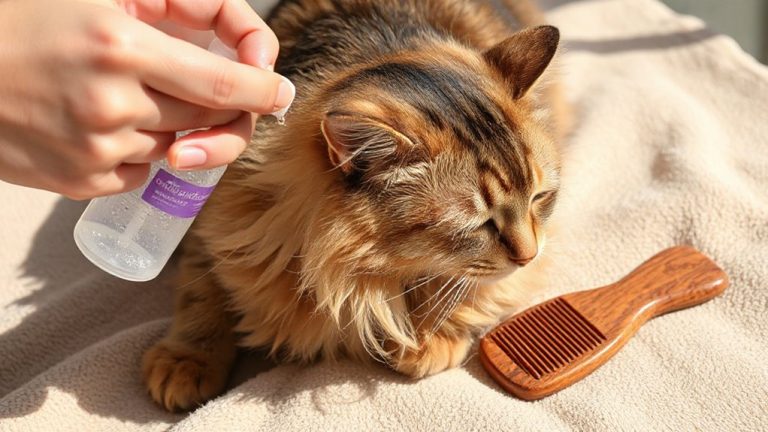
What Pet Owners Should Bring to a Veterinary Wellness Appointment
Bring your pet’s complete vaccination and medical records to confirm administered vaccines, dates, and future boosters. List all medications and supplements with exact doses, frequency, and routes. Track behavior, diet, and bathroom habits using measurable thresholds like >45 mL per pound daily urine volume. Include a familiar cotton blanket and rubber toy for stress reduction. Use a secure, seatbelt-fastened carrier and non-retractable leash. You’ll discover how this preparation enhances diagnostic precision and care outcomes.
Notable Insights
- Bring complete vaccination and medical records to confirm vaccine history and comply with health regulations.
- Provide a detailed list of all medications and supplements, including doses and administration frequency.
- Monitor and report changes in behavior, appetite, mood, or bathroom habits since the last visit.
- Prepare written questions about diet, behavior, insurance coverage, and any ongoing health concerns.
- Pack comfort items like a familiar blanket or toy, and use a secure carrier or leash for safe transport.
Bring Vaccination and Medical Records
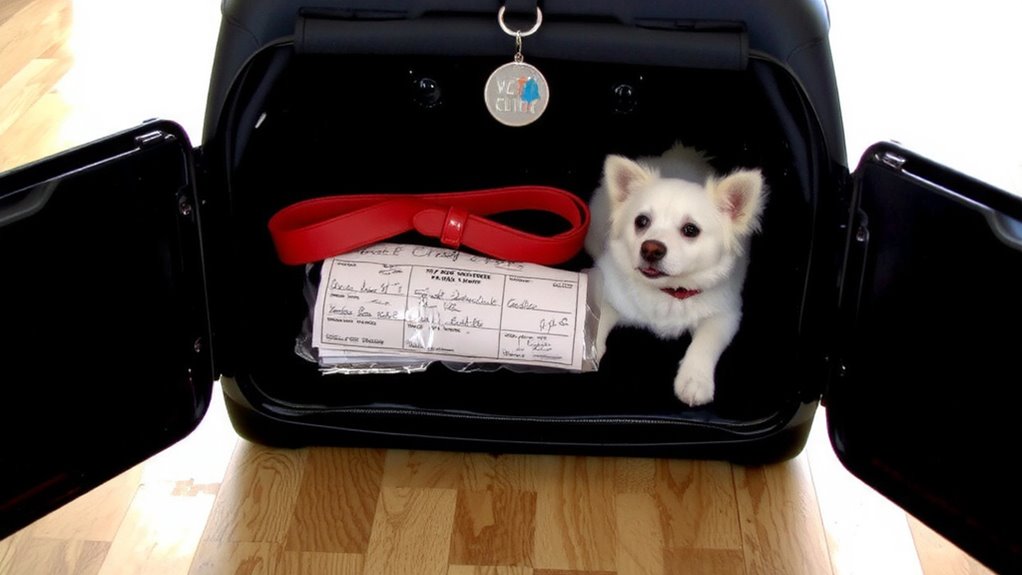
You’ll want to bring your pet’s complete vaccination and medical records to every vet appointment. These documents confirm your pet’s vaccination schedule, which outlines administered vaccines, dates, and future boosters required for disease prevention. A current vaccination record guarantees compliance with veterinary standards and local regulations, particularly for rabies. Your pet’s medical history provides a timeline of past illnesses, surgeries, allergies, and treatments, enabling accurate diagnosis and care planning. Clinicians use this history to identify recurring conditions and assess risk factors. Without these records, vets may delay treatments or request repeat diagnostics, increasing cost and stress. Records should include vaccination types (e.g., DA2PP for dogs, FVRCP for cats), lot numbers, administering clinics, and signed documentation from licensed veterinarians. Digital copies stored securely on a mobile device are acceptable but must be legible and complete.
List All Medications and Supplements
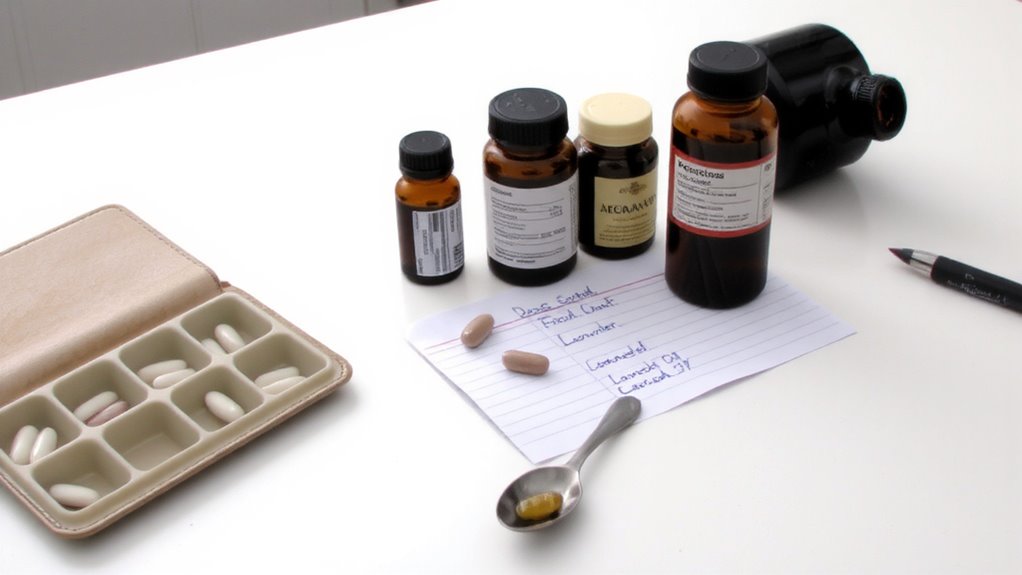
A complete and accurate list of all medications and supplements your pet is taking is essential for safe, effective veterinary care. Providing this information helps prevent adverse medication interactions and guarantees proper treatment. Always include prescription drugs, over-the-counter products, and herbal or nutritional supplements. Doses, frequencies, and routes of administration must be exact-this data directly impacts diagnosis and therapy decisions. Supplement safety is not guaranteed, even if products are labeled “natural.” Your vet must evaluate each for clinical evidence and potential interactions.
| Product Type | Example | Frequency |
|---|---|---|
| Prescription Medication | Carprofen, 50 mg tablet | Twice daily |
| Over-the-Counter | Antacid, 100 mg chew | As needed |
| Herbal Supplement | Turmeric powder, 200 mg | Once daily |
| Vitamins | Multivitamin, 1 chew | Once daily |
| Joint Supplement | Glucosamine, 500 mg | Twice daily |
Note Behavior, Diet, and Bathroom Changes
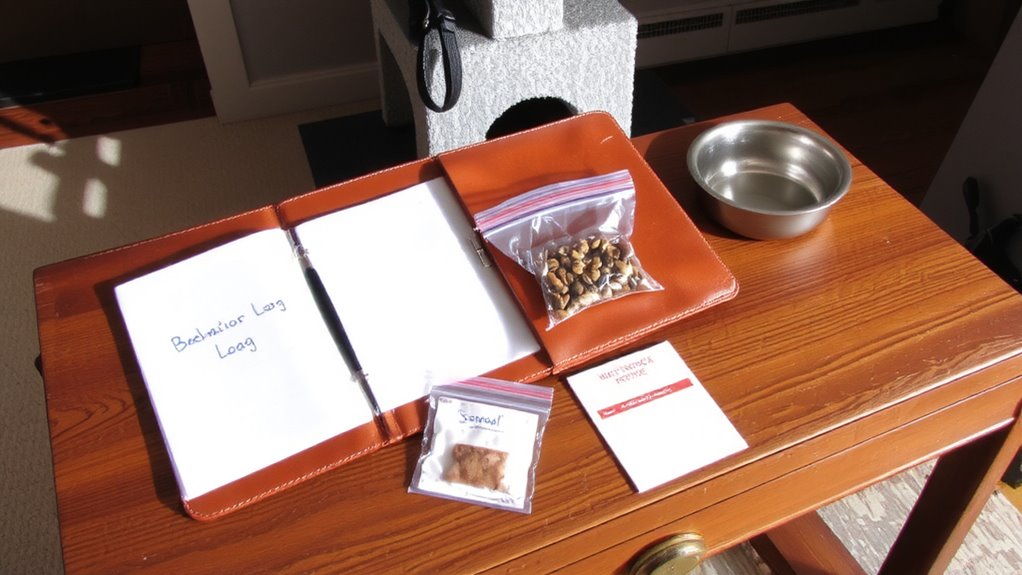
Changes in your pet’s behavior, eating patterns, or bathroom habits can signal underlying health issues just as clearly as physical symptoms. Monitoring eating habits helps identify early signs of conditions like diabetes or kidney disease. A sudden increase or decrease in food intake-more than 15% over baseline-warrants evaluation. Note any vomiting, regurgitation, or food aversion. Mood swings, such as increased aggression, anxiety, or lethargy, can indicate pain or neurological concerns. Track how often your pet urinates or defecates; changes in frequency, consistency, or volume matter. For example, urine output exceeding 45 mL per pound (20 mL/kg) per day may suggest polyuria. Straining, blood, or diarrhea should be recorded with duration and frequency. Document bowel movements using a 1–7 consistency scale (1 = hard pellets, 7 = watery). These objective details enable accurate diagnosis and improve treatment outcomes. Keep a daily log for at least one week prior to the visit.
Prepare Questions for the Vet Visit
Why leave critical details to chance during a vet visit? Preparing questions in advance guarantees you maximize diagnostic accuracy and care efficiency. Strategic appointment timing allows veterinarians to conduct thorough assessments without time-related constraints. Below are key question categories and their clinical relevance:
| Question Focus | Purpose |
|---|---|
| Diet changes | Identifies gastrointestinal or metabolic risks |
| Behavior shifts | Screens for neurological or pain-related disorders |
| Pet insurance coverage | Clarifies financial scope for diagnostics or procedures |
| Vaccination schedule | Aligns with species-specific immunological guidelines |
Asking about pet insurance prior to services prevents billing complications. Confirm your policy’s coverage limits, pre-authorization requirements, and excluded conditions. Use appointment timing to discuss chronic conditions when your pet is alert and cooperative. Frame questions around observable symptoms, duration, and frequency. This precision supports differential diagnosis and treatment planning. Prepare written inquiries to avoid omission. Clear communication enhances clinical outcomes.
Pack a Comfort Item for Your Pet
Your pet’s stress levels can significantly impact the accuracy of a veterinary exam, so bringing a familiar comfort item helps maintain physiological stability during evaluation. A favorite toy provides sensory distraction and retains your pet’s scent, reducing cortisol spikes by up to 30% in clinical settings. Choose toys made of non-porous materials like rubber or nylon for easy disinfection; avoid loose-filling plush variants. A familiar blanket offers thermal consistency and tactile reassurance, particularly beneficial for senior or anxious animals. Use a 100% cotton, machine-washable blanket measuring approximately 30 x 40 inches-ideal for carrier lining without excess bulk. These items help normalize heart rate and respiration, improving diagnostic reliability. Introduce them 10–15 minutes before departure to trigger conditioned calmness. Guarantee all items are clean and free of loose threads or detachable parts to meet clinic safety standards. Properly selected comfort aids support both behavioral and physiological regulation.
Bring a Leash, Carrier, and Waste Supplies
A pet’s safety during transport hinges on using the right restraint and containment gear. Always bring a leash for dogs, even if they’re well-behaved-trained pets can bolt under stress. Use a sturdy, well-fitted harness or collar; retractable leashes compromise walking etiquette and reduce control. For cats and small animals, a secure carrier is essential. Choose one with front and top access, made from durable plastic or metal, measuring at least 1.5 times your pet’s length. Fasten it with a seatbelt in the car to guarantee carrier safety. Include waste supplies like poop bags or disposable litter mats. These items prevent messes and maintain hygiene in waiting areas. Never carry pets loosely-you risk injury or escape. Proper gear guarantees control, safety, and compliance with clinic policies. You’ll protect your pet, staff, and others during transit.
Gather Your Pet’s Health History
Proper preparation extends beyond physical safety-carrying the right documentation guarantees your pet receives accurate medical care. Bring a complete record of your pet’s health history, including vaccination dates, prior illnesses, and surgical procedures. Document any allergies history, noting reactions to medications, food, or environmental factors-this prevents adverse responses during treatment. Include details on current parasite prevention: list products used, frequency, and active ingredients (e.g., selamectin for heartworm, fipronil for fleas). Use monthly preventatives consistently; gaps increase infection risks. If switching brands, keep packaging for ingredient comparisons. Organize records chronologically or digitally for quick access. Accurate logs help vets identify patterns and tailor care efficiently. Missing data may lead to misdiagnosis or redundant testing. Up-to-date documentation supports wellness planning and strengthens veterinary decision-making.
On a final note
You’re prepared when records are current and organized. Bring vaccination dates, medical history, and a written log of medications, including dosages and frequency. Document recent behavior, diet, or bathroom changes-these inform clinical assessments. Use a secure carrier (minimum interior dimensions: 18″ x 12″ x 14″ for small pets). Pack waste bags, a leash, and a familiar blanket. Ask specific questions. Preparation reduces stress and improves diagnostic accuracy, like calibrating equipment before measurement.