How to Remove Loose Hair From a Pomeranian’s Thick Winter Coat
Use a slicker brush with fine, bent stainless steel wires spaced 0.2 inches apart to lift loose undercoat hair without damaging the topcoat. Follow with a dual-blade undercoat rake spaced 0.5 inches apart for deeper extraction. Brush in sections using light to medium pressure, focusing on high-friction zones. Weekly use of a de-shedding blade with a 2.5-inch edge and micro-teeth removes compacted underfur. You’ll discover more effective techniques just ahead.
Notable Insights
- Use a slicker brush with fine, bent wires to effectively remove loose hair from the topcoat.
- Employ an undercoat rake with dual blades to extract dense, dead undercoat during winter shedding.
- Bathe your Pomeranian with oatmeal-based shampoo to loosen compacted underfur before brushing.
- Use a de-shedding blade weekly to safely remove loose hair without damaging the coat.
- Brush in sections with light to firm strokes, focusing on high-shedding areas like the topline and belly.
Choose the Right Tools for Pomeranian Winter Coat De-Shedding
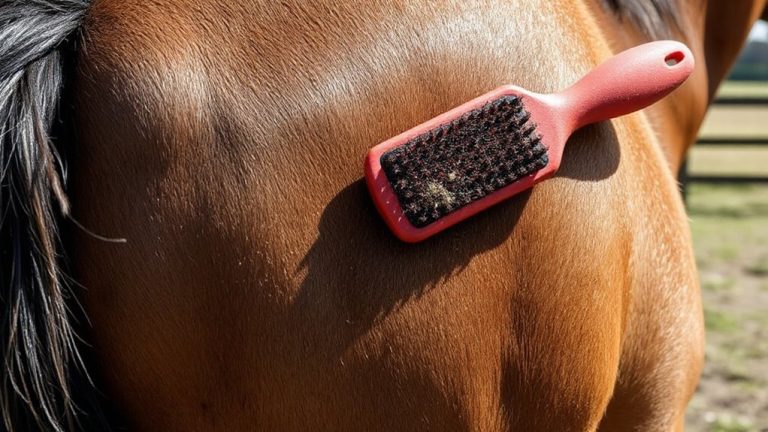
While every tool claims to tackle shedding, only a few deliver precise results on a Pomeranian’s double coat. You need tools designed for dense undercoat and long guard hairs. The coat texture demands a slicker brush with fine, bent wires spaced 0.2 inches apart to penetrate without skin irritation. Stainless steel pins resist corrosion and maintain tension after repeated use. For undercoat removal, use an undercoat rake with dual blades spaced 0.5 inches apart; this reduces pull on live hair while extracting dead fur down to the skin. Tool material matters-avoid plastic handles; opt for ergonomic rubber grips to reduce hand fatigue during extended sessions. A de-shedding blade with a 2.5-inch cutting edge and micro-teeth works best weekly. Its tempered steel construction slices through compacted undercoat without damaging guard hairs. Match each tool to your Pom’s specific coat texture and shedding cycle for ideal, consistent results. Top deshedding tools combine precision engineering with durable materials to maximize effectiveness, making top picks essential for maintaining a healthy coat year-round.
Brush Your Pomeranian’s Winter Coat Without Causing Matting
Start by sectioning your Pomeranian’s coat into manageable parts using clip clips, especially in high-friction areas like behind the ears, under the legs, and along the belly where mats form most often. Use consistent brush pressure to detect tangles early without pressing into the skin. Match your technique to the coat texture-thicker areas need slower, deliberate strokes.
| Area of Coat | Recommended Brush Pressure |
|---|---|
| Behind ears | Light, short strokes |
| Under legs | Medium, careful tension |
| Along belly | Light to medium |
| Topline | Firm, even passes |
| Tail base | Gentle, frequent checks |
Work in small sections, lifting fur to expose the undercoat. Detangle with a slicker brush before using a metal comb. Avoid excessive force-mats loosen gradually. Proper brush pressure prevents skin irritation and maintains coat texture integrity. Consistent grooming preserves insulation and prevents painful clumping. Choosing the right tool for your dog’s coat type makes a significant difference, and a high-quality dog grooming brush can greatly improve effectiveness and comfort during de-shedding sessions.
Use Bathing to Loosen and Remove Thick Winter Undercoat
Bathing your Pomeranian is a strategic step in managing their dense winter undercoat, especially after routine brushing has loosened surface tangles but left compacted fur close to the skin. Use lukewarm water with a temperature between 98°F and 102°F to open hair follicles without shocking your dog’s system. This warmth helps loosen embedded undercoat fibers. Choose a high-quality, oatmeal-based shampoo designed for double-coated breeds-it preserves natural skin oils while effectively lifting dead undercoat. Avoid harsh detergents; improper shampoo selection can strip protective sebum and trigger excess shedding. Wet the coat thoroughly to saturation, ensuring water penetrates down to the skin. Massage the shampoo in circular motions to dislodge compacted underfur. Rinse completely; residual shampoo attracts dirt and causes irritation. Bathing in this manner can remove up to 70% of loose undercoat, markedly reducing shedding and improving coat health. For optimal results, consider using a dog grooming tub that provides secure positioning and easy water access during the bathing process.
Trim Tangles Before They Damage the Winter Topcoat
When matting begins to form in your Pomeranian’s topcoat, it can compress the dense undercoat and restrict proper air circulation, leading to skin irritation and potential hot spots. Prevent skin irritation by routinely inspecting high-friction areas-behind ears, under legs, and around the collar. Mats trap moisture and restrict airflow, weakening the coat’s natural barrier. Use blunt-nose scissors or a precision dematting tool with a 0.5 mm blade clearance to safely cut through tangles without cutting skin. Trim only what’s necessary-remove matted sections measuring more than 1.5 inches in diameter. Larger mats disrupt insulation layers. Preserve coat insulation by maintaining the topcoat’s length, ideally between 2 to 3 inches, which shields the undercoat from environmental stress. Never shave unless medically necessary-it compromises thermal regulation. Regular trimming of tangles guarantees air circulation and structural coat integrity, minimizing long-term damage.
Stick to a Weekly Winter Grooming Routine for a Fluffy Pomeranian
Weekly grooming during winter is essential to maintain your Pomeranian’s full, insulating double coat. Brush at least once a week using a slicker brush and metal comb to remove loose undercoat hair, preventing matting. This double coat traps body heat, so consistent detangling preserves thermal efficiency. Use a deshedding tool weekly to extract dead hair from the dense underlayer without damaging guard hairs. Maintain indoor humidity between 40% and 60% to prevent dry skin and coat brittleness. Low humidity increases static, making tangles worse. Support coat health with balanced winter nutrition rich in omega-3 and omega-6 fatty acids. These nutrients strengthen hair follicles and improve oil production. Feed a high-quality diet providing 22% protein and 8% fat minimum. Grooming plus proper hydration and nutrition guarantees a resilient, fluffy coat.
On a final note
Regular grooming prevents matting and maintains coat health. Use a slicker brush with 0.5 mm bent pins and a stainless-steel comb with 0.8 mm spacing to penetrate the dense undercoat. Bathe monthly with a pH-balanced, oatmeal-based shampoo to loosen dead hair. Trim tangles with curved blunt-tipped scissors (7.5 cm blades) to preserve topcoat integrity. Follow a weekly routine: 15-minute brushing sessions reduce shedding by up to 60%.