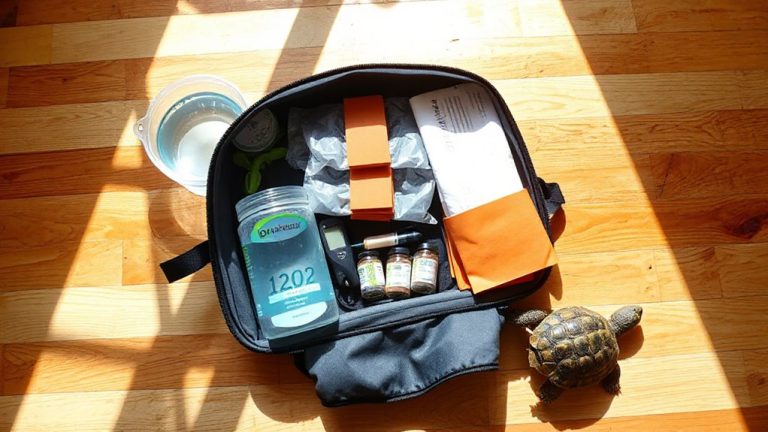
Checking Your Pet’s Pads for Cuts and Foreign Objects Daily
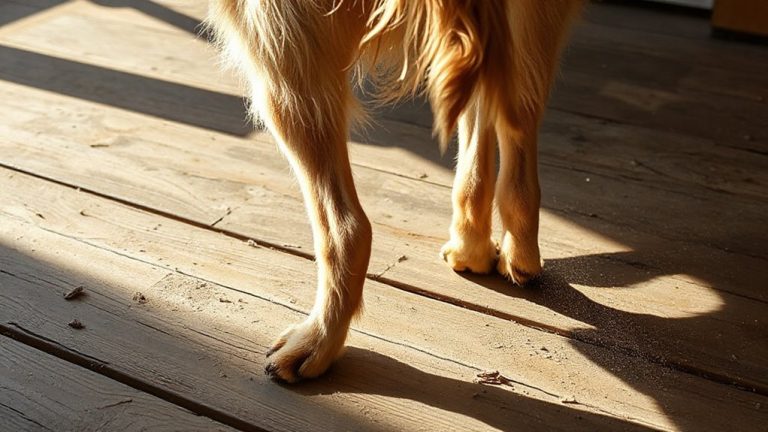
Check your pet’s paws daily, especially after walks on hot pavement or rough terrain. Inspect between pads and toes for cuts, swelling, or embedded debris like thorns or glass. Use a soft, damp cloth to clean and improve visibility. Look for redness, abrasions, or limping persisting beyond 24 hours. Swelling exceeding 2 mm beyond the pad edge signals inflammation. Use a bright LED light to spot hidden foreign bodies. Early detection prevents infection and guides timely care decisions. You’ll learn the correct tools and techniques for safe, effective home inspections.
Notable Insights
- Inspect your pet’s paw pads daily, especially after walks, to detect cuts, swelling, or foreign debris.
- Use a soft, damp cloth to clean between toes and improve visibility during routine paw checks.
- Look for redness, abrasions, or swelling exceeding 2 mm, which may indicate injury or infection.
- Use magnification and a bright LED light to carefully examine grooves between pads for embedded objects.
- Soak paws in warm Epsom salt water if debris is suspected, and seek vet care for persistent lameness or swelling.
Check Your Pet’s Paws Daily
Regularly checking your pet’s paws guarantees early detection of injuries or embedded debris that could lead to infection. Inspect between pads and toes daily, especially after outdoor activity. Moisturize dry paw pads every 2–3 days using pet-safe balms containing shea butter or beeswax-avoid human lotions with glycerin, which attracts moisture and promotes yeast. Apply thin layers to prevent slipping. Trim nails weekly using sharp, guillotine-style clippers; cut 2 mm below the quick to avoid bleeding. Use styptic powder for accidents. Overgrown nails alter gait, increasing joint stress. Consistent nail trimming techniques reduce paw splay and improve traction on slick surfaces. Integrate paw moisturizing tips and proper trimming into your routine to maintain structural integrity and avoid complications. Daily checks enhance mobility and prevent lameness, ensuring ideal paw health year-round. Document any swelling, discoloration, or persistent cracking for veterinary follow-up.
Inspect Paws Safely: A Step-by-Step Guide
Start by creating a calm environment where your pet feels secure-this sets the foundation for a thorough paw inspection. Gently lift one paw at a time, using minimal restraint to avoid stress. Perform paw cleaning with a soft, damp cloth to remove surface dirt, improving visibility. Examine between the pads and around the nail beds for redness, swelling, or abrasions. Incorporate nail trimming every 3–4 weeks to prevent overgrowth, which can alter gait and cause injury. Use sharp, species-appropriate clippers with a 45-degree blade angle for precision.
| Sign | Normal | Concerning |
|---|---|---|
| Pad Color | Pink or black, consistent | Pale, blue, or red |
| Nail Length | Clear gap between tip and pad | Touching or extending past pad |
| Texture | Smooth, intact skin | Cracked, rough, or bleeding |
| Reaction | Mild interest | Flinching, licking, pulling away |
Remove Thorns, Glass, and Debris at Home
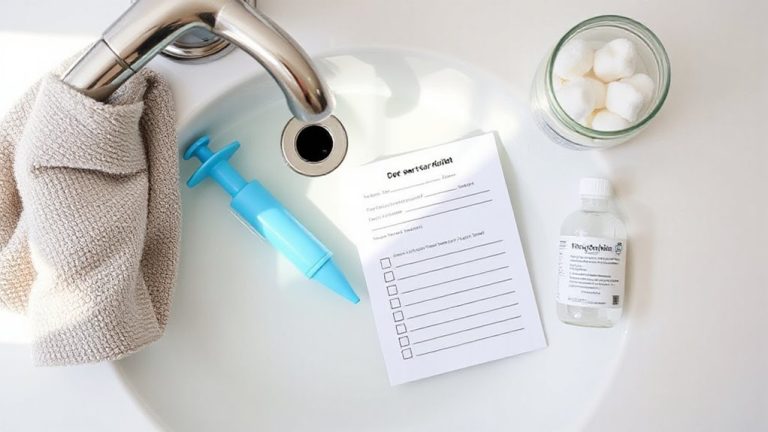
A single misplaced splinter or shard can compromise your pet’s comfort and mobility, making prompt removal essential. Use tweezers with a slanted tip and magnification to extract visible debris like thorns or glass fragments. Restrain your pet gently but securely to prevent sudden movement. If the object is embedded, avoid forcing it. Soaking pads in warm water with Epsom salt for 10–15 minutes softens tissue and may help loosen debris. Use a basin deep enough to submerge the paw without spilling. Dry thoroughly after soaking. Keep trimming nails regularly to reduce snagging risks and improve access during inspection. Sterilize tools with isopropyl alcohol (70%) before and after use. Apply an antimicrobial ointment post-removal, then cover with a breathable bandage if needed. Monitor for changes, but don’t delay veterinary care if extraction fails or swelling appears later.
Spot Pad Injuries: Redness, Limping, or Swelling
You may have removed visible debris and treated the area with care, but that doesn’t always mean the problem is fully resolved. Redness, limping, or swelling can signal underlying pad injuries requiring closer inspection. These signs often point to pad infections, which develop when bacteria enter through microtears or untreated abrasions. Swelling exceeding 2 mm beyond the pad margin or persistent limping after 24 hours suggests active inflammation. Perform systematic foreign body detection by gently pressing between the toes and examining pad grooves with a bright LED light. Objects like splinters or sand grains may remain lodged despite initial cleaning. Limping that worsens on hard surfaces indicates pressure-related pain, often from deep-seated debris. Regular daily checks help catch early-stage trauma before complications arise. Immediate intervention reduces infection risk and supports faster recovery. Early detection guarantees your pet remains mobile and pain-free.
When to Call the Vet for Paw Problems
How long should you wait before seeking professional help when your pet’s paw issue isn’t improving? Don’t delay beyond 24–48 hours if you notice persistent lameness or swelling. Paw infection signs-like pus, foul odor, increased warmth, or red streaks radiating from the injury-require immediate veterinary evaluation. Left untreated, bacterial infiltration can progress to cellulitis or abscess formation. If your pet won’t bear weight on the limb after 12 hours or the wound is deeper than ¼ inch, veterinary wound care is essential. Sutures may be needed for lacerations exceeding ½ inch in length. Foreign bodies embedded beyond the superficial layer often demand surgical removal under sterile conditions. Radiographs or ultrasound might be used to locate hidden debris. Early clinical intervention prevents chronic complications and supports faster healing.
Basic First Aid for Cut or Irritated Pads
If the pad shows a visible cut or signs of irritation, begin by stabilizing your pet and evaluating the injury under good lighting. Control bleeding with gentle pressure using a clean gauze pad for up to five minutes; most superficial cuts stop within this time. Clean the area with saline solution or clean water-avoid hydrogen peroxide, which delays healing. For pain management, consult your vet before administering any medication; never use human NSAIDs, as they’re toxic to pets. Apply an antimicrobial ointment like povidone-iodine (diluted 1:10) to aid in infection prevention. Cover the pad with a non-stick Telfa pad and secure it with vet wrap, ensuring it’s snug but not constrictive. Limit activity to reduce pad strain. Monitor the site daily for redness, swelling, or discharge-early signs of complications. Keep the bandage dry; use a waterproof bootie if necessary.
Make Paw Checks a Daily Habit
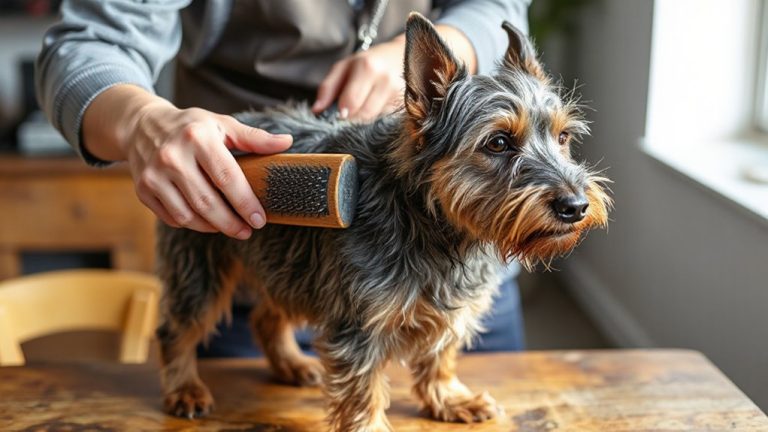
Regular paw inspections support long-term foot health and catch early signs of injury before they escalate. You should examine each paw pad daily, focusing on texture, color, and foreign debris. Proper paw hygiene prevents bacterial and fungal infections; clean between toes with a damp cloth or pet-safe wipe. Check for cracked, dry pads or embedded materials like thorns or glass. Nail trimming every 3–4 weeks prevents overgrowth, which can alter gait and cause joint stress. Use sharp, species-appropriate clippers-angled cuts on dogs, straight cuts on cats-avoiding the quick, typically 2–3 mm in small breeds, up to 5 mm in large breeds. Inspect paw fur for matting, which traps moisture and debris. Perform checks post-walk, especially on hot pavement or rough terrain. A consistent routine enhances mobility and comfort. Daily attention reduces veterinary costs and prevents lameness.
On a final note
Check your pet’s pads daily. This simple habit prevents minor injuries from becoming serious. Use a well-lit area and gently press each paw to expose the pad surface. Look for cuts, swelling, or embedded debris like thorns or glass shards. Clean minor wounds with saline solution (0.9% NaCl) and apply light pressure with sterile gauze. If lameness persists over 24 hours or infection signs appear-redness, pus, warmth-contact your vet immediately.