How to Monitor Your Senior Dog’s Cognitive Function Between Vet Visits
Watch for confusion, pacing, or getting stuck in corners-early signs of cognitive decline linked to brain atrophy and amyloid plaque buildup. Perform daily 5–7 minute check-ins each morning and evening to assess command response, spatial awareness, and social interaction. Track sleep disruptions, especially nighttime wakening between 2–4 a.m., using actigraphy-equipped collars for 7-day rest-activity logs. Record memory lapses, irritability, or withdrawal lasting more than a few days. Use a standardized log to document frequency, duration, and severity-consistent data helps detect subtle progression over 2–4 weeks. You’ll find structured tracking reveals patterns invisible in casual observation.
Notable Insights
- Perform daily 5–7 minute cognitive check-ins each morning and evening to track responsiveness, awareness, and interaction changes.
- Record episodes of confusion, disorientation, or command non-response with dates, times, and symptom severity.
- Monitor sleep patterns using actigraphy-equipped collars to detect nighttime restlessness or fragmented REM cycles.
- Watch for social withdrawal, including reduced eye contact, avoidance of petting, or disinterest in familiar people and toys.
- Maintain a consistent routine and environment to minimize stress while logging behavior changes over 2–4 weeks.
Know the Early Signs of Cognitive Decline in Senior Dogs
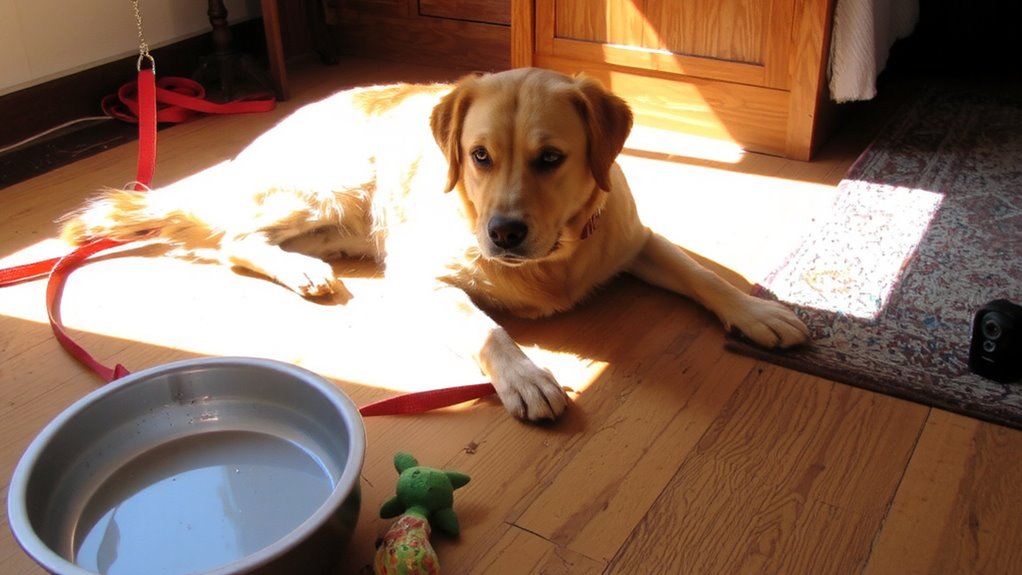
What if your dog’s confusion isn’t just aging but a sign of something more? Subtle behavior changes often signal early cognitive decline in senior dogs. You might notice disorientation, like pacing or getting stuck in corners. These aren’t random mishaps-they reflect neurological dysfunction similar to dementia in humans. Watch for anxiety episodes, often occurring at night, with restlessness or vocalization. The canine cognitive dysfunction syndrome (CCDS) affects over 60% of dogs aged 11–16. Key markers include sleep-wake cycle disruption, reduced interaction, and house soiling. These symptoms correlate with brain atrophy and amyloid plaque accumulation. Early detection improves management outcomes. Documenting frequency, duration, and triggers of behavior changes increases diagnostic accuracy. Use objective logs-not assumptions-when discussing concerns with your vet. Consistent observation helps distinguish normal aging from pathological decline, enabling timely intervention with diet, medication, or enrichment strategies tailored to your dog’s cognitive health. Providing a warm and comfortable resting place, such as a heated dog bed, can support your senior dog’s overall well-being and may help reduce anxiety-related behaviors.
Use a Daily Cognitive Check-In at Home

How do you track subtle shifts in your senior dog’s mental sharpness before they escalate? Perform a daily cognitive check-in using structured behavior tracking and mood observation. Spend 5–7 minutes each morning and evening noting your dog’s responsiveness to commands, spatial awareness, and interaction patterns. Use a standardized log to record anomalies-delays in response time greater than 3 seconds, reduced eye contact, or disorientation near familiar obstacles. Mood observation includes tracking irritability, decreased interest in toys, or withdrawal from social contact. Consistent data collection enables early detection of changes consistent with cognitive dysfunction syndrome (CDS). Pair check-ins with a fixed routine to minimize environmental variables. Over 2–4 weeks, trends in behavior tracking can reveal declines in executive function. This method offers objective, measurable insights between veterinary assessments.
Monitor Sleep Disruptions and Nighttime Wakening
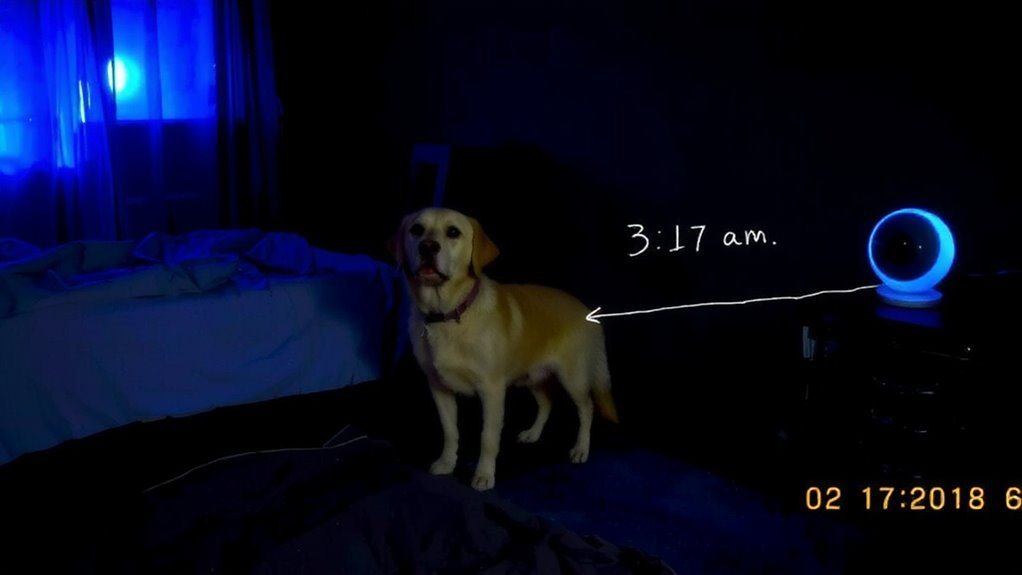
Changes in your senior dog’s daily behavior patterns often extend into rest periods, making nighttime activity a key indicator of cognitive decline. Disrupted sleep quality is common in dogs with cognitive dysfunction syndrome (CDS), affecting up to 68% of dogs over 11 years. You may notice increased nighttime behaviors like pacing, restlessness, or vocalizing. These episodes often occur during the liver time cycle, typically between 2 a.m. and 4 a.m., when melatonin and cortisol regulation decline. Normal canine REM cycles last 10–15 minutes; fragmented REM suggests neurological disturbance. Use a sleep-tracking collar with actigraphy to log rest-activity patterns over 7-day intervals for accuracy. Limit light exposure at night and maintain a consistent bedtime routine to support circadian rhythm. Persistent nighttime wakening lasting more than three weeks warrants veterinary evaluation, including neurological screening and bloodwork to rule out pain or metabolic causes affecting sleep quality. A reliable pet vital sign monitor can provide continuous tracking of heart rate, respiratory patterns, and activity levels, offering deeper insight into nighttime disturbances linked to cognitive decline.
Watch for Memory Lapses and Confusion
Memory lapses in senior dogs often signal early cognitive decline and warrant close observation. You may notice routine forgetting, such as failing to respond to commands they once knew. This includes not coming when called or hesitating at doorways. Spatial disorientation is another key indicator-your dog might get stuck in corners or seem lost in familiar rooms. These behaviors stem from neuronal degradation in the hippocampus and frontal cortex, regions responsible for memory and spatial navigation. Document episodes precisely: date, time, duration, and context. Note frequency and severity to track progression. Use a journal or app designed for pet health monitoring. A reliable way to streamline this process is through a best pet health tracker, which can integrate behavior logs with activity and sleep data for a comprehensive health overview. Avoid assumptions; rule out vision or hearing loss first. Consistent, objective logs provide veterinarians with actionable data during evaluations. Early detection improves management outcomes through targeted interventions like cognitive-support diets or medication.
Notice Withdrawal From Family or Reduced Interaction
While your senior dog may naturally slow down with age, a marked withdrawal from family members or reduced interest in social interaction often signals underlying cognitive changes. Social isolation in senior dogs manifests as avoidance of petting, ignoring familiar voices, or retreating to solitary areas. Behavioral detachment includes lack of response to commands, reduced tail wagging, and disinterest in play. These changes reflect declining cognitive processing, particularly in the prefrontal cortex and hippocampus. Unlike temporary mood shifts, persistent disengagement lasting over several days indicates neurological concern. Monitor duration, frequency, and context of these behaviors. Note if your dog no longer greets you at the door or avoids eye contact. Such signs correlate with canine cognitive dysfunction syndrome (CCDS) in 68% of affected dogs over age 11. Do not dismiss these behaviors as normal aging. Early recognition of social withdrawal enables timely intervention and management strategies.
Record Symptoms to Share With Your Veterinarian
Because accurate diagnosis of cognitive decline in senior dogs depends on consistent, objective data, keeping a detailed symptom log greatly improves veterinary assessment. Record all observed behavioral changes, noting frequency, duration, and intensity. Document incidents like disorientation, vocalization, or house soiling with timestamps and context. This log enhances diagnostic precision, much like a cardiac event monitor captures irregular heartbeats. Identify potential environmental triggers such as household changes, new pets, or altered routines, as these can mimic or worsen cognitive symptoms. Use a notebook or digital app to track patterns across weeks. Include sleep-wake cycle disruptions and changes in social interaction. Share this record at every vet visit. Objective tracking reduces misdiagnosis. Early, accurate documentation supports timely intervention. Your observations are critical diagnostic tools. Consistent logging enables vets to distinguish cognitive decline from other conditions.
On a final note
You can catch early signs of canine cognitive decline by observing behavior daily. Subtle changes-like disorientation or altered sleep cycles-signal neurological shifts. Use a symptom log to track frequency and severity, noting timestamps and duration. Share this data at vet visits. Cognitive dysfunction scales, like CCDR, help quantify decline. Early detection enables timely intervention, improving quality of life through medication, diet, and environmental adjustments. Monitoring matters.