How to Monitor Your Dog’s Stool Quality as a Gauge of Gut Health
Check your dog’s poop daily to assess digestive health. Healthy stool is firm, chocolate brown, and shaped like a torpedo or segmented log. It should feel like modeling clay-pliable but not sticky-and have a smooth surface without mucus or grease. Use the Bristol Stool Scale; Type 4 is ideal. Track frequency, consistency, and color, noting deviations lasting over 48 hours. Abnormal signs include black, tarry stools (melena), pale greasy deposits, or floating feces with oily residue-each linked to specific gastrointestinal issues. Sudden changes in volume, texture, or timing warrant evaluation. Persistent abnormalities, especially with vomiting or lethargy, demand prompt veterinary follow-up. You’ll learn which diet adjustments support long-term gut balance and how routine influences intestinal function.
Notable Insights
- Check your dog’s stool daily for color, consistency, and shape to assess digestive health.
- Healthy stool should be firm, chocolate brown, and resemble a torpedo or segmented log.
- Use the Bristol Stool Scale, aiming for Type 4, to evaluate ideal modeling clay-like consistency.
- Track frequency, noting deviations from your dog’s normal 1–3 bowel movements per day.
- Seek veterinary care if you observe black tarry stool, persistent abnormal colors, or bloody diarrhea.
Check Your Dog’s Poop Daily
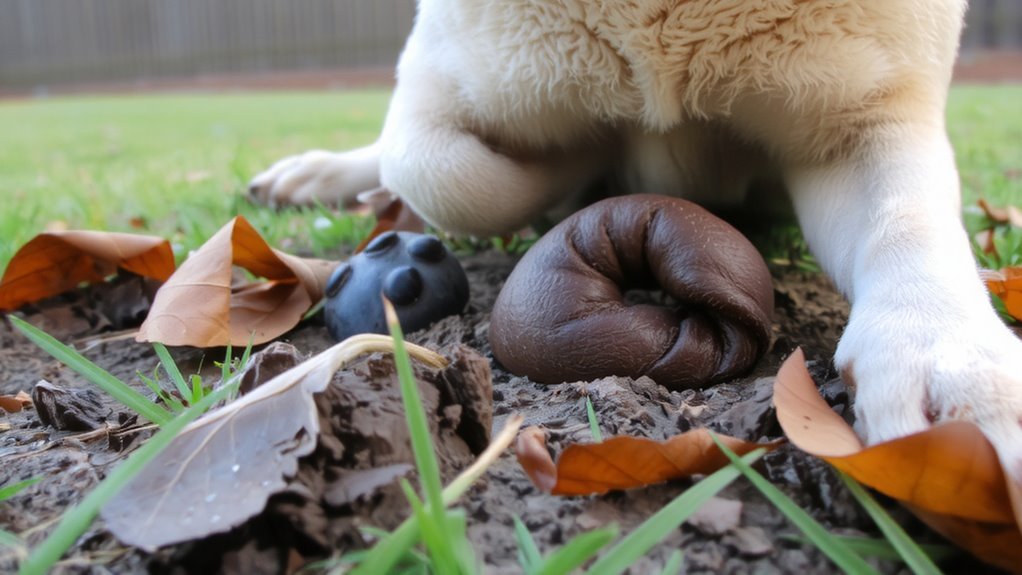
You should check your dog’s poop every day-ideally each time they go. Monitoring poop frequency helps track changes in bowel habits, which are essential indicators of digestive health. Most dogs defecate one to three times daily; variations may signal dietary issues or medical conditions. Consistent timing and volume reflect stable gastrointestinal function. Sudden increases or decreases in frequency warrant evaluation. Normal bowel habits depend on diet, age, and activity level, but deviations lasting over 48 hours should prompt concern. Observe for straining, urgency, or incomplete evacuation, which may indicate discomfort or obstruction. Charting daily output-time, quantity, consistency-improves accuracy when discussing symptoms with your vet. Digital logs or notes apps allow precise tracking. Early detection of irregularities supports timely intervention. You’re not just cleaning up-you’re collecting data. Each bowel movement offers diagnostic value. Stay vigilant.
Signs of Healthy Dog Stool
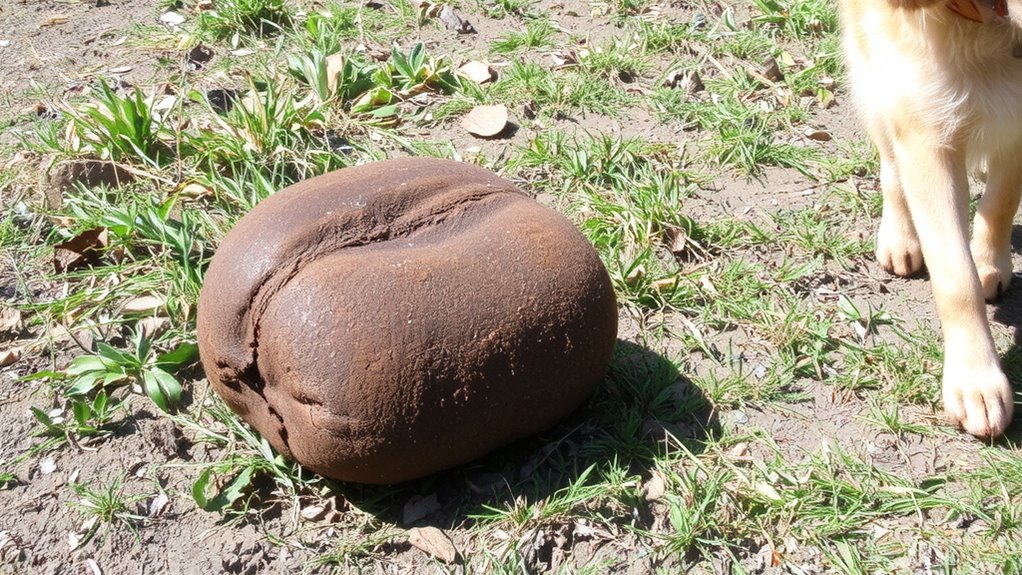
A healthy dog’s stool should be firm, chocolate brown, and easy to pick up-typically shaped like a torpedo or segmented log. Stool consistency is a key indicator of digestive efficiency; it should hold its shape without crumbling or oozing. Ideal firmness resembles modeling clay: pliable but not sticky. You’ll notice consistent bowel frequency, usually one to two times daily, depending on diet and metabolism. Slight variations are normal, but sudden changes may signal dietary imbalance or stress. The surface should be smooth, not greasy or mucus-covered. Odor is present but not excessively foul. Volume correlates to food intake-sudden increases may suggest malabsorption. Monitoring these traits daily provides immediate feedback on gut function. Stable stool consistency and predictable bowel frequency reflect a balanced microbiome and proper hydration. These measurable, observable traits offer reliable insight into your dog’s overall digestive health.
What Abnormal Poop Colors and Textures Mean
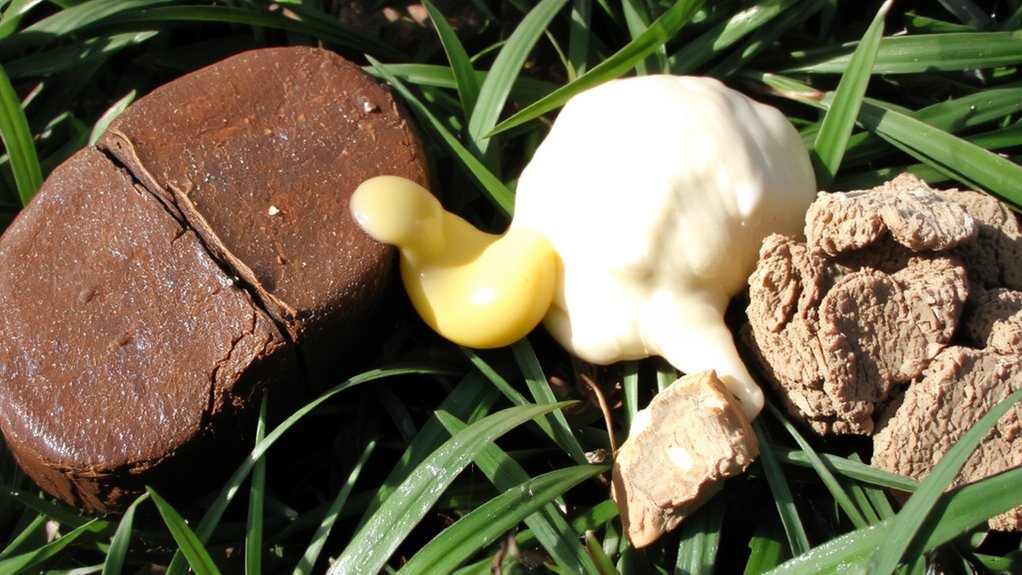
Why might your dog’s stool appear something other than chocolate brown? Color and texture changes can signal underlying health issues. Black tarry stool, known as melena, often indicates digested blood from the upper gastrointestinal tract. This could stem from ulcers, parasites, or toxicity. The hemoglobin breakdown produces a dark, sticky consistency resembling tar. Pale greasy stool suggests poor fat digestion, commonly due to pancreatic insufficiency or liver dysfunction. These stools float and leave oily residue, a condition called steatorrhea. Yellow or gray hues reflect reduced bile flow. Consistently abnormal colors require veterinary evaluation. Monitor for urgency, frequency, and odor changes. Do not ignore persistent deviations. Each variation offers diagnostic clues. Early detection improves outcomes. Addressing black tarry or pale greasy stools promptly can prevent complications and support gut health recovery through targeted treatment.
Track Stool Changes Over Time
Consistent monitoring of your dog’s stool provides a reliable baseline for gastrointestinal health. Track stool frequency daily; healthy dogs typically defecate 1–3 times per day. Deviations may signal dietary issues or illness. Observe bowel consistency using the Bristol Stool Scale, where Type 4 (smooth, soft sausage shape) indicates ideal health. Changes in size, shape, or moisture content should be documented. Use a log to record observations over time, noting dates, frequency, and consistency. A sudden increase in stool frequency accompanied by softer bowel consistency may reflect transient dietary disturbance. Gradual shifts in bowel patterns can reveal chronic conditions. Monitoring allows early detection of irregularities. Reliable tracking enables veterinarians to assess gut motility and microbial balance more accurately. Documenting these trends supports timely interventions and improves diagnostic precision. High-quality sleep support, such as a Top Pressure Relief Mattresses for Pets, can indirectly influence digestive regularity by promoting overall comfort and reducing stress.
When to Worry About Dog Poop
When should you be concerned about changes in your dog’s poop? Look for persistent abnormalities lasting more than 48 hours. Blood in stool or mucus presence warrants prompt attention. These signs may indicate inflammation, infection, or serious gastrointestinal disorders.
| Appearance | Frequency | Action Needed |
|---|---|---|
| Bright red blood in stool | Single occurrence | Monitor closely |
| Dark, tarry stool | Repeated | Vet consult required |
| Excessive mucus presence | Ongoing | Professional evaluation |
| Pencil-thin stools | Persistent | Rule out obstruction |
| Watery consistency with blood | Acute | Immediate veterinary care |
Occasional variation is normal. However, combined symptoms like lethargy, vomiting, or appetite loss increase concern. Blood in stool isn’t always visible; check for smearing or streaks. Mucus presence resembling jelly suggests colonic irritation. Sudden onset with diarrhea demands documentation. Chronic changes require diagnostic testing. Track patterns to assist your vet. Early intervention improves outcomes markedly.
How Diet and Routine Affect Stool
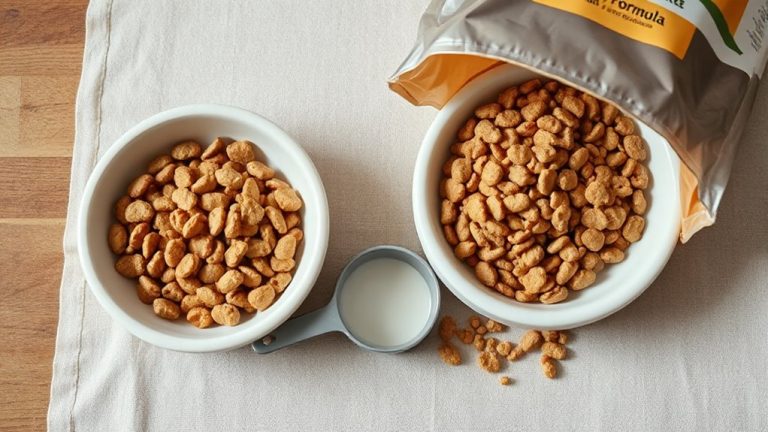
While your dog’s genetics play a role in digestive health, what they eat and how they live day to day have a direct and measurable impact on stool quality. Diet determines nutrient availability and fermentation byproducts in the gut. Fiber content influences stool bulk and hydration-soluble fiber absorbs water, improving firmness, while insoluble fiber speeds transit time, reducing constipation. Dogs fed consistent, balanced diets typically produce uniform stools. Meal consistency matters: irregular feeding schedules or frequent diet changes disrupt digestive rhythms, leading to loose or inconsistent stools. Sudden shifts in protein or fat levels alter microbiome activity, affecting stool odor and form. High-quality commercial foods list fiber sources and macronutrient ratios on labels-look for 2–4% crude fiber in dry matter. Maintaining routine meal times and stable ingredients supports predictable digestion. You’ll notice improved stool quality within days of stabilizing diet and schedule.
Talk to Your Vet About Digestive Issues
If you notice persistent changes in your dog’s stool-such as recurring diarrhea, constipation, or abnormal color-contact your veterinarian promptly. Early intervention improves outcomes. Monitor stool frequency and digestive symptoms daily. Abnormal patterns may signal infection, food intolerance, or systemic illness.
| Symptom | Clinical Significance |
|---|---|
| Increased stool frequency | Possible colitis or dietary intolerance |
| Decreased stool frequency | May indicate dehydration or obstruction |
| Mucoid stools | Common in large bowel diarrhea |
| Pale, greasy stool | Suggests malabsorption or exocrine pancreatic insufficiency |
Changes lasting over 48 hours require professional assessment. Acute digestive symptoms like vomiting, lethargy, or weight loss warrant immediate evaluation. Your vet may run fecal tests, blood work, or imaging. Do not assume symptoms resolve on their own. Consistent monitoring and timely vet consultation support long-term gut health and accurate diagnosis.
On a final note
You should check your dog’s stool daily to monitor gut health. Normal stool is firm, moist, and chocolate brown. Changes in color, consistency, or frequency can signal digestive issues. Yellow or gray stool may indicate malabsorption; black, tarry stool suggests gastrointestinal bleeding. Track changes over time using a stool chart. Sudden or persistent abnormalities warrant a vet visit. Diet directly impacts stool quality-probiotics and fiber improve consistency.