How to Design a Scent Game for Dogs With Limited Mobility
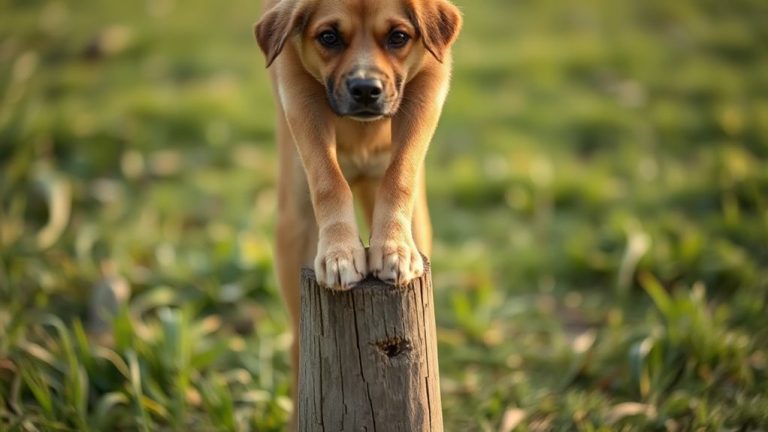
Set up a low scent station 4–6 inches high with non-slip rubber feet to support arthritic joints and promote natural sniffing. Use 100% pure essential oils like anise, diluted to 1–2%, in front-edge containers. Space scents 8–10 inches apart on a lightweight, washable plastic base under 3 lbs. Place treats in shallow dishes no higher than 6 inches. Try stationary 12×12-inch scent mats with fleece loops and machine-washable fabric. Start with strong, open scents, then progress to covered containers with smaller openings. Rotate odors every 48 hours to prevent fatigue. Adjust difficulty based on accuracy and hesitation. More adaptations follow.
Notable Insights
- Position scent stations 4–6 inches high to support arthritic joints and encourage natural sniffing without strain.
- Use non-toxic, natural scents like diluted anise or dried rosemary to ensure safety and avoid respiratory irritation.
- Place treats and scent sources on low, stable surfaces with non-slip mats to prevent slipping and reduce fall risk.
- Design stationary scent mats with machine-washable fabric and low-profile construction for easy access and hygiene.
- Progress difficulty gradually by starting with open, high-scent items and slowly introducing covered or weaker odor sources.
Set Up a Low Scent Station for Easy Access
A low scent station should be positioned at or near ground level to accommodate dogs with limited mobility. Elevating the station more than 6 inches risks strain on arthritic joints. Use a platform 4 to 6 inches high to provide adequate joint support while allowing natural sniffing posture. Position scent containers at front edges for easy access without overreaching. Secure the base to prevent slipping-non-slip rubber mats reduce fall risk. This setup promotes consistent sensory stimulation without physical stress. Scent slots should be spaced 8–10 inches apart to encourage movement within a confined range. Stations made of lightweight, washable plastic weigh under 3 lbs for portability. Smooth edges prevent injury. Dogs with hip dysplasia show 30% longer engagement times when joint support is optimized. Sensory stimulation is maximized when physical effort is minimized, maintaining cognitive engagement. Align airflow toward the dog for effective odor dispersion.
Use Dog-Safe Scents Like Anise or Dried Herbs
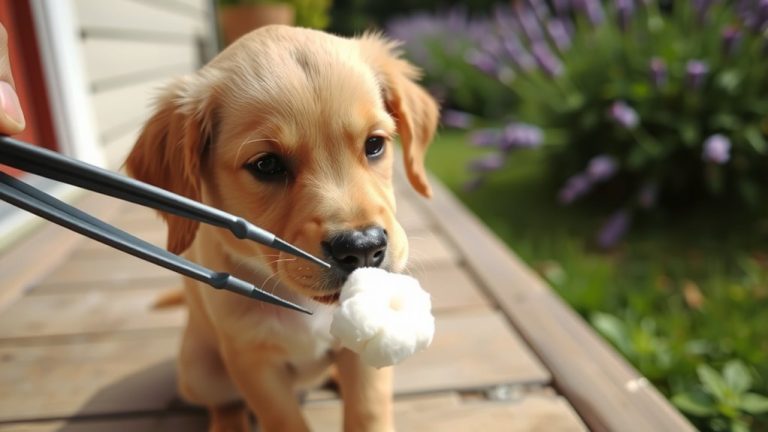
You’ve set up a low scent station to support your dog’s physical limits-now it’s time to choose scents that are both safe and stimulating. Prioritize scent safety by using non-toxic, natural options like anise, dried rosemary, or thyme. These essential oils and dried herbs are proven safe for dogs when used in diluted forms. Anise, for example, contains anethole, a compound that dogs detect easily without irritation at concentrations under 1%. Safe sniffing depends on avoiding synthetic fragrances, which may contain phthalates or ethanol irritants. Use 100% pure essential oils, diluted to 1–2% in a carrier like fractionated coconut oil. Apply 3–5 drops per scent station to maintain intensity without overwhelming your dog’s sensitive olfactory system. Dried herbs offer a longer shelf life and consistent volatility, releasing aroma particles between 120–160°F. Always monitor for adverse reactions. Proper scent selection enhances cognitive engagement safely.
Hide Treats in Low, Easy-Reach Spots
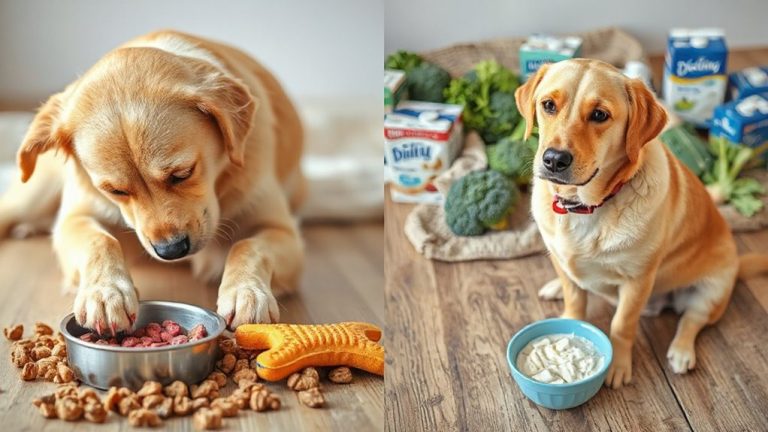
Position treats no higher than 6 inches off the ground to accommodate dogs with restricted movement. Proper treat placement guarantees accessibility for dogs with arthritis, neurological conditions, or limb weakness. Use shallow dishes, low bowls, or flat surfaces to hold treats securely. Place them on non-slip mats to prevent shifting during interaction. This height range aligns with the natural scanning posture of most small to medium dogs, reducing strain. Treats hidden in reachable spots provide consistent sensory stimulation, which is essential for cognitive engagement. Use scent-diffusing materials like untreated wood or fabric to amplify odor cues without overwhelming the dog. Avoid deep crevices or elevated locations. Rotate locations regularly to maintain novelty and prevent habituation. Each session should last 5–10 minutes to sustain focus. Appropriate treat placement supports joint health while delivering effective sensory stimulation aligned with mobility limitations. Measure success by observed interest and independent location of treats.
Try Stationary Scent Mats for Mental Exercise
Scent mats offer a practical solution for delivering mental stimulation to dogs with limited mobility. These tools provide sensory enrichment by engaging your dog’s powerful sense of smell in a stationary format. Designed for floor or lap use, scent mats typically measure 12×12 inches and feature fabric strips or fleece loops where treats or scented items nestle. This setup encourages focused sniffing, promoting cognitive stimulation without physical strain. You can use dried herbs, essential oil-free extracts, or kibble to vary the experience.
| Feature | Benefit |
|---|---|
| Non-slip backing | Stays secure on smooth surfaces |
| Machine-washable fabric | Guarantees hygiene and reusability |
| Low profile (0.5-inch height) | Accessible for arthritic or elderly dogs |
Choose mats made of durable polyester or cotton blends. Their compact design supports consistent engagement, making them ideal for daily enrichment.
Make It Easier or Harder as Needed
Adjusting the difficulty of scent games keeps your dog engaged without causing frustration or fatigue. Difficulty scaling is essential-start with high-scent concentrations and obvious placements, like an open palm or shallow dish. Reduce distance between source and nose level to minimize effort. As your dog improves, increase challenge by lowering scent concentration or using covered containers with smaller apertures. Implement scent rotation every 48 hours to prevent olfactory fatigue and maintain specificity. Rotate between target odors like anise, clove, or birch using standardized 5mL glass vials with cotton wicks. Introduce distractors such as food or toys only after consistent success at baseline. Use session logs to track duration, accuracy, and hesitation time. Modify variables systematically: height, complexity, and latency between cue and reward. Consistent, data-driven adjustments support cognitive engagement while respecting physical limits.
Boost Confidence With Simple Scent Games
Conf玩家朋友dence grows when success feels achievable. Start with simple scent games that match your dog’s mobility level. Use one easily identifiable odor, like anise or clove, placed in an accessible location. Reward immediate engagement to reinforce participation. Short sessions of 2–3 minutes, held 3–4 times weekly, optimize focus and prevent fatigue. Introduce scent rotation gradually-switch target odors every two weeks to prevent habituation and maintain cognitive engagement. Rotate between three distinct, non-competing scents to support long-term interest. These predictable patterns aid confidence building by creating a reliable framework for success. Guarantee all materials are nontoxic and containers are securely sealed to avoid contamination. Use cotton swabs or scent-diffusing fabric strips to control odor dispersion. Consistent repetition with minor, measurable challenges strengthens neural pathways associated with scent detection. Over time, your dog will display quicker response times and increased alert face, indicating improved confidence through structured, scent-based engagement.
On a final note
You can make scent games accessible for dogs with limited mobility. Set up a low station at 12–18 inches high for easy reach. Use non-toxic scents like anise or dried rosemary in cotton fabric dispensers. Place treats within 6 inches of the surface edge. Stationary fleece mats with sewn scent pockets improve engagement. Adjust difficulty by changing scent concentration or treat visibility. These modifications sustain cognitive stimulation safely.