How to Clean Your Dog’s Eyebrows to Prevent Matting and Irritation
Trim your dog’s eyebrow hair to ½ inch or less to prevent corneal contact and reduce irritation. Use curved-blade grooming scissors with 4.5-inch blunt tips for precision, cutting in small sections away from the face. Clean the periorbital area daily with a damp cloth or hypoallergenic wipe, moving from inner to outer eye. Use saline solution or enzymatic probiotic cleaners every other day to manage debris and tear stains. Brush daily with a slicker brush and 1–2 mm bristles, then comb with a 0.5 mm metal comb to catch early mats. Maintaining consistent length and hygiene prevents bacterial buildup and supports long-term eye health-key practices are detailed next.
Notable Insights
- Trim eyebrow hair to ½ inch or less to prevent eye contact and reduce irritation risk.
- Wipe the periorbital area daily with a damp soft cloth or hypoallergenic wipe to remove debris.
- Brush eyebrows daily using a slicker brush to prevent tangles and detect early matting.
- Use curved-blade grooming scissors with blunt tips for safe, precise trimming near the eyes.
- Monitor for redness, discharge, or swelling, and consult a vet if symptoms persist beyond 24 hours.
Why Grooming Your Dog’s Eyebrows Prevents Eye Problems
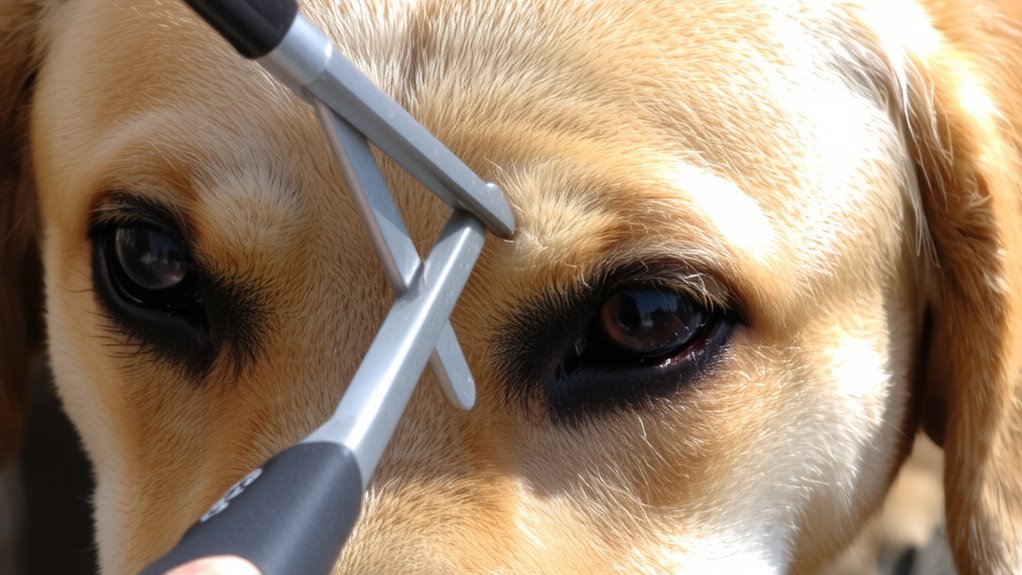
Your dog’s eyebrow hair isn’t just cosmetic-it plays a direct role in eye health. Untrimmed brow hair can lead to vision obstruction, especially in breeds with rapid facial hair growth like Shih Tzus or Maltese. When hair extends over the eyes, it physically limits visual field, impairing spatial awareness. More critically, prolonged contact between hair and cornea irritates the ocular surface, increasing the risk of eye infections. Foreign material and debris caught in unruly brow hair introduce bacteria, including *Staphylococcus* and *Pseudomonas* species. These pathogens thrive in moist microenvironments, accelerating conjunctivitis development. Trimming eyebrow hair to ½ inch or less eliminates direct eye contact while maintaining natural protection. Use blunt-tip scissors with 4-inch blades for precision. Regular grooming reduces mechanical irritation and microbial load, preserving ocular integrity. Prevention is more effective than treatment.
How to Clean Around Your Dog’s Eyes
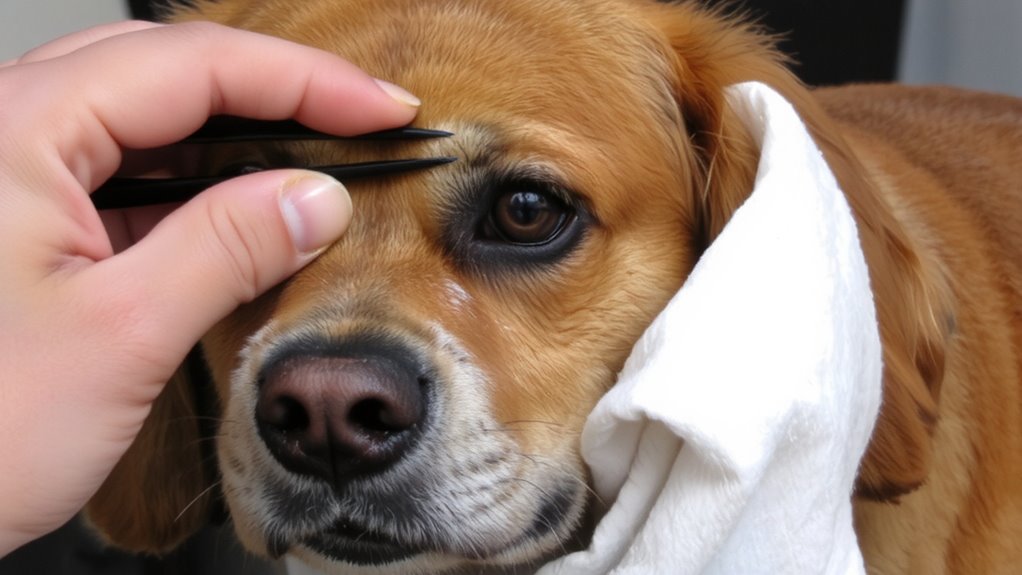
A clean periorbital area is essential for preventing ocular irritation and infection in dogs. Proper facial hygiene reduces buildup of debris and discharge that can worsen tear stains. Clean your dog’s eye area daily using a damp, soft cloth or hypoallergenic wipe. Gently wipe from the inner to outer corner of each eye. Avoid harsh chemicals or alcohol-based products that may cause irritation. For persistent tear stains, consider products with natural enzymatic action to safely break down porphyrins in tears.
| Product Type | Application Frequency | Active Ingredient |
|---|---|---|
| Saline Solution | Daily | 0.9% Sodium Chloride |
| Eye Wipes | 1–2 times daily | Chamomile Extract |
| Enzymatic Cleaner | Every other day | Probiotic Enzymes |
| Moistened Gauze | As needed | Sterile Water |
Consistent care supports long-term ocular health.
Essential Tools for Safe Eyebrow Grooming
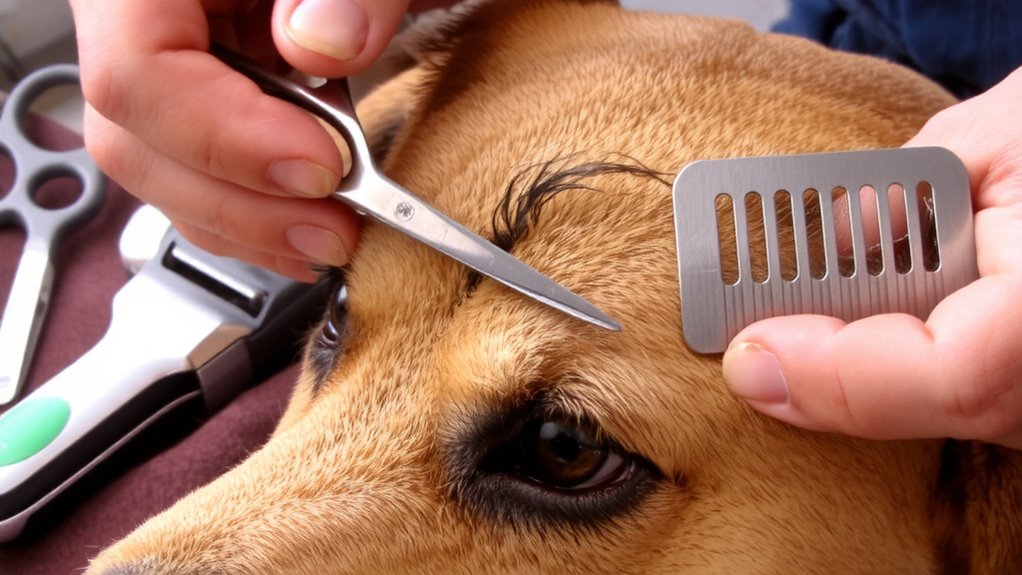
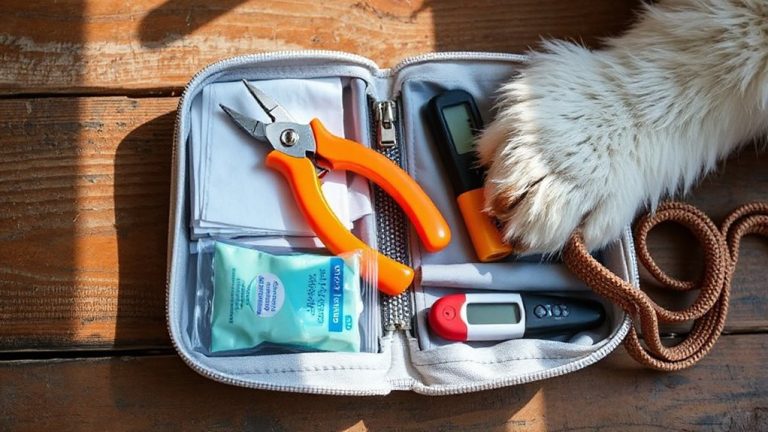
Cleaning the area around your dog’s eyes sets the foundation for proper facial hygiene, but maintaining the brows themselves requires specialized tools designed for precision and safety. Use curved-blade grooming scissors with 4.5-inch blunt tips to avoid eye injury; their ergonomic handles guarantee a secure grip during delicate work. For trimming, always employ scissor safety by keeping blades pointed away from the face and making small, controlled cuts. A soft-bristled brush removes loose hair and debris before grooming. Pair this with a non-irritating eye wipe and a sterile wipe technique-use single-direction strokes outward from the inner eye to prevent contamination. Stainless steel tools resist corrosion and maintain sharpness after repeated sterilization. Replace blades every 6–8 months to preserve cutting efficiency. These tools, properly maintained, guarantee accurate brow maintenance without risking ocular trauma.
Preventing Matting in Long-Haired Dogs
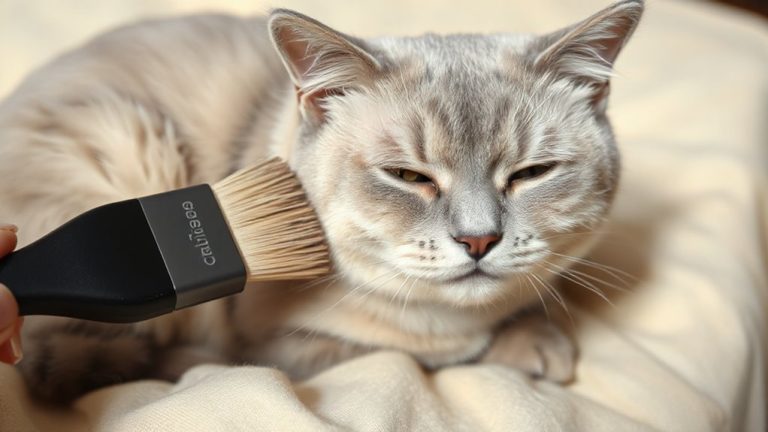
Matting in long-haired dogs begins with loose hairs tangling around the brow ridge, trapping moisture and debris. Daily brushing techniques prevent this by removing dead hair and distributing natural oils. Use a slicker brush with fine, angled bristles spaced 1–2 mm apart to penetrate the undercoat without irritating sensitive skin. Follow with a metal comb (teeth spaced 0.5 mm) to detect early mat formation. Trim hair around the eyes every 4–6 weeks using blunt-nose scissors (5-inch length, rounded tip) to minimize risk. Increase trimming frequency to every 3 weeks in shedding seasons. Maintain hair length at 0.5–1 inch above the brow ridge to reduce debris accumulation. Consistent brushing and proper trimming frequency inhibit tangles and microbial growth. These methods mechanically disrupt mat progression and support ocular hygiene. For more precise trimming near sensitive areas, consider using best dog grooming clippers designed for home use.
Watch for Redness, Tearing, or Discharge
Redness, tearing, or discharge around your dog’s eyes signals potential irritation or infection, even with consistent grooming. These symptoms may indicate underlying eye infections or skin allergies requiring prompt attention. Monitor discharge color and consistency-clear is usually normal; yellow or green suggests infection. Persistent tearing can promote matting and skin irritation, especially in breeds with long facial hair.
| Symptom | Possible Cause | Recommended Action |
|---|---|---|
| Redness | Allergies, foreign body | Inspect for debris, consult vet |
| Excessive tearing | Blocked duct, allergies | Evaluate frequency, seek diagnosis |
| Yellow discharge | Bacterial infection | Veterinary treatment needed |
| Swelling | Eye infections | Avoid self-medication |
| Itching | Skin allergies | Use hypoallergenic wipes, vet check |
Early detection improves outcomes. Use a soft, damp cloth to gently clean the area. Avoid harsh chemicals. Consult your veterinarian if signs persist beyond 24 hours.
Keeping Eyebrows Tangle-Free Between Grooms
Your dog’s eyebrow hair grows continuously, making regular maintenance essential between professional grooms. Brushing techniques play a critical role in preventing tangles and matting. Use a fine-tooth comb or a soft slicker brush daily to gently detangle hair from root to tip. Start above the eye and work outward, holding the base of the hair to minimize pulling. For long-haired breeds like Shih Tzus or Maltese, consistent brushing prevents debris accumulation and reduces irritation. Trimming frequency should follow a bi-weekly schedule to maintain ideal length without overcutting. Trim hairs to ½ to ¾ inch using blunt-tipped scissors, ensuring precision and safety near the eye. Proper technique avoids skin nicks and preserves natural brow shape. Combined, correct brushing techniques and trimming frequency reduce inflammation risks and support ocular health, keeping your dog’s vision unobstructed and comfort levels high.
On a final note
You maintain eye health by keeping your dog’s eyebrows clean and tangle-free. Use stainless steel combs with 0.5 mm tines to detangle hair weekly. Trim excess fur with curved scissors featuring 3 cm blunt tips to avoid injury. Wipe around the eyes daily with a lint-free cloth dampened with sterile saline. Prevent irritation by removing debris and reducing moisture buildup. Consistent grooming prevents matting, which can cause ocular discomfort or infection.