How to Create a Recovery Diet for Pets After Gastrointestinal Illness
Start your pet’s recovery diet 12 to 24 hours after the last episode of vomiting or diarrhea. Use a ratio of 1 part boiled lean protein-like chicken or turkey-to 2 parts boiled white rice by volume. Offer 1/4 to 1/2 cup per 10 lbs of body weight every 4 to 6 hours. Keep meals small and frequent, and provide constant fresh water. Withhold treats and monitor stool closely-firm, formed stools mean healing is on track. You’ll find precise feeding adjustments and species-specific guidelines next.
Notable Insights
- Start a bland diet 12–24 hours after the last vomiting or diarrhea episode using boiled lean protein and white rice.
- Use a 1:2 ratio of boiled chicken or turkey to cooked rice by volume for easy digestion.
- Feed small, frequent meals every 4–6 hours, adjusting portion size to 1/4 to 1/2 cup per 10 lbs body weight.
- Gradually reintroduce regular food over four days, starting with 25% regular food mixed with 75% recovery diet.
- Monitor stool quality, hydration, and appetite daily to assess recovery and guide dietary progression.
Start With a Bland Diet After GI Illness
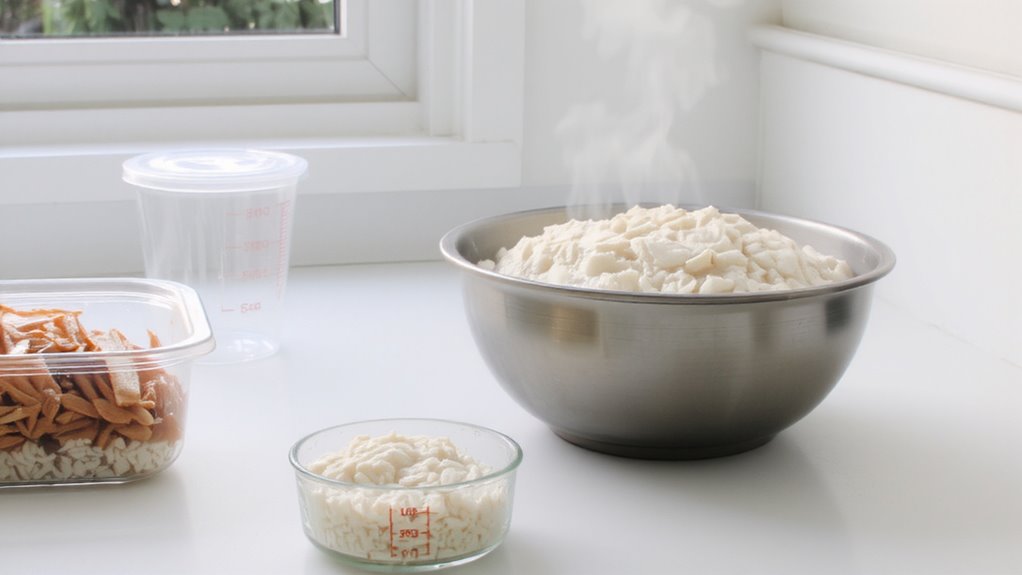
A bland diet is your pet’s first step toward digestive recovery after gastrointestinal illness. You should introduce this diet 12 to 24 hours after the last episode of vomiting or diarrhea. Start with a ratio of 1 part boiled lean protein, like skinless chicken breast or lean ground turkey, to 2 parts boiled white rice by volume. Feed small portions-approximately 1/4 to 1/2 cup per 10 pounds of body weight-every 4 to 6 hours. Withhold treats and stick strictly to this formula. This diet supports fever management by reducing metabolic strain and aids in pain relief by minimizing intestinal inflammation. Guarantee your pet has constant access to fresh water to prevent dehydration. Monitor closely for any return of symptoms. Shift gradually to regular food only after 48 hours of normal stools. Never extend the bland diet past 3–5 days without veterinary guidance.
Pick Easy-to-Digest Foods for Your Pet
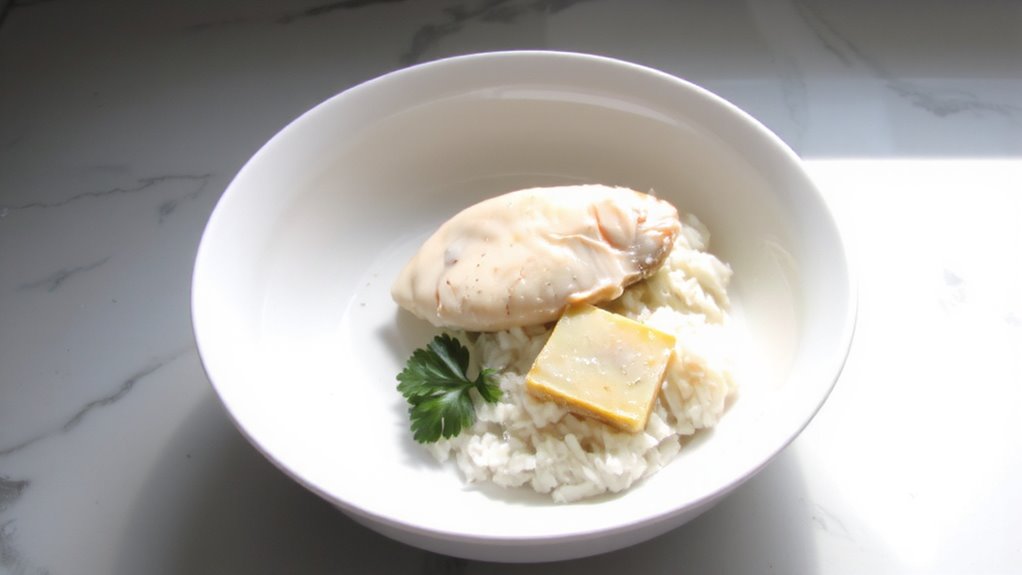
You’ve started your pet on a bland diet to stabilize digestion after gastrointestinal upset, and now it’s time to focus on selecting the right foods that support continued recovery. Choose highly digestible ingredients to reduce gastrointestinal strain. Lean protein sources like boiled chicken, turkey, or cottage cheese provide essential amino acids without excess fat. These proteins are low in fiber and easy to break down, promoting efficient nutrient absorption. Pair them with grain alternatives such as mashed sweet potatoes, canned pumpkin, or cooked white rice. These carbohydrates are gentle on the gut and help bind stool. Avoid whole grains, legumes, and dairy, as they may trigger fermentation and gas. Maintain a ratio of two parts grain alternatives to one part protein by weight. This balance supports energy needs while minimizing digestive load. Always introduce ingredients one at a time to monitor tolerance.
How Long to Feed the Recovery Diet?
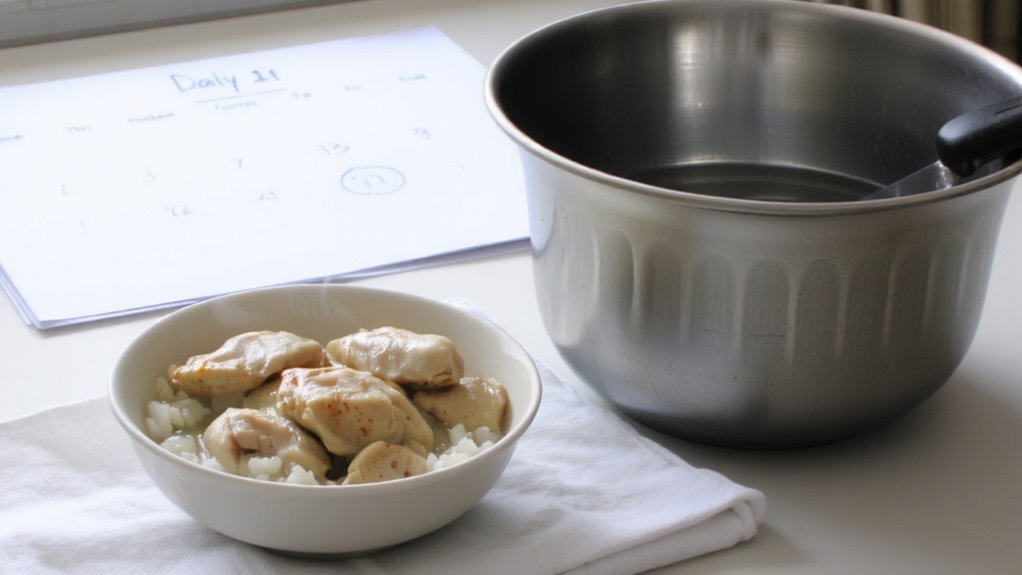
How long should you continue the recovery diet before shifting back to regular food? Most pets need 3 to 5 days on a recovery diet post-gastro游戏副本ent. This window allows the gut lining to repair while minimizing digestive stress. Maintain strict portion control during this phase-feed small, frequent meals (e.g., 4–6 times daily) to avoid overwhelming the digestive tract. Each meal should be approximately 20–25% of your pet’s daily caloric intake to support steady nutrient absorption. Concurrently, guarantee a strong hydration focus. Offer fresh water constantly, and consider adding electrolyte solutions if recommended by your vet. Monitor stool quality closely; firm, formed stools indicate readiness for shift. Do not extend the recovery diet beyond 7 days without veterinary consultation, as prolonged use may lead to nutrient imbalances. Consistency and timing are critical for effective gastrointestinal recovery.
Ease Back Into Regular Food Safely
Once your pet’s digestive system has stabilized and stool quality remains consistently firm, it’s time to reintroduce regular food. Begin by mixing 25% of their regular diet with 75% of the recovery diet. Over four days, gradually increase the proportion of regular food while monitoring for adverse reactions. Portion control is critical-feed small, measured meals two to three times daily to avoid gastrointestinal overload. Use a kitchen scale for accuracy, adjusting portions based on your pet’s weight and metabolic needs. Maintain hydration balance by offering fresh water consistently and monitoring intake, as dehydration can impair digestion. Shifting too quickly can disrupt gut flora and compromise nutrient absorption. By day five, if no symptoms return, your pet can fully resume their normal diet. This structured reintroduction guarantees digestive adaptation without stress.
Track Recovery by Monitoring Stool and Appetite
Why does your pet’s stool offer critical insight during recovery? Stool consistency reflects digestive healing. Formed, moist stools indicate improvement, while ongoing diarrhea signals continued irritation. Monitor daily: Grade feces using the 1–7 Bristol scale, where 4 is ideal. Loose stools suggest malabsorption, demanding extended bland diet use. Appetite trends matter-eating without hesitation shows gastrointestinal tolerance returning. Reduced intake may point to nausea or discomfort. Track hydration levels by checking skin elasticity and gum moisture; slow skin recoil indicates dehydration. Note energy changes: Lethargy may persist initially, but gradual improvement aligns with nutritional uptake. Sharp declines in energy or refusal to eat warrant veterinary follow-up. Consistent observation of stool and appetite provides objective recovery data. Use a log to record frequency, volume, and appearance. These metrics guide dietary shifts accurately.
Adjust for Puppies, Seniors, or Cats
While adult dogs often tolerate standard recovery protocols, puppies, senior pets, and cats have distinct metabolic and digestive needs that require tailored dietary adjustments during gastrointestinal recovery. For puppies, frequent small meals support steady energy; strict portion control prevents intestinal overload. Seniors often need fewer calories but higher digestibility-aim for 25–30% protein on a dry matter basis with low phosphorus. Cats are obligate carnivores with rapid gastric emptying; offer highly digestible animal-based proteins in small, frequent servings. Hydration balance is critical across all groups-use moisture-rich diets or subcutaneous fluids if necessary. Monitor body weight daily and adjust rations by 10–15% if needed. Use calibrated syringes for precise feeding in critical cases. Electrolyte levels should be checked in dehydrated seniors or kittens. Always shift diets gradually over 48–72 hours to avoid GI disruption.
Avoid These Recovery Diet Mistakes
A poorly planned recovery diet can delay healing or worsen gastrointestinal symptoms. Overfeeding too soon stresses a recovering digestive tract. Begin with small, frequent meals-1/4 to 1/3 of normal portions every 3–4 hours for the first 24–48 hours. Gradually increase volume only if vomiting or diarrhea doesn’t recur. You must monitor stool consistency using the Bristol scale; firm,成型 stools indicate tolerance. Ignoring water intake risks dehydration, especially after fluid loss. Provide fresh water constantly and consider oral rehydration solutions with balanced electrolytes (e.g., 50 mmol/L sodium, 25 mmol/L glucose). Avoid switching protein sources prematurely; sudden changes increase malabsorption risk. Never reintroduce regular food in full portions before day 3–5. Use a hydrolyzed or novel protein diet for at least 7–10 days. Track daily caloric intake to guarantee adequacy without excess.
On a final note
Start with a bland diet to support gut healing. Use boiled chicken and white rice in a 1:2 ratio by weight for dogs, fed in small, frequent meals. Shift over 3–5 days, gradually increasing kibble while decreasing bland food. Monitor stool consistency and appetite daily. Puppies need higher protein; seniors may require added fiber. Never feed onions, garlic, or fatty foods. Always consult your vet before starting a recovery plan.