How to Clean Your Pet’s Paws After Exposure to De-Icing Salts
Rinse your pet’s paws with lukewarm water (32–38°C) for 30–45 seconds after winter walks to remove de-icing salt residue. Use a gentle stream from a faucet or handheld sprayer, focusing on the interdigital spaces where brine accumulates. Salts like sodium chloride attract moisture and compromise the paw’s lipid barrier. Dry thoroughly with a microfiber towel for 15–20 seconds per paw to prevent maceration. Proper cleaning reduces the risk of inflammation and chemical burns. There’s more to optimizing paw care than rinsing alone.
Notable Insights
- Rinse each paw with lukewarm water (32–38°C) for 30–45 seconds to dissolve and remove salt residue.
- Focus on interdigital spaces where de-icing salts accumulate and can cause irritation or burns.
- Use a gentle stream from a faucet or handheld sprayer to effectively flush out trapped brine.
- Dry paws thoroughly with an absorbent towel for 15–20 seconds per paw to prevent moisture-related damage.
- Apply a pet-safe, fragrance-free balm with shea butter or beeswax to restore moisture and protect cracked skin.
Why De-Icing Salts Harm Pet Paws
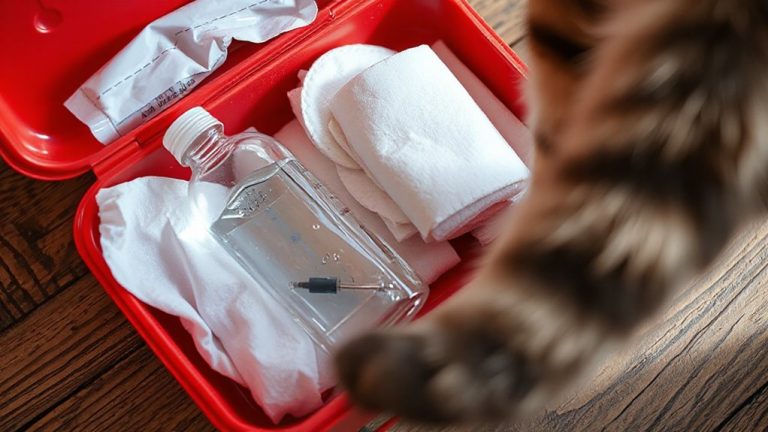
De-icing salts pose a real threat to your pet’s paws. These granular compounds, typically composed of sodium chloride, calcium chloride, or magnesium chloride, attract and retain moisture. When your pet walks on treated surfaces, the salts dissolve and form a brine that lingers between paw pads. This solution disrupts the skin’s natural lipid barrier, leading to dryness and increased permeability. Prolonged exposure causes chemical burns, visible as red, blistered, or cracked skin. The same corrosive action induces skin irritation, characterized by itching, swelling, and discomfort. Even low concentrations-below 5%-can trigger inflammation after repeated contact. Smaller pets are at greater risk due to lower body mass and shorter leg length, increasing brine exposure. De-icing agents remain active below freezing, extending harm beyond visible ice. You should assume all winter-treated surfaces are potentially damaging. Immediate action reduces tissue damage, but prevention is more effective. Using high-quality dog paw wipes can effectively remove residual salts and reduce the risk of irritation.
How to Clean Paws After Winter Walks
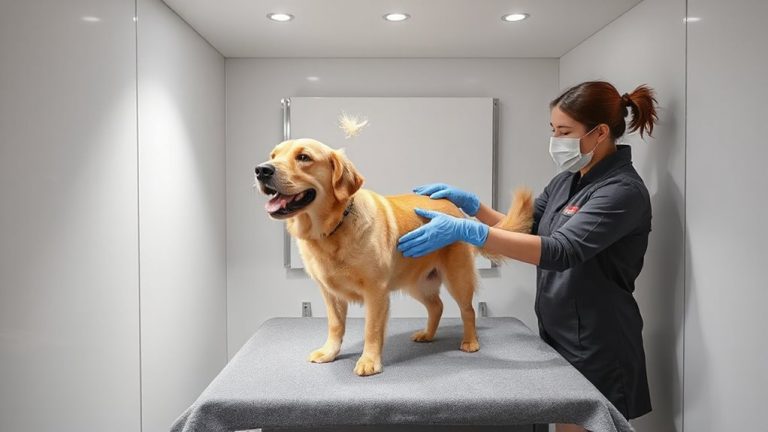
After every winter walk, especially on treated surfaces, rinsing your pet’s paws is essential to remove residue that can cause harm. Use lukewarm water (32–38°C) and a gentle stream from a handheld sprayer or sink faucet for 30–45 seconds per paw. Focus on interdigital spaces where salts accumulate. A microfiber washcloth dampened with water can assist in wiping between toes without abrasion. Consider walk timing: avoid peak salting hours (typically early morning and evening) to minimize exposure. Post-rinse, immediate paw drying is critical-use an absorbent towel and gently pat each paw for 15–20 seconds to prevent moisture retention that can lead to skin maceration. Damp fur trapped between pads promotes fungal growth and reduces insulation efficacy. Do not use hair dryers, as uneven heat can burn thin paw pads. Consistent post-walk hygiene reduces irritation and maintains dermal barrier function. For added convenience, especially in high-salt areas, consider using a dedicated dog paw cleaner that effectively removes debris and chemical residues.
Best Pet-Safe Moisturizers for Damaged Paws
Cracked paw pads demand targeted care to restore moisture and support natural healing. Use pet-safe moisturizers with ingredients like shea butter, coconut oil, or beeswax, which provide occlusive protection and promote tissue repair. These natural remedies lock in hydration and create a barrier against further environmental damage. Apply a thin layer twice daily, ensuring full absorption. For severe dryness, incorporate paw soaking into your routine-use warm water with a teaspoon of Epsom salt for 5–10 minutes to soften calluses and draw out irritants. Pat dry thoroughly before moisturizing to prevent microbial growth. Avoid products with added fragrances or parabens, which may cause irritation. Opt for vet-recommended brands with pH-balanced formulas, such as Musher’s Secret or Bag Balm, tested for dermal safety. Consistent use improves elasticity and reduces cracking within 7–14 days. For optimal results, choose from the top picks based on veterinarian reviews and dermatological testing.
Protect Paws: Boots, Balms, and Barriers
Why expose your pet’s paws to harsh winter chemicals when protection is within reach? Effective paw protection starts with choosing the right method. Salt barriers like balms create a hydrophobic layer, repelling moisture and chemicals. Boots offer physical shielding, while socks provide light coverage. Not all products perform equally-material, fit, and durability matter.
| Type | Material | Avg. Lifespan |
|---|---|---|
| Rubber Boots | Thermoplastic rubber | 2–3 months |
| Fabric Socks | Nylon-spandex blend | 1–2 months |
| Waxes | Beeswax + shea butter | 1 week* |
| Gels | Silicone-based polymer | 3 days* |
*With daily exposure and walks over 30 minutes.
Boots excel in icy conditions; balms suit short outings. Apply balm 15 minutes before walks for best salt barriers. Always check for wear, slipping, or irritation. Proper fit prevents blisters. Consistent use of paw protection reduces toxin exposure and tissue damage.
When to Call the Vet: Signs of Serious Damage
You’ve taken steps to shield your pet’s paws with boots, balms, or socks-each offering measurable defense against de-icing agents. Despite precautions, chemical exposure may still occur. Monitor for paw swelling, a sign of inflammation or chemical burn. Swelling often accompanies redness, heat, or tenderness. A limping gait suggests pain or injury, possibly from cracked pads or embedded ice melt crystals. Persistent limping for over 24 hours warrants evaluation. Deep fissures, bleeding, or ulceration require professional care. Veterinary intervention is critical if your pet shows signs of systemic toxicity-such as vomiting or lethargy-after licking paws. Do not delay treatment if swelling worsens or fails to respond to home rinsing with lukewarm water. Early diagnosis prevents secondary infection. Radiographs or dermal tests may be needed. Prompt vet consultation guarantees accurate assessment and restores paw integrity.
On a final note
You must clean your pet’s paws after exposure to de-icing salts immediately. Use lukewarm water and mild, pet-safe soap to remove chemical residues. Dry thoroughly, especially between toes, to prevent cracking. Apply a veterinarian-approved balm containing 5% shea butter or ceramides to restore moisture. Consider waterproof booties with non-slip soles rated for sub-zero temperatures. Persistent redness or lameness? Contact your vet within 24 hours.