Understanding the Impact of Diet on Skin pH Balance and Coat Condition
Your pet’s skin pH, between 5.5 and 7.5, relies on diet to maintain its protective acid mantle. Processed kibble degrades omega-3s at temperatures over 130°C, increasing pH and disrupting sebum balance. Omega-3s support cell membrane fluidity, while zinc and biotin aid keratin production and repair. High-glycemic carbs and artificial fillers promote *Malassezia* overgrowth. Whole foods like eggs and fatty fish provide bioavailable nutrients. Ideal pH supports gloss, resilience, and microbial balance-factors you’ll see reflected clearly in coat condition.
Notable Insights
- Skin pH between 5.5 and 7.5 maintains the acid mantle, protecting against pathogens and supporting coat health.
- Poor diet disrupts gut and skin microbiomes, increasing inflammation and altering skin pH.
- Food allergies to proteins like beef or dairy weaken the acid mantle and promote microbial overgrowth.
- Omega-3 fatty acids, zinc, and biotin are essential nutrients that support balanced skin pH and a healthy coat.
- Whole foods preserve skin pH and nutrient integrity, improving coat condition more effectively than processed diets.
What Skin pH Means for Your Pet’s Health
Your pet’s skin pH plays a critical role in maintaining a healthy barrier against environmental pathogens and irritants. A balanced pH-typically between 5.5 and 7.5 for most pets-prevents microbial imbalance by limiting harmful bacterial and fungal overgrowth. When pH shifts too high or too low, the skin’s acid mantle weakens, increasing permeability to allergens and toxins. This disruption directly contributes to skin irritation, redness, and discomfort. A compromised barrier also reduces the skin’s ability to retain moisture, leading to dryness and flaking. Microbial imbalance often follows, favoring organisms like *Malassezia* and *Staphylococcus*, which thrive in altered pH environments. You’ll notice symptoms such as itching, odor, and recurrent infections. Maintaining proper pH stabilizes the cutaneous ecosystem. It supports native microbiota while inhibiting pathogens. Proper pH isn’t just protective-it’s foundational to long-term skin integrity and coat health.
How Your Pet’s Diet Affects Skin pH
How might what’s in your pet’s bowl influence the chemistry of their skin? Your pet’s diet directly impacts their skin pH and overall dermal health. Poor nutrition can disrupt the gut microbiome, increasing susceptibility to inflammation and skin imbalances. When food allergies occur-often to proteins like beef or dairy-the immune system reacts, altering skin pH and weakening the protective acid mantle. This shift creates an environment prone to infections and irritation. A balanced diet supports a stable gut microbiome, which in turn helps maintain ideal skin pH (typically 5.5–7.5 in dogs). Below are dietary factors affecting skin pH:
| Factor | Effect on Skin pH | Associated Risk |
|---|---|---|
| High-processed carbs | Increases pH | Yeast overgrowth |
| Food allergies | Disrupts acid mantle | Dermatitis, itching |
| Poor protein quality | Alters microbial balance | Dry, flaky skin |
| Balanced nutrition | Maintains pH ~6.2 | Healthy coat, resilience |
Omega-3s, Zinc, and Biotin: Nutrients That Balance Skin
Nutrients like omega-3 fatty acids, zinc, and biotin play distinct roles in regulating your pet’s skin pH and strengthening the dermal barrier. Omega-3s provide fatty acid support that reduces inflammation and maintains sebum composition, directly influencing skin acidity. These essential fats integrate into cell membranes, improving fluidity and signaling. Zinc enables proper immune function and supports enzymatic reactions involved in skin repair. It also enhances mineral absorption, ensuring other nutrients contribute effectively to epidermal health. Biotin, a B-vitamin, aids keratin production-critical for coat strength and integrity. Pets deficient in biotin often develop dry, flaky skin due to impaired lipid synthesis. Together, these nutrients stabilize the skin’s acid mantle, typically maintained at pH 5.5–7.5 in dogs. Ideal balance reduces microbial overgrowth and strengthens resilience against environmental stressors. Supplementation studies show up to 30% improvement in coat gloss and hydration within eight weeks. High-quality omega supplements for pets can significantly enhance the bioavailability of these essential fatty acids.
Foods That Ruin pH and Dull Your Pet’s Coat
A pet’s coat reflects the internal balance of its skin pH, and certain foods disrupt this equilibrium. Processed treats and artificial fillers alter acid-base levels, weakening the skin barrier. These ingredients promote inflammation, leading to dryness and a dull coat.
| Food Type | pH Impact | Coat Effect |
|---|---|---|
| Processed treats | Lowers skin pH | Flaky, brittle fur |
| Artificial fillers | Disrupts balance | Dull, lifeless shine |
| Grains with additives | Alters lipid levels | Increased shedding |
High-glycemic carbohydrates in processed treats spike insulin, increasing sebum acidity. Artificial fillers lack nutritional value and ferment in the gut, releasing byproducts that circulate systemically. This metabolic stress impairs keratin structure. Chronic consumption leads to suboptimal epidermal turnover. Avoid these to maintain dermal integrity and luster.
Swap Kibble for Whole Foods to Boost Shine
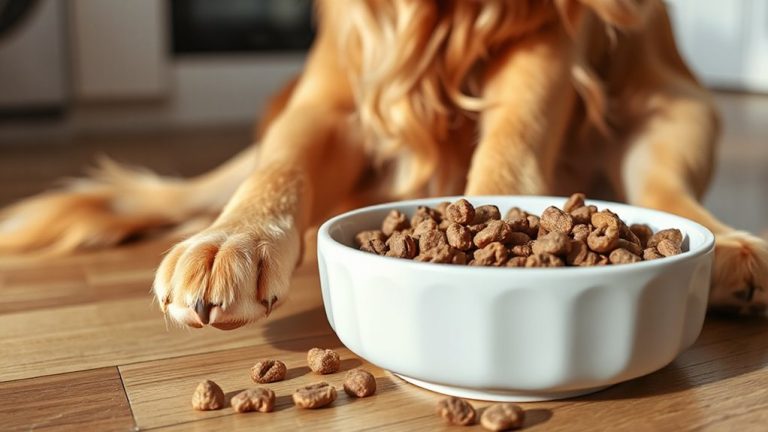
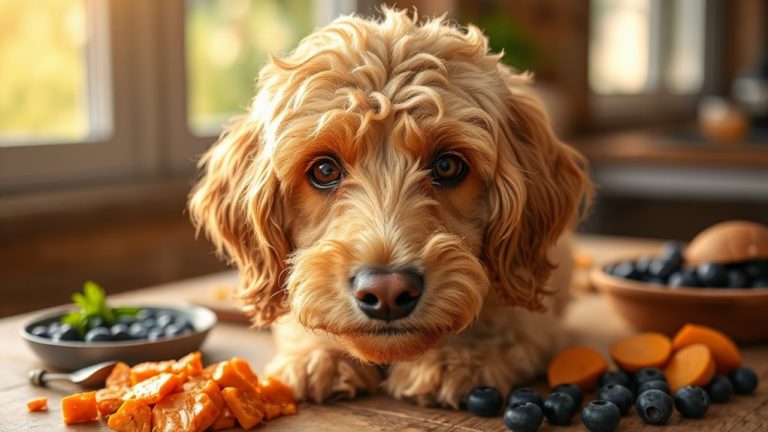
While kibble offers convenience, it often fails to preserve the delicate acid mantle essential for a vibrant coat. You’re better off swapping kibble for whole foods to boost shine. Whole food benefits include naturally occurring enzymes and cofactors missing in processed diets. These support ideal skin pH, typically ranging from 5.5 to 7.0 in dogs and cats. Fresh ingredients like leafy greens, eggs, and fatty fish enhance nutrient absorption due to their bioavailable forms of vitamins A, E, and omega-3s. Unlike kibble, which can degrade these nutrients during extrusion at temperatures exceeding 130°C, whole foods retain nutritional integrity. Improved nutrient absorption directly correlates with sebum production and coat luster. A diet rich in unprocessed foods balances microbiome health and strengthens the skin barrier. You’ll notice reduced flaking and increased gloss within 4–6 weeks. Think of it as upgrading from processed fuel to premium-grade nutrition-your pet’s coat responds exactly like a high-performance engine.
On a final note
You control your pet’s skin pH and coat health through diet. Balanced skin pH ranges from 5.5 to 7.5, depending on species. Omega-3 fatty acids reduce inflammation and support lipid barriers. Zinc aids epidermal turnover; biotin strengthens keratin. Avoid kibble high in cereals-60% grain content can alkalize skin, inviting infection. Whole foods like salmon, eggs, and leafy greens provide precise nutrient profiles. These deliver measurable improvements in coat sheen and dermal resilience.