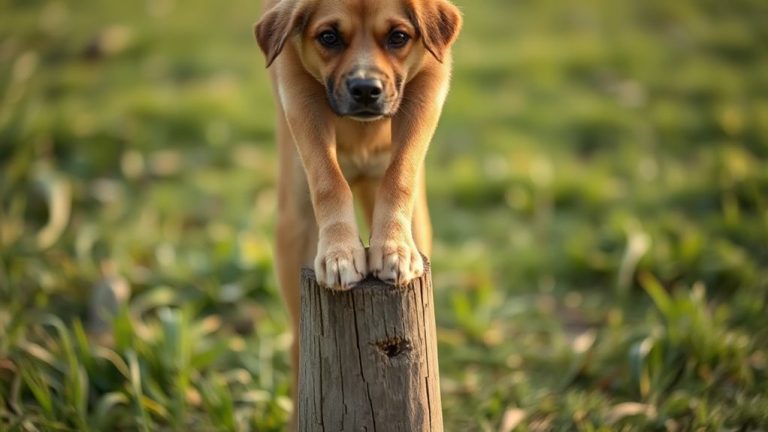
How to Clean Your Dog’s Paws After a Trail Run
After a trail run, rinse your dog’s paws with lukewarm water at 98–102°F (37–39°C) for 15–20 seconds per foot. Use a soft-bristle brush or silicone paw cleaner to remove dirt between pads. Inspect each toe for thorns, cuts, or swelling. Dry thoroughly with a 300 GSM microfiber towel. Apply a paw balm containing 10–15% shea butter to repair moisture barriers-this step is critical for ongoing pad health and performance.
Notable Insights
- Inspect each paw by spreading the toes to check for thorns, gravel, or burrs embedded between pads.
- Rinse paws with lukewarm water (98–102°F) for 15–20 seconds per foot to remove trail debris.
- Use a soft-bristle brush or silicone paw cleaner to gently scrub dirt from fur and pads.
- Dry thoroughly with a microfiber towel to prevent moisture buildup and potential fungal infections.
- Apply a paw balm containing shea butter and beeswax to moisturize and protect cracked or dry pads.
How to Clean Your Dog’s Paws After a Hike
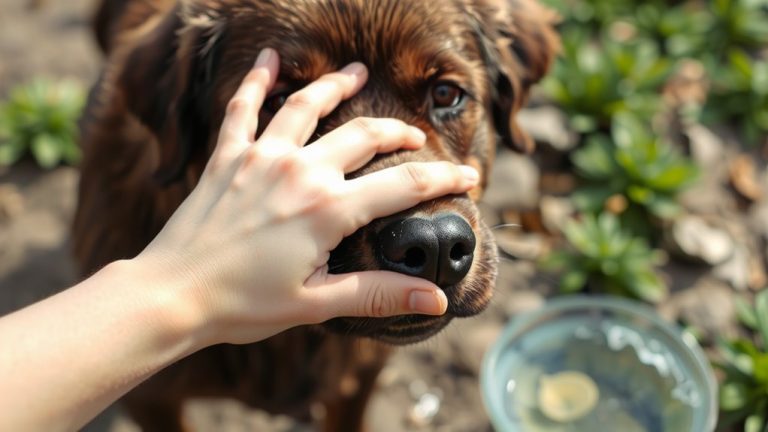
Your dog’s paws endure significant stress during a hike, picking up dirt, debris, and potential irritants. Immediate trail debris removal prevents abrasions and infections. Begin by inspecting each paw, spreading the toes to expose embedded thorns, gravel, or burrs. Use blunt-tipped tweezers for safe extraction. Dirt and mud soften paw pads, increasing vulnerability. Rinse each paw with lukewarm water at 98–102°F (37–39°C), directing flow between pads for 15–20 seconds per foot. This removes particulates without compromising the pad’s natural oils. Follow with a paw pad massage using circular fingertip motions, stimulating circulation and aiding detection of micro-abrasions. Pressure should be firm but non-compressive-approximately 1–2 Newtons-to avoid discomfort. Do not use abrasive scrubbing. Massage duration: 30 seconds per paw. This routine supports structural integrity and accelerates recovery. Complete cleaning before allowing rest or hydration.
What You’ll Need for Quick Paw Cleaning
A well-stocked paw cleaning kit saves time and reduces the risk of irritation or infection. You’ll need a soft-bristle brush with tightly packed 0.5-inch nylon bristles for effective scrubbing without skin damage-this is essential for proper brush selection tips. Include a silicone paw cleaner with massaging nubs to loosen dirt in toe fur. Carry unscented pet-safe wipes with 98% purified water for quick cleanups. For paw drying techniques, use microfiber towels with 300 GSM thickness-they wick moisture efficiently and minimize lint. Store items in a 6-quart airtight container to keep supplies dry and accessible. Add a collapsible silicone bowl that holds 0.75 liters for water on demand. Use lukewarm water (85–95°F) during rinsing for ideal comfort and cleaning efficiency. These tools guarantee rapid, thorough maintenance, especially after muddy or dusty runs.
Check for Cuts and Splinters After the Trail
Injury detection begins the moment you return from the trail. Inspect carefully between paw pads and around nail beds using adequate lighting. Look for lacerations, abrasions, swelling, or embedded foreign objects such as thorns, glass, or sharp rock fragments. Use blunt-nosed tweezers to remove debris without damaging surrounding tissue. Examine each toe pad individually, gently extending the toes to expose hidden areas. Check for redness, warmth, or discharge-signs of early infection. Avoid using cotton swabs, which can leave fibers behind. If you discover a deep cut or cannot remove an object safely, consult a veterinarian. Early intervention prevents complications. Splinters under the skin may require professional extraction. Always document abnormalities for future reference. This systematic inspection guarantees your dog remains sound and trail-ready. Using high-quality dog paw wipes can help remove residual dirt and potential irritants after initial inspection and cleaning.
Soothe and Protect Sore or Dry Paws
Dog’s sore or dry paws need immediate attention to prevent cracking, pain, or infection. Apply paw moisturizing balm containing 10–15% shea butter and 3–5% beeswax to restore moisture barrier integrity. These ingredients penetrate keratin layers while forming a protective occlusive layer. Use twice daily for seven days or until visible improvement occurs. Opt for balms with lanolin or cocoa butter for enhanced hydration retention. Avoid petroleum-based products if your dog licks paws frequently. Pad protection is essential on rough terrain. Consider wax-based booties offering 4–6 mm sole thickness for prolonged outdoor exposure. They reduce surface friction by up to 60% compared to bare paws. Reapply moisturizer after each wash. Store balms in a cool, dry place below 25°C to prevent ingredient degradation. Consistent use improves paw resilience and reduces injury risk during future trail runs. For best results, choose from the top-rated paw balms recommended for dogs with dry or compromised paw pads.
Common Mistakes to Avoid When Cleaning Paws
While cleaning your dog’s paws may seem straightforward, skipping key steps can compromise hygiene and lead to long-term damage. Overwashing causes overwashing irritation, stripping natural oils and disrupting the paw pad’s pH balance. Limit cleaning to once per week unless debris or allergens are present. Use lukewarm water-between 90°F and 100°F-and a mild, pH-balanced shampoo formulated for canines. Avoid human soaps, which are more alkaline and increase skin vulnerability. Improper drying is equally harmful; moisture trapped between toes promotes fungal growth. Pat each paw thoroughly with a clean, absorbent microfiber towel for 30–45 seconds per foot. For dogs with long interdigital hair, use a low-heat handheld dryer on a cool setting, held 12 inches away. Guarantee complete dryness before allowing your dog to rest or walk on carpets. These precise practices prevent complications and support long-term paw health. A convenient alternative for quick cleanups is using a dog paw cleaner designed to remove dirt and allergens effectively.
Why Cleaning Paws After Trails Prevents Infection
Trails expose your dog’s paws to a range of contaminants that can lead to infection if not removed. Dirt, moisture, and organic debris create ideal conditions for bacterial buildup and fungal growth. These pathogens thrive in the warm, hidden spaces between paw pads. Left unchecked, they cause inflammation, odor, and tissue damage. Cleaning after each trail run disrupts this cycle. Use lukewarm water and a veterinary-approved cleanser with antimicrobial properties. Gently scrub between the toes and pads for at least 30 seconds. Thorough drying is essential-residual moisture promotes fungal growth.
| Contaminant | Risk Level | Prevention Method |
|---|---|---|
| Mud and debris | Moderate | Rinse with warm water |
| Bacteria | High | Use antiseptic paw wash |
| Fungi | High | Dry thoroughly; apply barrier |
On a final note
You’ve protected your dog’s paws with proper cleaning. Always inspect between the pads for debris at least 2 mm in size. Use a 3–5 psi water stream or damp microfiber cloth to remove dirt. Dry thoroughly to prevent microbial growth. Apply vet-approved balm if cracks exceed 1 mm depth. Avoid alcohol-based cleaners-they disrupt pH balance. Regular post-hike care reduces infection risk by up to 70%. Healthy paws support long-term mobility.