Step-By-Step Guide to Brushing a Dog With a Curly Coat Like a Bichon Frise
Start by misting your Bichon’s coat with a detangling spray to reduce friction and preserve curl elasticity. Use a slicker brush with 0.5 mm bent wires on a flexible base to penetrate the dense undercoat, brushing in 2-inch sections. Immediately follow with a fine-tooth metal comb (1 mm and 2 mm spacing) to catch hidden mats. Focus on high-friction zones and work tangles from tip to root. A consistent routine every 2–3 days keeps the coat healthy-there’s more to optimizing this process effectively.
Notable Insights
- Use a slicker brush with fine, rounded wires and a flexible base to safely detangle curly fur without skin irritation.
- Mist the coat with a conditioning detangling spray to reduce friction and maintain curl elasticity before brushing.
- Divide the coat into 2-inch sections and brush systematically from neck to tail.
- Follow each slicker brush pass with a fine-tooth metal comb to catch hidden mats in the undercoat.
- Check high-friction areas daily with a fine comb and address tangles using a dematting tool if needed.
Choose the Best Brush for a Bichon’s Curly Coat
Every Bichon needs a brush that handles dense, tightly curled fur without causing breakage or discomfort. Your dog’s coat texture demands tools designed for resilience and precision. The best brush types combine fine, slightly spaced wire bristles with rounded tips to prevent skin irritation. A slicker brush with 0.5 mm wires set on a flexible base penetrates thick undercoats while lifting surface tangles. Pair it with a metal comb featuring dual tooth spacing-1 mm and 2 mm-to detect hidden mats. These tools align with the Bichon’s unique curl formation, which traps debris and locks in moisture. Use short, overlapping strokes from skin to surface. Bristle length should be 12–15 mm to reach the undercoat without scratching. Avoid plastic pins or wide-tooth combs alone-they slip over curls without detangling deep layers. Correct brush types preserve coat integrity and reduce grooming time by up to 40%.
Prep the Coat to Prevent Tangles
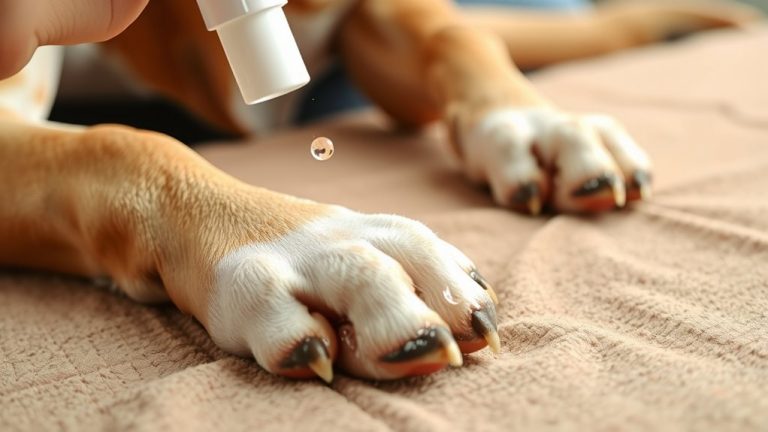
Your Bichon’s coat needs preparation before brushing to minimize tangles and protect curl integrity. Begin by misting the coat with a detangling spray-preferably one with conditioning agents-to reduce friction during grooming. The unique coat texture of a Bichon, composed of dense, tightly coiled curls, is prone to matting without proper hydration. Work the product evenly from roots to tips using your fingers, guaranteeing full coverage. Never brush a completely dry coat; light moisture helps preserve elasticity. After bathing, use a low-heat drying technique with a stand dryer to prevent frizz and structural damage. Hold the dryer at least 12 inches from the coat and fluff curls gently, section by section. Proper drying enhances volume and supports detangling. This prep phase guarantees the coat remains intact, tangle-free, and easier to manage during the next stage. For optimal results, choose one of the best pet detangling sprays that combine slip, conditioning, and coat protection.
Divide and Brush Each Section Thoroughly
Once the coat is properly dried and detangled, it’s time to systematically work through it in sections. Start at the neck and move backward, dividing the fur into 2-inch segments using your fingers or a parting comb. This method guarantees consistent coverage and reduces missed spots. Curly coats have a dense, springy coat texture that traps debris and tangles if brushed too quickly. Maintain a steady brushing rhythm-about one stroke per second-with firm, even pressure. Use a slicker brush with fine, bent wires spaced 1–2 mm apart to penetrate deep without damaging the skin. For each section, brush in the direction of growth, then re-brush at a slight angle to lift undercoat. Spend 10–15 seconds per section. This technique preserves curl integrity while guaranteeing thorough loosening of dead hair. Consistency in sectioning and rhythm prevents over-brushing and improves efficiency. For best results, incorporate a high-quality dog grooming comb to smooth the coat and remove any residual tangles after brushing.
Use a Two-Step Method to Avoid Mats
Because curly coats are prone to matting from trapped moisture and dead undercoat, using a two-step brushing method greatly reduces the risk of tangles while preserving coat health. Start with a slicker brush to loosen dead hair and perform initial detangling. Follow immediately with a fine-tooth metal comb to catch residual knots-this comb reaches deep into the undercoat, ensuring thorough mat prevention. This detangling technique targets both surface snarls and hidden tangles before they tighten. Consistency is key: perform this routine every 2–3 days to maintain coat integrity. For optimal results, incorporate best grooming tools into your routine to ensure a polished, healthy coat.
Find and Fix Any Missed Tangles
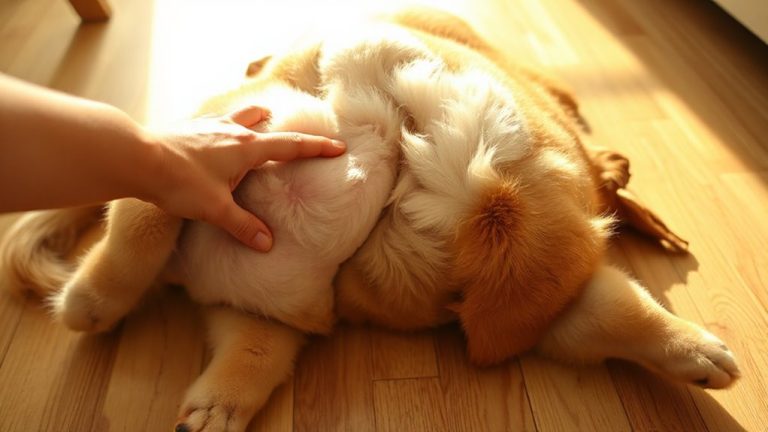
A small number of tangles often escape initial brushing, especially in high-friction areas like behind the ears, under the legs, and along the tail. Perform a thorough coat inspection using your fingers to part the fur, exposing the skin layer. Feel for resistance-this indicates hidden tangles. Address them immediately with early intervention to prevent matting. Use a fine-tooth comb (0.8–1.2 mm spacing) to isolate each tangle. Work from the tip toward the root to minimize pulling. Apply a detangling spray with pH-balanced, leave-in conditioning agents (e.g., oat-based or silk amino acids). For compact knots, carefully use dematting tools with rotating blades (1.5 cm diameter) set on low speed. Avoid cutting with scissors-risk of skin injury is high. Complete inspection in sections, ensuring 100% coverage. Residual tangles compromise coat integrity and invite moisture retention, increasing risk of dermatitis.
Make Brushing a Positive Experience for Your Dog
Starting brushing sessions with calm, deliberate movements helps your dog associate grooming with safety and care. Use positive reinforcement immediately after cooperative behavior-offer small treats or quiet praise to strengthen desired responses. This method increases compliance over time, making future sessions more efficient. Keep sessions short, ideally 5–10 minutes, to prevent fatigue and stress. A slicker brush with fine, bent wire bristles (approximately 0.3 mm diameter) worked in 1-inch sections prevents skin irritation while detangling dense curls. Perform strokes parallel to the skin, lifting mats gently without pulling. Turn grooming into bonding time by maintaining quiet, consistent contact and speaking in low, soothing tones. Monitor body language-pricked ears and relaxed posture indicate comfort; tucked tails or licking lips signal stress. Repeat sessions every 2–3 days to condition your dog to routine, reducing anxiety and promoting coat health.
On a final note
Brushing your Bichon’s curly coat weekly prevents mats and maintains skin health. Use a pin brush with rounded tips and a stainless steel comb with 0.08-inch spaced tines. Start at the skin, lifting curls gently. Detangle with vertical strokes, then smooth with horizontal passes. Always brush clean, dry fur in sections. A matte-free coat reflects proper grooming technique and tool precision.