How to Add Eye Flush Solutions to Your Pet Emergency Kit
Add a 15–30 mL single-use vial of sterile, isotonic saline (290–310 mOsm/kg, pH 7.0–7.4) to your pet emergency kit for immediate ocular irrigation. Choose preservative-free, FDA-registered formulas like Vetericyn or OptiGent. Store in a rigid, UV-resistant container at 50–77°F (10–25°C), labeled with expiration date. Guarantee retrieval in under 10 seconds. Pair with non-adhesive pads and tweezers. This guarantees rapid, safe decontamination without corneal damage or pressure spikes. Proper selection and placement means you’re prepared for the next critical step.
Notable Insights
- Choose a sterile, isotonic, preservative-free eye flush with pH 6.5–7.5 for safe pet use.
- Select single-use 15–30 mL saline vials to ensure sterility and proper irrigation volume.
- Store the solution in a labeled, rigid container at 50–77°F, away from light and moisture.
- Place the eye flush in an easily accessible spot, retrievable in under 10 seconds during emergencies.
- Pair with tweezers, lubricating drops, and a first aid kit; check contents every six months.
Treat Eye Irritation Fast With a Pet Eye Flush
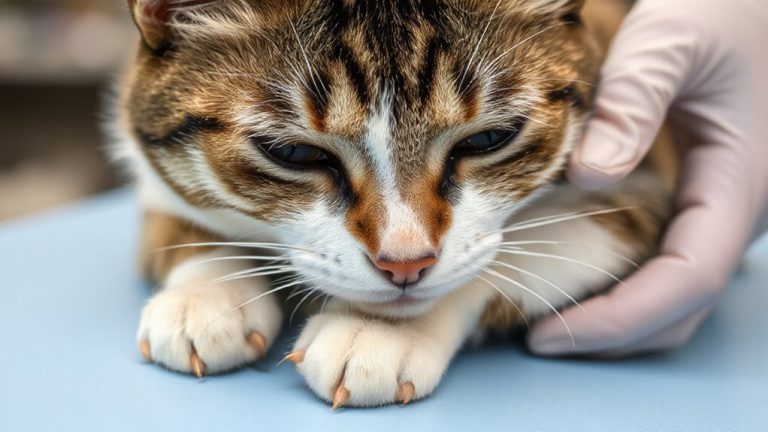
Why wait when your pet’s eyes are red, watery, or inflamed? Immediate action supports pet safety and effective emergency preparedness. A pet eye flush quickly removes foreign particles, allergens, and irritants. Most veterinary-approved solutions deliver 15–30 mL per application, irrigating the ocular surface without causing intraocular pressure spikes. Solutions should be isotonic (290–310 mOsm/kg) and pH-balanced (6.5–7.5) to minimize discomfort and corneal damage. Preservative-free formulas reduce allergic reactions during repeated use. Flush nozzles are designed for precise targeting, limiting cross-contamination. The process takes under 60 seconds per eye, providing rapid symptom relief. Early irrigation can prevent ulcers, conjunctivitis, or vision loss. Keep an unexpired eye flush in your pet emergency kit-at least one 60 mL unit per pet. This simple step guarantees fast response during outdoor accidents or chemical exposures. Preparedness isn’t reactive-it’s preventive. Treat irritation promptly. Protect ocular health.
Pick the Best Eye Flush for Dogs and Cats
You’ve seen how fast action with a pet eye flush can protect your dog or cat from lasting eye damage. Choosing solutions requires attention to pH and osmolarity. Ideal eye flush/s mimic natural tears, with a pH between 6.5 and 7.5 and osmolality of 280–310 mOsm/L. Avoid products with preservatives like BAK, which can irritate sensitive tissues. Instead, select sterile, isotonic formulas in single-use vials or preservative-free multidose bottles. Comparing brands, look for FDA-registered veterinary products-such as Vetericyn, OptiGent, or Eye Flush for Pets-each proven in clinical trials to clear debris and neutralize pH. Confirm packaging specifies safety for dogs and cats, as some ingredients, like naphazoline, are unsafe for felines. Volume matters: 15–30 mL per dose guarantees proper irrigation. Always check expiration dates and storage requirements to maintain solution integrity.
Use Eye Flush Correctly in Emergencies
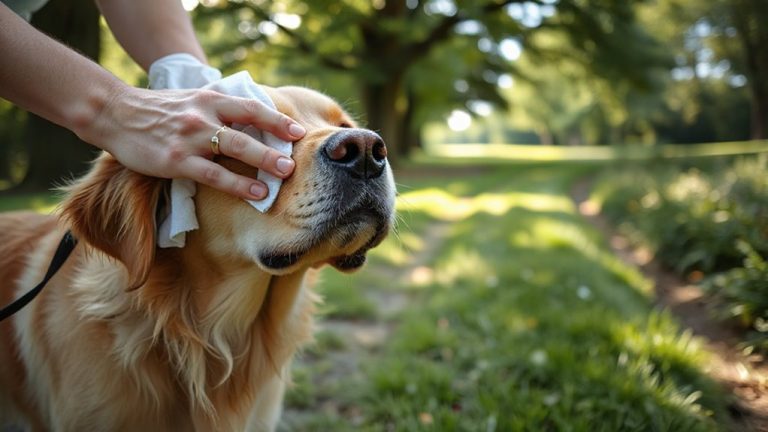
How quickly can you respond when your pet gets something in their eye? Immediate relief depends on using the eye flush correctly. Tilt your pet’s head sideways, stabilize their skull, and pull the eyelid gently outward. Position the nozzle 1–2 inches from the eye. Squeeze the solution steadily for 15–30 seconds, guaranteeing full coverage. The proper technique requires flushing from inner to outer canthus to push debris away from the nasal duct. Use isotonic, preservative-free saline with a pH of 7.0–7.4 to avoid irritation. The solution should flow freely without pressure to prevent corneal damage. Most commercial eye flushes deliver 15–30 mL per application-enough to dilute irritants effectively. Do not touch the eye with the nozzle. Repeat if necessary, but seek veterinary care after initial use. Proper technique guarantees effective cleansing and reduces complications during emergencies.
Keep Eye Flush Where You Can Find It
Having the right technique matters, but only if you can access the eye flush when every second counts. Storage accessibility is critical-store the solution in a rigid, labeled container with a transparent panel for quick identification. The ideal quick location is a dedicated compartment in your pet’s travel carrier or main household first aid kit, positioned within arm’s reach of high-traffic areas like the garage or kitchen. Guarantee ambient temperatures remain between 50–77°F (10–25°C) to preserve solution sterility. Use opaque, UV-resistant bottles to prevent light degradation, and confirm the seal integrity annually. Each unit should contain at least 15 mL of sterile, isotonic saline (0.9% NaCl), pH-balanced to 7.4. Label expiration dates clearly. In emergencies, retrieval should take less than 10 seconds. Poor storage accessibility directly delays treatment and increases risk of corneal damage.
Build a Pet First Aid Kit Around Eye Care
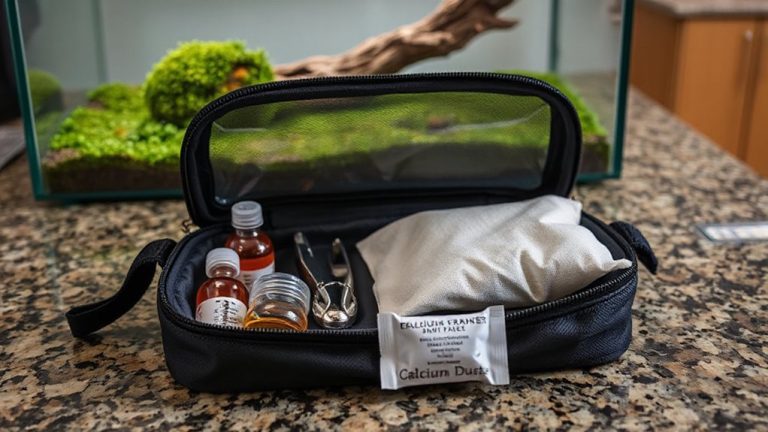
Start with the eyes in mind when assembling a pet first aid kit-they’re among the most vulnerable organs yet often overlooked in emergency preparedness. Understanding basic eye anatomy helps you respond effectively. The cornea, conjunctiva, and tear ducts are sensitive to irritants and trauma. Include a sterile, isotonic eye flush solution (pH-balanced to 7.4) in a 15–30 mL single-use container to minimize contamination. Pair it with preservative-free lubricating drops for dryness or mild abrasions. Add tweezer-style eyelash removers and a 1-inch non-adhesive pad for shielding. These tools support injury prevention by enabling prompt, correct response. Guarantee all items are sealed, labeled, and stored in a cool, dark compartment. Recheck contents every six months. A well-designed eye care kit improves response time and reduces complications. You’re not just treating symptoms-you’re protecting vision. For added preparedness, include a Top Pet First Aid Kit that integrates eye care essentials with broader emergency supplies.
Know When to Call the Vet After Flushing
Why assume the problem’s resolved just because the eye looks cleaner? Flushing removes debris, but doesn’t heal underlying damage. Monitor your pet closely post-flush. If you notice redness, swelling, or discharge, these are signs of infection requiring veterinary diagnosis. Persistent squinting or rubbing indicates severe pain, possibly from corneal abrasions or ulcers. Animals in discomfort may withdraw or act aggressively. Even with proper irrigation, chemicals like alkalis can penetrate ocular tissue, causing delayed damage. Do not wait. Contact your vet immediately if symptoms persist beyond 30 minutes post-flush. Untreated trauma risks permanent vision loss. Professional evaluation includes fluorescein staining to detect micro-lesions. Topical antibiotics may be needed. Early intervention improves outcomes markedly. Your prompt action supports recovery-but only when combined with expert care.
Practice Eye Emergency Response Now
If you wait until an eye injury happens to figure out your response, you’re already behind. Practice drills improve response timing and reduce panic during real emergencies. Conduct monthly simulations using saline solution and a dummy applicator. Position your pet as you would in an actual incident-secure but calm. Time each drill; aim to initiate flushing within 15 seconds of simulated injury. Real incidents demand rapid action: irreversible damage can occur in as little as 30 seconds with chemical exposure. Use a stopwatch to measure response timing and log results. Train all household members. Standardize technique with a labeled eye flush station in your kit. Include isotonic buffered saline (pH 7.4), sterile packaging, and a 15–30 mL single-use vial. Flush for minimum 5 full minutes at 2–3 drops per second. Consistent practice drills guarantee accurate, efficient treatment when it truly matters.
On a final note
You need eye flush solutions in your pet emergency kit. They rinse debris and irritants with sterile, pH-balanced saline-typically 0.9% sodium chloride solution. Use single-dose vials (5–10 mL) to avoid contamination. Flush gently for 30 seconds per eye. Effective for dust, pollen, or chemical exposure. However, persistent redness or discharge requires veterinary care. Store the solution in a sealed, labeled compartment at room temperature.