How to Add Emergency Pet Dental Care Tools to Your Disaster Kit
Add sterile gauze pads (2” x 2”), veterinary dental splinting material, and 0.12% chlorhexidine solution to your disaster kit. These control bleeding, stabilize fractured teeth, and prevent infection. Include a digital dental mirror, blunt-tipped tweezers, and antiseptic wipes for accurate assessment and debris removal. Store all items in an airtight, labeled container. Check supplies every six months. Use a cold pack at 40°F to reduce swelling. Further details clarify best response strategies.
Notable Insights
- Include sterile gauze pads to control bleeding and protect exposed tooth pulp during dental emergencies.
- Add a veterinary dental splinting material to temporarily stabilize fractured or loose teeth.
- Pack a digital dental mirror and LED penlight for accurate trauma assessment in low-light conditions.
- Store 0.12% chlorhexidine solution and antiseptic wipes to disinfect injuries and prevent infection.
- Keep a waterproof medical card with vet contacts, insurance ID, and dental trauma history in the kit.
What Causes Pet Dental Emergencies?
While your pet’s dental health might not be top of mind, sudden dental emergencies can arise from everyday wear and trauma. Trauma impact, such as blunt force from collisions or falls, can fracture teeth or dislodge them entirely. Canine and feline teeth are designed for high bite force, but not for absorbing sudden external shock. Fractures expose pulp tissue, increasing infection risk. A foreign object, like bones, wood, or fibers, often lodges between teeth or under gums, causing lacerations or impaction. These objects introduce bacteria and restrict blood flow, accelerating tissue necrosis. Chew toys made of inappropriate materials-over 70 Shore A hardness-may also contribute to enamel wear or breakage. Sharp-edged or rigid items increase trauma impact severity. Dental injuries occur without warning, making understanding of causes critical. Immediate intervention limits complications. Prevention includes monitoring chew toys and inspecting oral cavities weekly for embedded foreign objects. Choosing the right chew toys can significantly reduce dental trauma, and opting for those approved by veterinary dentists, such as best dental care products, supports long-term oral health.
Signs Your Pet Needs Dental Help Now
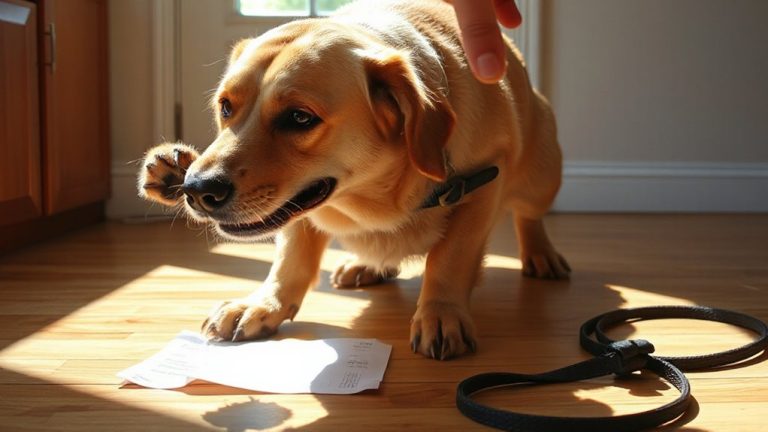
What should you do when your pet suddenly stops eating or starts pawing at its mouth? These are urgent signs your pet needs dental help now. Swollen gums indicate infection or periodontal disease, often accompanied by redness, bleeding, or bad breath. Left untreated, this can lead to tooth loss or systemic illness. A broken tooth exposes sensitive dentin or pulp, causing sharp pain and risking abscess formation. You might notice drooling, head tilting, or refusing hard food. Unlike hairline cracks, a full fracture reveals underlying layers and requires immediate veterinary intervention. Pets can’t vocalize dental pain like humans, so behavioral changes are key indicators. Persistent chewing on one side, irritability, or vocalizing while eating also signal distress. Do not wait-delay worsens outcomes. Assess gently, but avoid probing the area. These symptoms demand professional diagnosis. Quick recognition of swollen gums or a broken tooth improves prognosis markedly. Immediate care prevents complications and reduces treatment complexity later.
Must-Have Tools for a Pet Dental Emergency Kit
In a pet dental emergency, having the right tools ready can make a critical difference. You need supplies to manage dental trauma and stabilize broken teeth until professional care is available. Include a pack of sterile gauze pads (2-inch by 2-inch) to control bleeding and protect exposed pulp. Add a veterinary dental splinting material, such as light-cured composite resin with bonding agent, to temporarily secure loose fragments. Carry a digital dental mirror (1-inch diameter, 6x magnification) for accurate assessment. Include blunt-tipped tweezers (4.5 inches long) and curved hemostats to handle debris safely. A vial of 0.12% chlorhexidine solution (30 mL) helps reduce oral bacteria. Pair these with a cold pack rated for 20 minutes of consistent 40°F cooling to minimize swelling. These tools guarantee immediate, effective response to dental trauma.
How to Use Pet Dental Supplies in a Crisis
You now have the tools; the next step is knowing how to use them effectively when seconds count. Immediate intervention supports pain management and infection prevention. Use gauze pads (2 in × 2 in) to apply gentle pressure-control bleeding within 3–5 minutes. For fractures, stabilize with a dental repair kit containing temporary filling material that sets in 2–3 minutes under moisture.
| Tool | Use Case |
|---|---|
| LED penlight | Inspect oral trauma in low light (120 lumens, 6-hour battery) |
| Antiseptic wipes | Clean wounds; proven 99.9% germ kill in 30 sec |
| Pain relief gel | Topical anesthetic (benzocaine 20%) for temporary pain management |
Apply antiseptic wipes before handling injuries. Use pain relief gel sparingly-only on affected areas. Proper technique guarantees infection prevention.
Keep Your Pet Dental Emergency Kit Ready
While every minute counts during a dental emergency, having a well-stocked kit within reach guarantees you’re prepared to act. Store your pet dental emergency kit in an easily accessible location, such as a labeled, airtight container measuring 8” x 6” x 3”. Include items like sterile gauze pads (2” x 2”), a curved hemostat, saline solution, and a dental trauma adhesive approved for veterinary use. Check contents biannually to replace expired or damaged supplies. Enable emergency alerts on your phone to receive timely veterinary updates or recall notices. Register your pet with a reliable pet insurance plan-many cover unexpected dental traumas, reducing out-of-pocket costs by up to 80%. Confirm your policy includes coverage for oral injuries and pre-authorize claims if possible. Make certain your kit includes a waterproof card listing your pet’s medical history, insurance ID, and emergency vet contacts. Rotate perishables like antiseptic wipes every six months. Preparation ensures rapid, effective response when seconds matter. Consider including a pet dental care tech device such as a portable toothbrush or oral scanner for early detection and maintenance between emergencies.
On a final note
You must maintain your pet’s dental emergency kit regularly. Replace expired items annually; check seals on sterile gauze (2″ × 2″, non-woven, absorbent) every six months. Store tools in a waterproof, crush-resistant case (minimum 8″ × 6″ × 3″). Include a digital thermometer accurate to ±0.1°C. Verify LED flashlight functionality monthly. Preparedness equals response speed. Use gloves with ASTM D6319 standards. Your readiness directly impacts outcomes during crises.