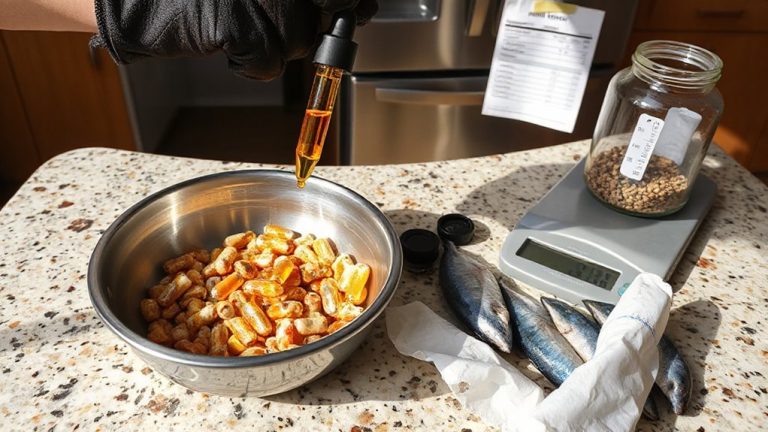
Understanding the Components of a Canine Geriatric Screening Exam
Your senior dog needs regular geriatric screening starting at age seven. This includes a complete blood count and serum chemistry panel to assess organ function, electrolytes, and blood glucose. Urinalysis checks urine specific gravity-healthy values are above 1.030-and screens for microalbuminuria, an early sign of kidney damage. Blood pressure monitoring detects hypertension, especially if systolic values exceed 150 mmHg, reducing risks to the kidneys and eyes. Thyroid testing with total T4 is recommended every six to twelve months. Biannual physical exams evaluate dental health, joint mobility, heart murmurs, and early signs of vision or hearing loss. Abdominal ultrasound or cardiac echocardiogram may be advised if abnormalities arise. Early detection through consistent screening supports timely intervention and better health outcomes over time.
Notable Insights
- Geriatric screening in dogs starts at age seven to detect age-related health issues before symptoms appear.
- Essential blood tests include CBC, serum chemistry, and thyroid testing to evaluate organ function and metabolic health.
- Urinalysis assesses kidney concentration ability and detects early signs of renal damage like microalbuminuria.
- Blood pressure monitoring identifies hypertension, which can cause organ damage if left untreated.
- Biannual physical exams and imaging evaluate joints, teeth, heart, eyes, and internal organs for early disease detection.
What Is a Canine Geriatric Screening?
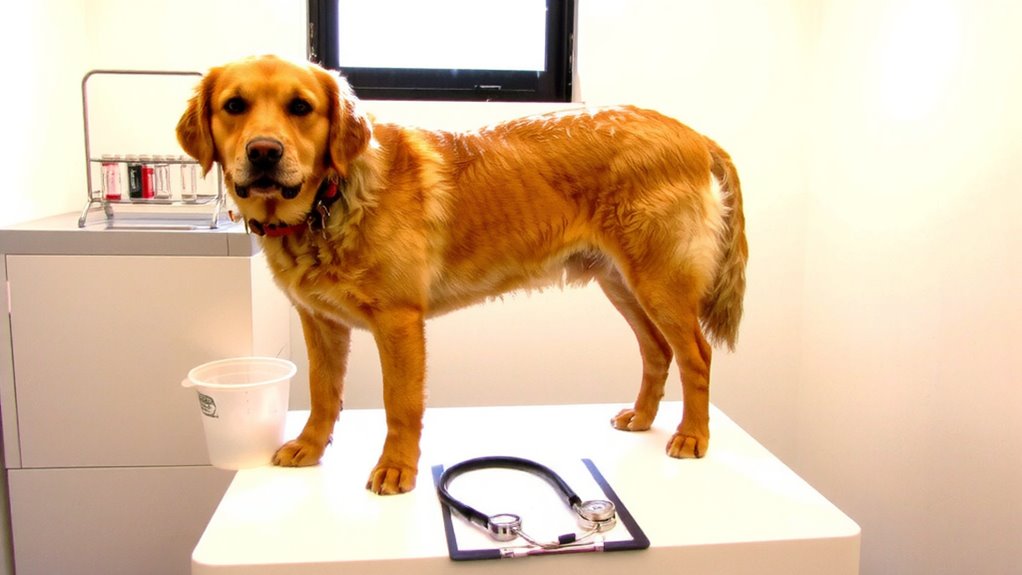
Why wait for symptoms to appear when you can catch health issues early? A canine geriatric screening is a proactive health assessment designed for older dogs, typically age seven and beyond, when age factors begin accelerating disease risks. You’re not just monitoring behavior-you’re tracking physiological changes tied to decreasing canine lifespan. These screenings include physical exams, weight monitoring, dental checks, and organ function evaluations. Veterinarians assess joint mobility, cognitive function, and detect early signs of chronic conditions like kidney disease or diabetes. Age factors such as reduced metabolism, weakened immunity, and declining organ efficiency are quantified using standardized clinical benchmarks. Early detection improves treatment outcomes. You’ll receive measurable data-blood pressure readings, body condition scores, reflex response times-that inform precise interventions. This isn’t guesswork. It’s structured, science-based prevention tailored to extend both the quality and length of your dog’s life through timely medical insight.
Blood Tests Every Senior Dog Needs
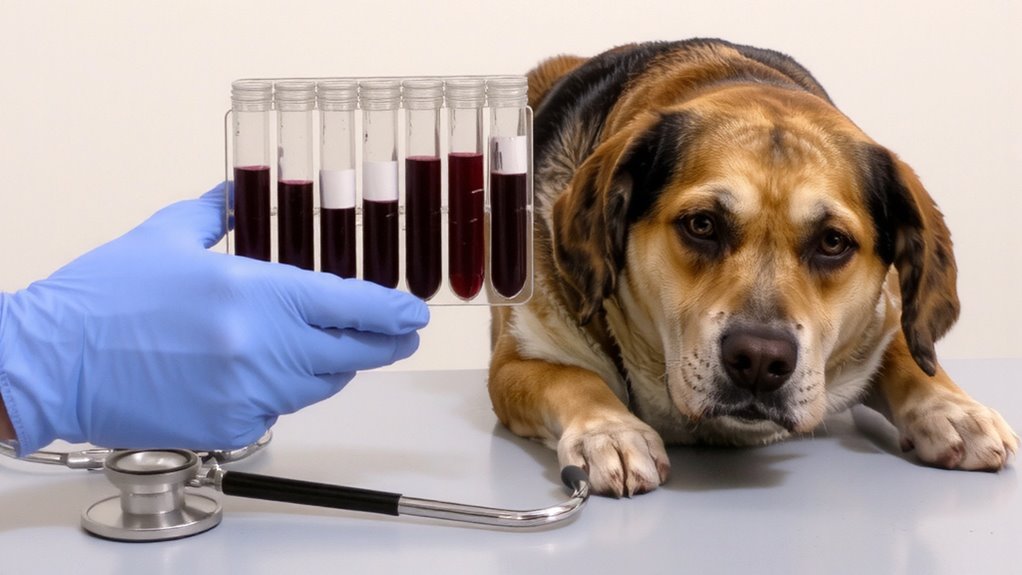
Most senior dogs need a core set of blood tests to detect hidden diseases before symptoms arise. A complete blood count (CBC) evaluates red and white blood cells, identifying anemia or infection. A serum chemistry panel measures electrolytes, blood glucose, and organ enzymes. These values help assess liver function by checking enzymes like ALT, ALP, and AST-elevations may signal inflammation or chronic disease. You’ll also want to monitor kidney values such as BUN and creatinine. Thyroid levels, specifically total T4, are essential; low levels often indicate hypothyroidism, common in older dogs. This condition slows metabolism and affects energy. Testing every six to twelve months provides trend data, improving early intervention. Combined, these tests offer a thorough metabolic snapshot. They detect conditions like liver dysfunction or hormonal imbalances long before clinical signs appear. Consistent screening supports timely treatment, helping maintain your dog’s health in later years.
Why Urinalysis Detects Kidney Disease Early
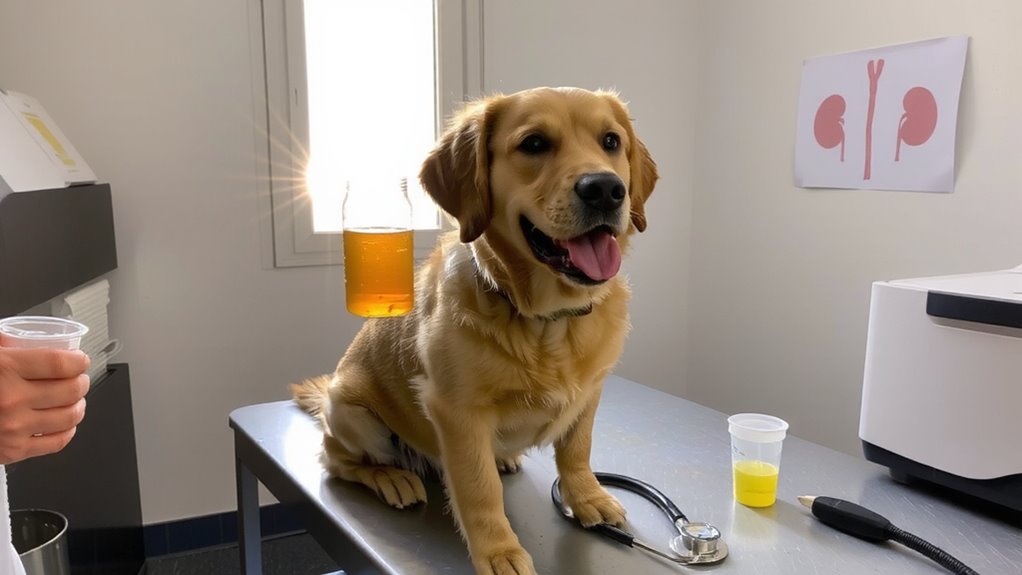
How does a simple urine sample reveal so much about your senior dog’s internal health? Urinalysis assesses renal function by measuring urine specific gravity, protein levels, and cellular debris. A healthy kidney concentrates urine, achieving a specific gravity above 1.030 in dogs. When renal function declines, the kidneys lose this ability, producing dilute urine-often the first sign of kidney disease. You’ll see this as consistently low specific gravity, even when your dog is dehydrated. The test also detects microalbuminuria, an indicator of glomerular damage, long before blood values like creatinine rise. This provides early detection essential for intervention. Elevated protein, glucose, or casts in the sediment point to structural kidney issues. Since clinical signs appear late, urinalysis acts like a diagnostic radar, identifying problems while kidney damage is still minimal. Regular screening supports timely management, slowing disease progression and extending quality life.
How Blood Pressure Screening Prevents Damage
Although internal organ damage can progress silently in senior dogs, measuring blood pressure provides a clear window into cardiovascular and renal health. You can detect hypertension early using Doppler or oscillometric devices, typically with systolic readings above 150 mmHg considered elevated. High blood pressure impairs blood flow, reducing oxygen delivery to essential organs. Chronic poor perfusion increases organ stress, particularly in the kidneys, eyes, and brain. Sustained hypertension damages delicate capillaries, accelerating glomerular injury and retinal detachment. By monitoring blood pressure every 6 months, you help prevent irreversible lesions. Normal diastolic values range from 80–100 mmHg; readings above indicate need for intervention. Antihypertensives like amlodipine or benazepril improve vascular resistance and restore adequate perfusion. Consistent screening supports timely treatment, preserving organ function and extending quality lifespan through regulated hemodynamics.
What Vets Check During a Senior Dog Physical
Why does your senior dog need a thorough physical every six months? Aging accelerates health changes, making biannual exams critical for early detection. Your vet evaluates body condition, coat quality, and essential signs.
| System Checked | What It Reveals |
|---|---|
| Eyes and Ears | Cataracts, glaucoma, or ear infections |
| Heart and Lungs | Arrhythmias, murmurs, or lung congestion |
| Abdominal organs | Organ enlargement or abdominal masses |
| Dental health | Gingivitis, tooth resorption, or infection |
| Joint mobility | Arthritis signs, stiffness, range of motion |
Dental health impacts systemic wellness; untreated infections can affect heart and kidneys. Reduced joint mobility often indicates osteoarthritis, confirmed through manipulation and gait analysis. Your vet assesses pain response and muscle atrophy. Neurologic function includes pupil reflexes and limb reflex testing. Skin and lymph nodes are palpated for lumps or inflammation. Each finding guides further screening. Early issues mean better management.
When Vets Recommend Imaging for Senior Dogs
When would your vet suggest imaging for your senior dog? If your dog shows signs of internal illness, your vet may recommend imaging to get a clearer diagnosis. An abdominal ultrasound uses high-frequency sound waves to create real-time images of your dog’s liver, kidneys, spleen, and other internal organs. It’s non-invasive and typically requires no sedation. Abnormalities like tumors, cysts, or organ enlargement often show up clearly on ultrasound. If heart disease is suspected, your vet may order a cardiac echocardiogram. This specialized ultrasound evaluates heart chamber size, valve function, and blood flow dynamics using Doppler technology. It measures ejection fraction and detects conditions like dilated cardiomyopathy or mitral valve disease. Both tests provide essential data that blood work alone can’t reveal. Imaging helps guide treatment plans and monitor disease progression over time-offering precise, actionable insights for your senior dog’s care.
How Often Should Senior Dogs Be Screened?
Your vet may suggest imaging based on symptoms or unusual bloodwork, but regular screening helps catch issues before signs appear. Screening frequency typically increases as dogs age, with most senior dogs needing exams every six months. Senior guidelines recommend this biannual schedule because aging accelerates physiological changes, increasing risks for chronic diseases like kidney failure, diabetes, and cancer. Early detection improves treatment outcomes and extends quality life. Annual screens may suffice for younger seniors, but dogs over 10 years benefit from semi-annual evaluations. Each exam should include a complete blood count, serum chemistry, urinalysis, blood pressure check, and thorough physical assessment. Dental, orthopedic, and cognitive evaluations are also essential. Consistent monitoring allows for timely intervention, reducing complications. Adhering to senior guidelines guarantees thorough care tailored to your dog’s evolving health needs.
On a final note
You need regular geriatric screenings to catch diseases early. These exams include blood tests measuring creatinine, BUN, and liver enzymes like ALT. Urinalysis checks specific gravity; values below 1.030 suggest kidney dysfunction. Blood pressure readings above 160 mmHg risk organ damage. Vets assess gait, dental health, and organ size. Imaging detects masses or joint degeneration. Screen every six months. Early detection improves outcomes markedly.